


Holistically Extracurricular Activities for Children: 8 Best Options for Skill Development
In an increasingly developed and diverse world, extracurricular activities for children not only help them develop personal skills and talents but also play an important role in shaping their character and comprehensive health. In this article, we will explore the importance of these activities, how to identify suitable subjects for children, and highlight some outstanding extracurricular activities that help children develop holistically.
1. The importance of extracurricular activities for children
Participating in extracurricular activities plays an essential role in the comprehensive development of children, profoundly affecting their physical, intellectual, and mental aspects. Extracurricular activities are not merely supplementary activities but also a foundation that helps children develop important skills and qualities.
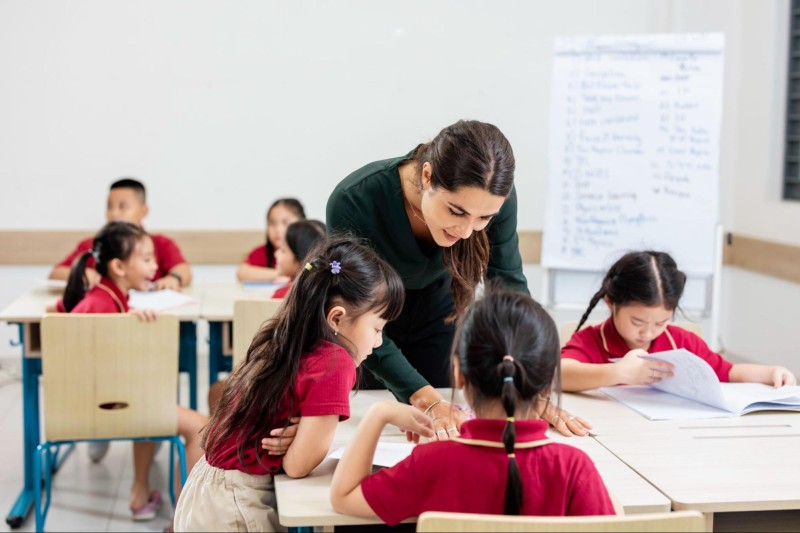
Extracurricular activities are the foundation for developing important skills and qualities
- Comprehensive physical, intellectual, and mental development: Extracurricular activities help children develop physically, intellectually, and mentally evenly. Participating in sports, arts, or music not only enhances health but also stimulates the mind and emotions, creating a solid foundation for comprehensive development.
- Fostering perseverance, confidence, and creativity: When children participate in extracurricular activities, they learn how to persevere to overcome challenges and build self-confidence. Activities such as drawing or sports encourage children to express their creativity and not give up when facing difficulties.
- Discovering and developing interests and talents: Experimenting with many extracurricular activities helps children discover their personal interests and talents. These activities can open up opportunities for children to develop long-term passions and find the fields that they truly love.
- Expanding social relationships: Extracurricular activities create opportunities for children to communicate and make friends with peers who share similar interests. Participating in classes or clubs helps children learn teamwork and build lasting social relationships.
2. How to identify a suitable talent for a child.
Identifying a suitable talent for a child is an important process, helping to ensure that children get to participate in activities that they truly love and have the ability to develop. Below are some steps to help parents find the right activities for their children.
2.1. Identifying aptitudes for children based on their interests.
The first step to identify an aptitude for a child is to observe the child's interests. Parents should pay attention to the activities that the child frequently cares about and shows interest in, such as the child liking to draw, play music, or participate in sports games. Clearly understanding the child's interests helps in selecting an aptitude subject suitable for the child's passion and natural abilities.
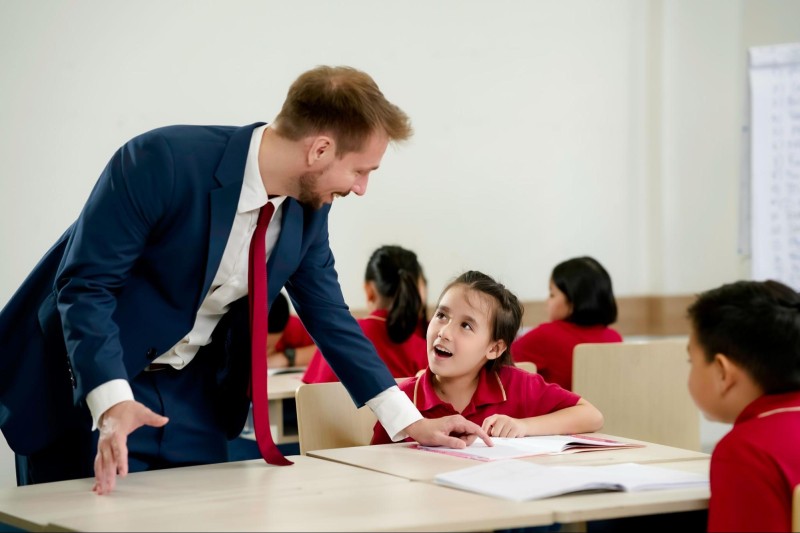
Observing a child's interests is an important step when identifying extracurricular activities for them
2.2. Create opportunities for children to experience a variety of subjects.
An effective way to find a suitable talent is to give children the opportunity to experience many different activities. Parents can register their children to participate in trial classes or clubs so that children can explore and evaluate their abilities as well as their love for each subject. This not only helps children recognize their own interests but also helps parents have a clearer view of which activities are most suitable for their children.
2.3. Consider family circumstances
It is important to consider factors related to family circumstances when choosing an aptitude subject for a child. Parents need to consider the time, cost, and available support to ensure that participating in the aptitude subject does not cause stress or a burden on the family. Choosing a subject suitable for practical conditions helps children maintain long-term participation and have a positive experience.
3. Common types of talents for children
When searching for extracurricular activities for children, there are many different types that parents can consider. Below are three common types of talents and the detailed benefits that they bring to the development of children:
3.1. Artistic Talent
Artistic talent includes activities such as drawing, dancing, and music. These subjects not only help children develop creativity and self-expression abilities but also support the development of fine skills such as hand-eye coordination, and perception of colors and shapes.
For example, learning to draw not only improves artistic skills but also helps children develop spatial thinking abilities and emotions. Participating in music classes helps children enhance their concentration abilities, memorization, and develop emotional intelligence.
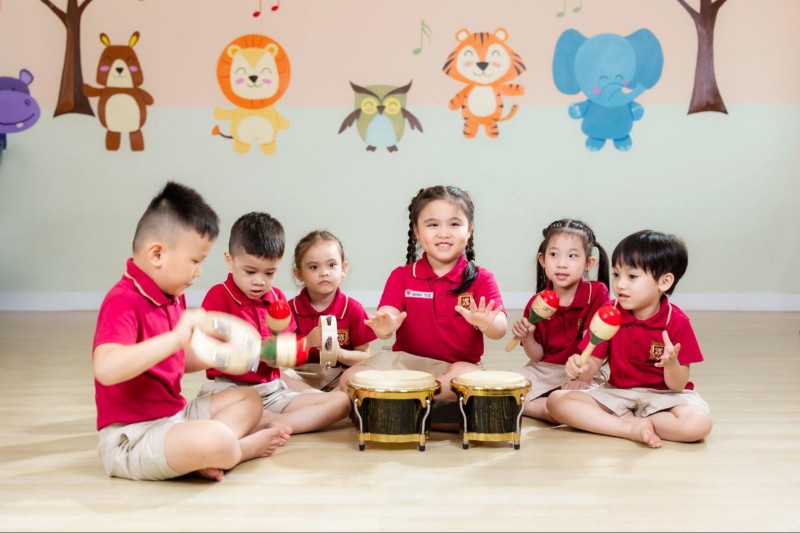
Artistic talents help children develop their sense of colors and shapes
3.2. Athletic Talent
Athletic talent includes sports such as football, swimming, and basketball. Sports help children improve physical health, develop muscle strength, flexibility, and coordination abilities. Participating in sports also helps children learn how to work in groups, communicate effectively, and build personal discipline. In addition, sports also help children reduce stress and improve their mood, contributing to positive mental development.
3.3. Intellectual aptitude
Intellectual aptitude opens up an exciting world for the cognitive development of children through activities such as chess, solving math problems, and other intellectual games. These subjects stimulate the brain, helping children develop logical thinking abilities, problem-solving, and analytical capabilities.
For example, playing chess not only helps children learn how to plan and strategize but also encourages critical thinking and patience. Other intellectual games such as solving crosswords or interactive logic games also promote creative intelligence and critical thinking abilities, while simultaneously enhancing memory and concentration.
4. 8+ extracurricular activities to help children develop comprehensively.
When choosing extracurricular activities for children, considering various options will help children develop comprehensively in physical, intellectual, and mental aspects. Below are 8 popular extracurricular activities to help children discover and develop their own skills and talents:
4.1. Drawing Aptitude Test
Drawing is a wonderful artistic activity that helps children develop creativity and self-expression abilities. Participating in drawing classes not only helps children improve their skills in color, shapes, and perspective but also encourages imagination and perception of the surrounding world. This is also a wonderful way for children to relax and reduce stress, while simultaneously building self-confidence through creating personal artworks.
4.2. Dance Aptitude Test
Dancing is not only a form of entertainment but also a subject that helps children develop flexibility, physical health, and coordination abilities. Dance classes help children train motor skills, improve rhythm, and learn how to express emotions through movement. Besides, performing in public also helps children become more confident and learn how to work effectively in a team.
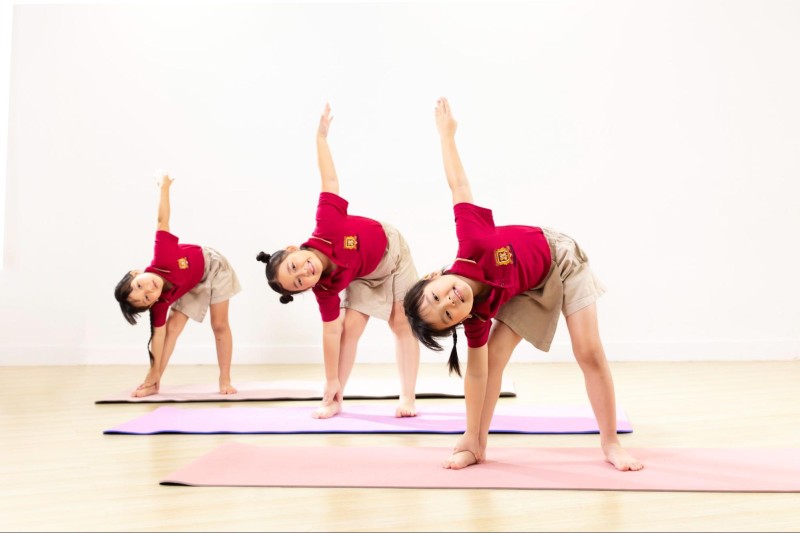
Dancing helps children develop flexibility, physical health, and coordination
4.3. Music Aptitude Test
Music is a comprehensive subject that helps children develop listening, perception, and composing abilities. Learning to play an instrument or learning to sing helps children improve concentration, memory, and sensitivity to sound. In addition, music also promotes creativity and emotion, while creating opportunities for children to participate in performance activities and social exchange.
4.4. Swimming Aptitude Test
Among the extracurricular activities for children, swimming not only helps children improve physical health but is also an important life skill. Participating in swimming classes helps children develop muscle strength, flexibility, and breath control abilities. Furthermore, swimming is an activity that helps children reduce stress, enhance self-confidence, and improve coordination skills.
4.5. Basketball aptitude test
Basketball is a dynamic sports game that helps children develop flexibility, strength, and teamwork abilities. Basketball classes not only teach children basic techniques such as throwing the ball and passing the ball but also encourage creativity in tactics and problem-solving skills. Participating in basketball matches and tournaments creates opportunities for children to express themselves, build team spirit, and develop social communication abilities.
4.6. Foreign Language Aptitude Test
Learning a foreign language expands the horizon of a child's knowledge and creates opportunities for global communication. Learning a new language not only improves language abilities but also develops cultural sensitivity and memory. Foreign language classes help children understand different cultures, while creating opportunities for children to participate in international exchange activities and expand social relationships.
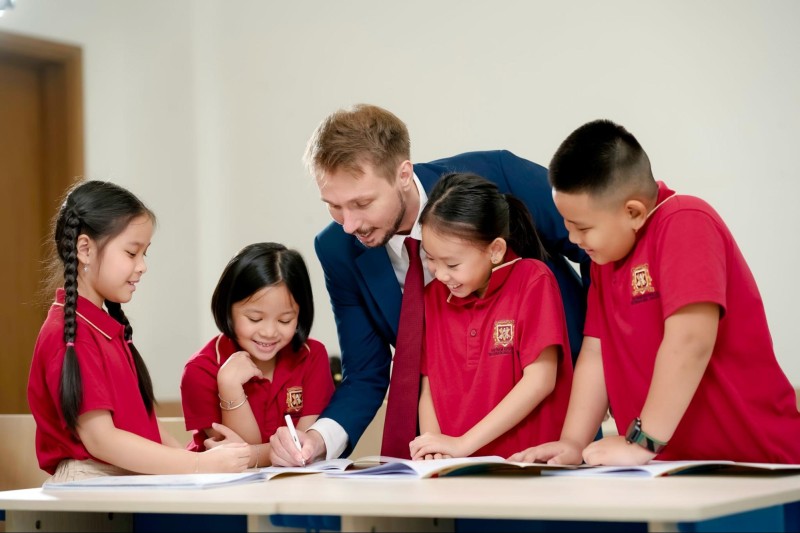
Learning a foreign language expands a child's horizons of knowledge and creates opportunities for global communication
4.7. Chess aptitude test
Chess is a pinnacle intellectual subject, where children learn how to analyze, plan, and predict the opponent's moves. Playing chess helps children develop strategic thinking abilities, improve patience, and problem-solving skills. Each chess game is a lesson in decisiveness and flexibility in thinking, and at the same time promotes concentration abilities and long-term memory.
4.8. MC Aptitude Test
Learning to become an MC (Master of Ceremonies) helps children develop communication skills, self-confidence, and organizational abilities. MC classes not only teach children how to speak in public but also help children learn how to express ideas clearly and persuasively. This is an ideal subject to prepare for future social activities and careers.
5. Conclusion
In summary, choosing and encouraging children to participate in extracurricular activities not only helps them develop important skills but also contributes to the formation of character and comprehensive health. By observing interests, creating opportunities for experience, and considering family circumstances, parents can help their children find the most suitable aptitude subject. Hopefully, the article above provides useful information to help you have a clearer view on how to choose and encourage extracurricular activities for children.
If you are interested in the international education program at VAS, please contact us via hotline: 0911 26 77 55 or visit the website www.vas.edu.vn to get the most detailed consultation from our team.
>>> You might be interested in:
>>> What do VAS international school tuition fees include?
>>> List of the 9 best international schools in HCMC to send your child to