

Guide to Choosing an International School in Ho Chi Minh city A-Z
- Why are international schools in HCMC gaining more attention from parents?
- Popular types of international schools in HCMC
-
Criteria in choosing an international school for your child
- 3.1 Curriculum and qualifications
- 3.2 Teaching staff and educational quality
- 3.3 English-speaking and bilingual environment
- 3.4 Campus facilities and learning technology support
- 3.5 Class size and personalized attention
- 3.6 Tuition fees and additional costs
- 3.7 School location and transportation accessibility
- 3.8 School culture and alignment with family values
-
List of international schools in Ho Chi Minh City
- 4.1 Vietnam Australia International School - VAS
- 4.2 Canadian International School - CIS
- 4.3 International School Ho Chi Minh City - ISHCMC
- 4.4 Australian International School - AIS
- 4.5 Horizon International Bilingual School
- 4.6 Saigon South International School - SSIS
- 4.7 Vietnam Finland International School - VFIS
- 4.8 Singapore International School - SIS
- 4.9 British International School - BIS
- 4.10 The American School - TAS
-
A parent's guide to choosing an international school
- 5.1 Define long-term educational goals (overseas study or domestic pathway)
- 5.2 Campus visits, meeting teachers & current parents
- 5.3 Reading reviews, trial class experiences, evaluating student feedback
- 5.4 Comparing tuition fees and incentives/scholarships policies
- 5.5 Verifying international accreditation and recognition
-
FAQ - Common parent inquiries
- 6.1 What are the differences between international schools and bilingual schools?
- 6.2 What is the ideal age for a child to start international school?
- 6.3 What are typical tuition fees for international schools in HCMC?
- 6.4 Should children transfer from public to international schools at secondary level?
- 6.5 Are international qualifications recognized in Vietnam?
Whether your child is eyeing overseas universities or a strong foundation for local opportunities, selecting the right international school in Ho Chi Minh City (HCMC) is a crucial decision that directly impacts their academic skills, language proficiency, and confidence in a global environment. With HCMC's diverse ecosystem of international schools—from full international programs to bilingual and high-quality private options—parents can feel overwhelmed by differences in curricula, fees, and school cultures.
This "Guide to Choosing an International School in Ho Chi Minh City A–Z" streamlines your decision-making.
1. Why are international schools in HCMC gaining more attention from parents?
International schools in Ho Chi Minh City (HCMC) have surged in popularity over the past decade, driven by Vietnam's booming economy and the growing middle class.
Parents increasingly seek global-standard education to prepare their children for a competitive world, especially with HCMC's role as a hub for multinational companies attracting expatriate families. The demand stems from desires for English proficiency, exposure to diverse cultures, and pathways to top universities abroad.
According to recent trends, enrollment in international schools has grown by over 15% annually, as local public schools struggle with large class sizes and outdated curricula. For Vietnamese families, these schools offer a bridge between local roots and international opportunities, fostering skills like critical thinking and adaptability.
Additionally, post-pandemic recovery has heightened focus on holistic development, including mental health support and extracurriculars, which international schools prioritize. This shift reflects parents' aspirations for their children to thrive in a globalized job market, making HCMC's international education scene a vibrant choice.
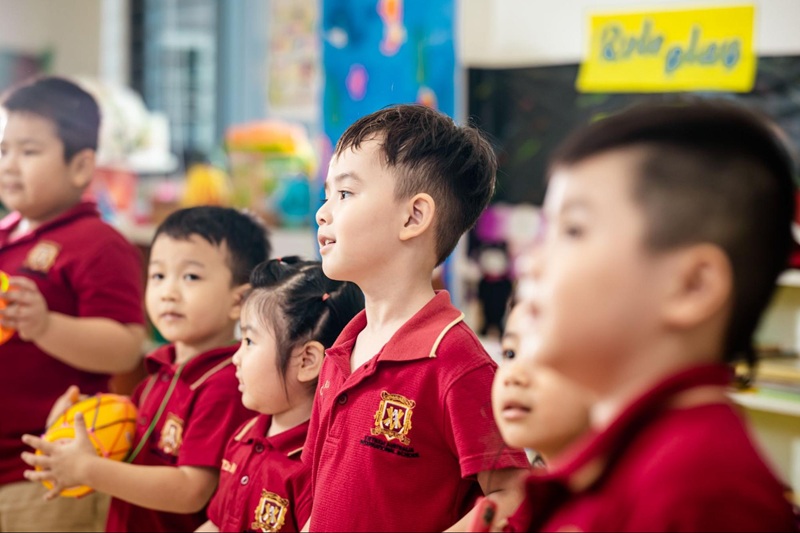
International schools help children develop comprehensively
2. Popular types of international schools in HCMC
HCMC hosts a diverse array of international schools, each catering to different needs and budgets. Understanding the main types helps parents align options with their child's learning style and family goals.
2.1. Full international schools
Full international schools follow entirely foreign curricula, such as the International Baccalaureate (IB), British A-Levels, or American AP programs, taught predominantly in English. These are ideal for expatriates or families planning overseas relocation. They emphasize global perspectives, with students often earning qualifications recognized worldwide. Examples include schools like the British International School (BIS), where classes mimic those in the UK or US, complete with international holidays and events.
2.2. International bilingual schools
These blend international standards with Vietnamese elements, using English and Vietnamese as primary languages. They suit local families wanting cultural preservation alongside global skills. Curricula often integrate the Vietnamese national program with IB or Cambridge frameworks, promoting bilingual fluency. Schools like Horizon International Bilingual School exemplify this, offering a balanced approach that prepares students for both domestic universities and international paths.
2.3. High-quality private schools with international elements
These are premium Vietnamese private schools incorporating international features, like English immersion or exchange programs, but rooted in the national curriculum. They're more affordable than full international options and appeal to parents seeking quality without full expatriate immersion. Institutions such as Vietnam Australia International School (VAS) add international certifications to local studies, providing a hybrid model that's accessible yet enriching.
3. Criteria in choosing an international school for your child
Selecting the right international school involves evaluating key factors to ensure it fits your child's needs and your family's lifestyle. Here's a breakdown of essential criteria.
3.1. Curriculum and qualifications
The curriculum forms the foundation of your child's education. Look for accredited programs like IB, which develops inquiry-based learning, or Cambridge IGCSE for rigorous academics. Ensure the school offers seamless progression from preschool to high school and recognized diplomas for university admissions. For instance, IB schools in HCMC prepare students for global acceptance, while American curricula focus on college prep exams like SAT.
3.2. Teaching staff and educational quality
Qualified teachers are crucial—prioritize schools with native English speakers holding degrees from reputable universities and international certifications like PGCE. Check teacher-to-student ratios and professional development programs. High-quality schools invest in ongoing training, leading to innovative teaching methods that boost engagement and outcomes.
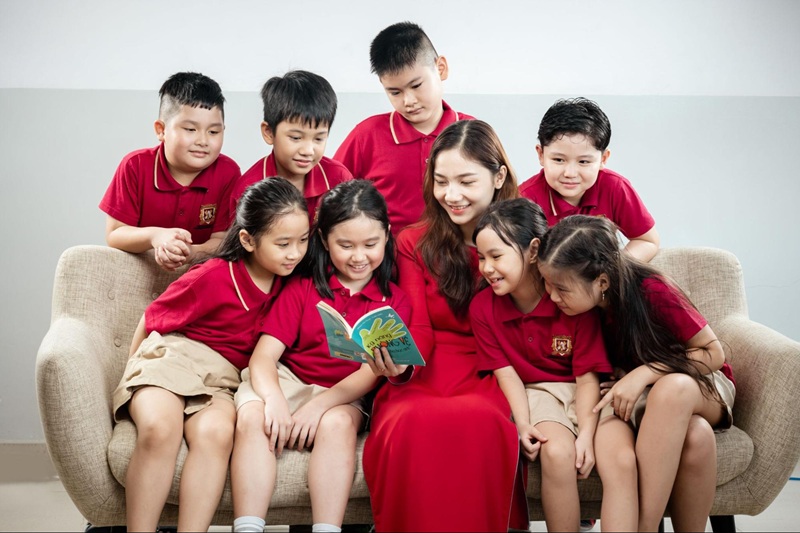
Teachers help children develop according to their individual abilities
3.3. English-speaking and bilingual environment
An immersive language setting accelerates fluency. Opt for schools with mandatory English instruction and diverse student bodies, including expats, to encourage natural practice. Bilingual options build proficiency in both English and Vietnamese, vital for cultural identity and career versatility in HCMC's multicultural scene.
3.4. Campus facilities and learning technology support
Modern facilities enhance learning—seek schools with well-equipped labs, libraries, sports fields, and arts studios. Technology integration, like interactive whiteboards, STEM labs, and online platforms, prepares kids for digital futures. Many top HCMC schools offer secure, green campuses with pools and theaters for well-rounded growth.
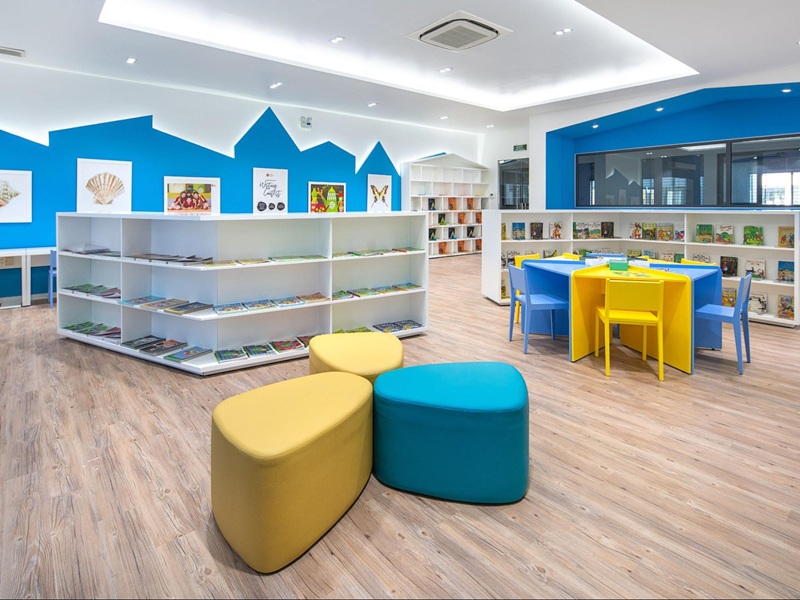
International schools require facilities to meet quality standards
3.5. Class size and personalized attention
Smaller classes (ideally 15-25 students) allow for tailored support. This fosters individualized feedback, especially for students needing extra help or advanced challenges. Schools emphasizing personalized learning plans help children excel at their pace.
3.6. Tuition fees and additional costs
Fees vary widely, from 200-800 million VND annually, covering tuition but excluding uniforms, books, or trips. Factor in scholarships or sibling discounts. Transparent fee structures prevent surprises, and value-for-money schools justify costs with superior resources.
3.7. School location and transportation accessibility
Proximity matters for daily commutes. Schools in districts like District 7 or Thu Duc City offer bus services, easing traffic woes in HCMC. Consider safety features like GPS-tracked vans for peace of mind.
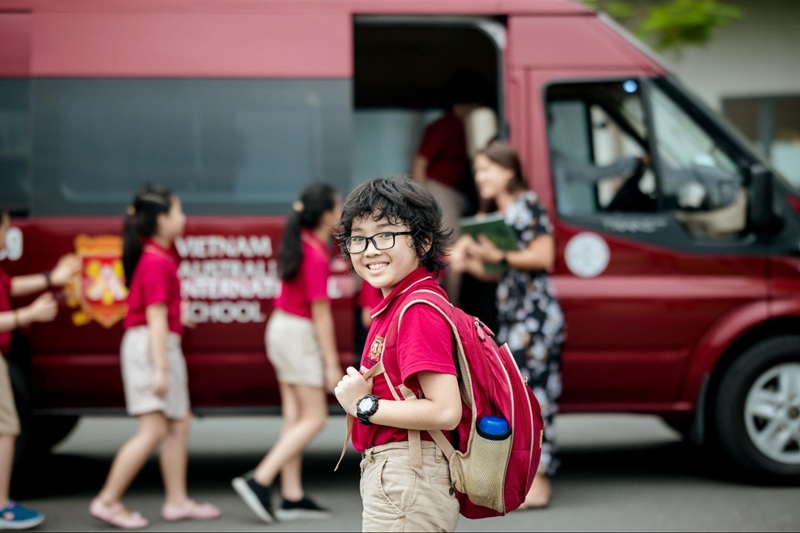
Schools with shuttle bus services are one of the options worth considering
3.8. School culture and alignment with family values
The school's ethos should resonate with yours—whether it's emphasis on inclusivity, sustainability, or discipline. Visit to gauge community vibe; a supportive culture nurtures emotional well-being and long-term success.
>>> See more: 10 common mistakes parents make when choosing an international school for their children
4. List of international schools in Ho Chi Minh City
HCMC boasts over 50 international schools, but here are some top-rated ones based on reputation, facilities, and parent feedback. Each offers unique strengths for different family profiles.
4.1. Vietnam Australia International School - VAS
Vietnam Australia International School (VAS) stands out as one of the largest and most established bilingual international school systems in Ho Chi Minh City, serving over 9,500 students across six modern campuses. Founded in 2006, VAS integrates the Australian and Vietnamese curricula with the Cambridge International Programme, offering a seamless educational pathway from Kindergarten (ages 2+) to Grade 12.
This hybrid model emphasizes academic excellence, leadership development, and cultural balance, making it a popular choice for local Vietnamese families seeking affordable international exposure without full expatriate immersion. The school is renowned for producing top performers in Cambridge exams and awarding billions of VND in scholarships annually, fostering skills like critical thinking through programs in robotics, arts, and community service.
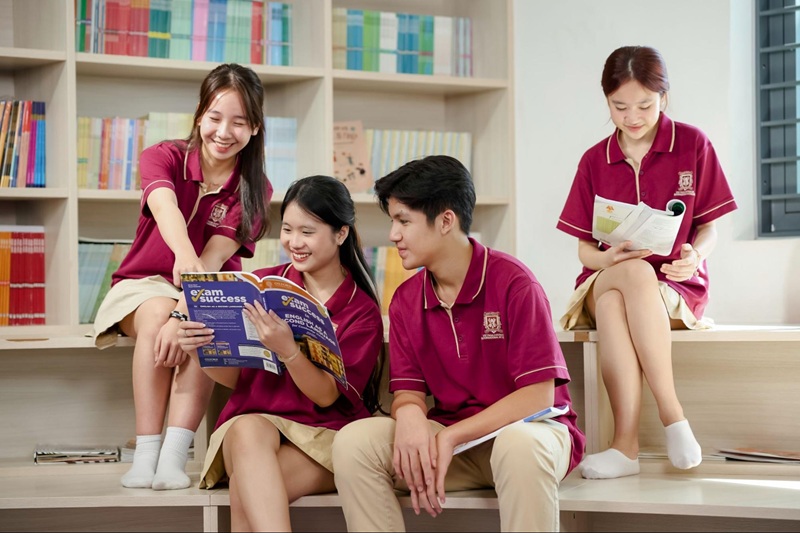
Vietnam Australia International School - VAS
VAS campuses are strategically located across HCMC to ensure accessibility amid the city's traffic, with each site featuring international-standard facilities such as spacious classrooms, STEM labs, swimming pools, football fields, and eco-friendly green spaces that promote holistic growth. Extracurricular activities are robust, including sports clubs, music ensembles, and international exchange trips, helping students build confidence and global awareness.
Tuition is relatively budget-friendly compared to full international schools, ranging from 155 million VND for preschool to 316-382 million VND annually for high school (2025-2026 rates), plus additional costs for uniforms and activities—sibling discounts and merit scholarships are available to ease the financial load. Parents appreciate the school's focus on bilingual fluency, with most subjects taught in English alongside Vietnamese, preparing graduates for both local universities and overseas opportunities.
The six VAS campuses include:
- Ba Thang Hai Campus (District 10): 594 Ba Thang Hai Street, Dien Hong Ward - the original "Mega Campus" since 2006, ideal for full K-12 journeys with Cambridge integration.
- Hoang Van Thu Campus (Phu Nhuan District): 202 Hoang Van Thu Street, Duc Nhuan Ward - convenient for central districts like Tan Binh and Binh Thanh, serving Primary to High School.
- Sunrise Campus (District 7): 1 Street 20, Him Lam Residential Area, Tan Hung Ward - expansive facilities with sports fields and labs, popular for active families in the south.
- Garden Hills Campus (Go Vap District): 168 Phan Van Tri Street, An Nhon Ward - eco-focused design with abundant greenery, offering K-12 in a nature-connected environment.
- Riverside Campus (District 7): Located in the Riverside area - a modern mega site with advanced architecture, emphasizing outdoor learning and K-12 programs.
- Sala Campus (Thu Duc City/District 2): In the Sala urban area - the newest addition since 2018, boasting 7,000+ sqm of outdoor space for vibrant, comprehensive education.
This network allows families to choose based on proximity, with bus services connecting many areas for hassle-free commutes.
>>> See more: Explore the latest tuition fees at VAS International School
4.2. Canadian International School - CIS
Following the IB continuum, CIS offers a nurturing environment with excellent arts and sports programs. Its Thao Dien campus features modern facilities; tuition ranges from 400-700 million VND, ideal for families valuing holistic development.
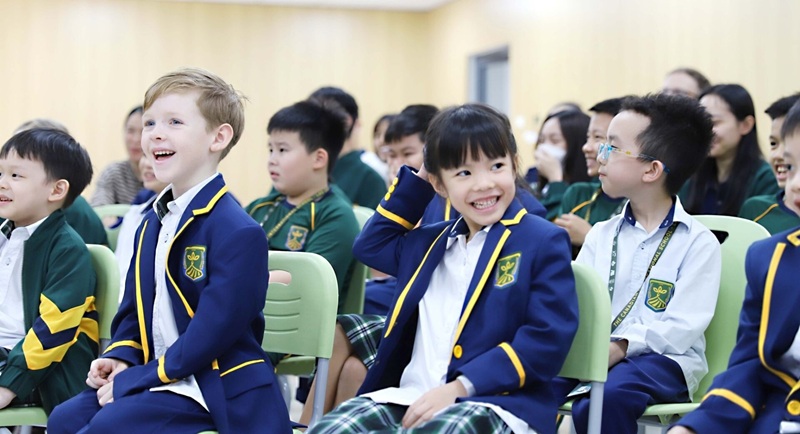
Canadian International School - CIS
4.3. International School Ho Chi Minh City - ISHCMC
ISHCMC delivers a British curriculum with IGCSE and A-Levels, focusing on inquiry-based learning. Located in District 2, it has small classes and diverse activities; fees are about 350-600 million VND.
4.4. Australian International School - AIS
AIS uses an Australian framework with strong STEM focus and beachside-inspired campuses in District 7. It promotes outdoor learning; annual fees hover at 400-650 million VND, suiting active families.
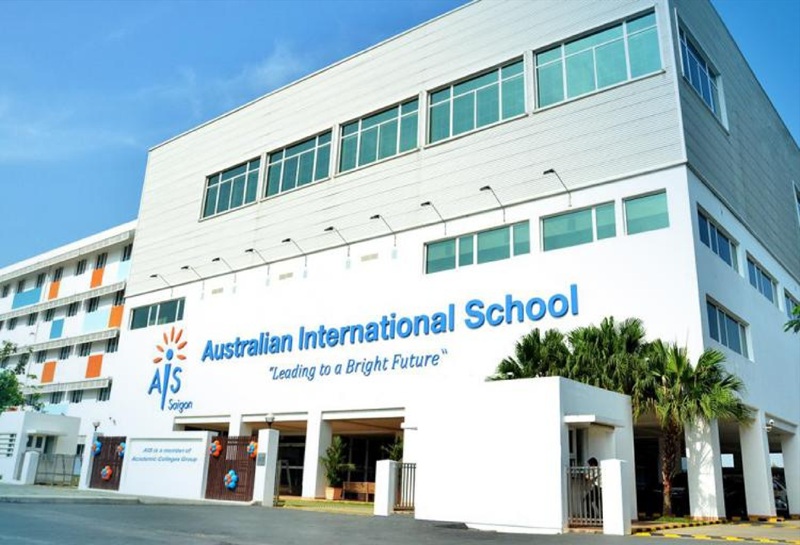
Australian International School - AIS
4.5. Horizon International Bilingual School
This bilingual school integrates Cambridge and Vietnamese curricula, emphasizing creativity and languages. With multiple locations, it offers affordable options at 250-450 million VND, great for local families.
4.6. Saigon South International School - SSIS
An IB World School in District 7, SSIS excels in academics and community service. Its expansive campus includes Olympic pools; tuition is 500-800 million VND, targeting premium experiences.
4.7. Vietnam Finland International School - VFIS
Blending Finnish pedagogy with Vietnamese elements, VFIS prioritizes well-being and phenomenon-based learning. Campuses in Binh Thanh feature eco-friendly designs; fees are 300-550 million VND.
4.8. Singapore International School - SIS
Following Singapore's math-focused curriculum, SIS builds discipline and excellence. Its District 7 location offers bus services; costs range from 350-600 million VND.
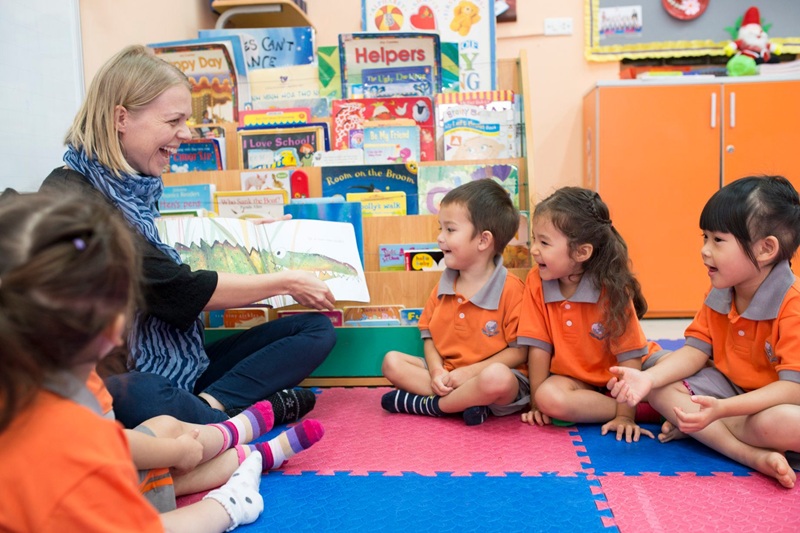
Singapore International School - SIS
4.9. British International School - BIS
Part of Nord Anglia, BIS delivers UK curricula with global partnerships like MIT collaborations. Multiple HCMC sites ensure accessibility; fees are 450-750 million VND for elite education.
4.10. The American School - TAS
TAS emulates US high schools with AP courses and college counseling. In District 2, it fosters independence; tuition is 400-700 million VND, perfect for US-bound paths.
>>> See more: 20 Most Recommended International Primary Schools in Ho Chi Minh City
5. A parent's guide to choosing an international school
Navigating the world of international schools in Ho Chi Minh City requires a structured approach to avoid overwhelm. With dozens of options, from bustling District 7 campuses to quieter Thu Duc spots, this step-by-step guide draws on common parent experiences to help you evaluate schools effectively. Start early—ideally a year before enrollment—to align with application deadlines and secure spots in popular programs.
5.1. Define long-term educational goals (overseas study or domestic pathway)
Begin by mapping out your child's future trajectory, as this shapes everything from curriculum choice to extracurricular focus. If overseas study is the goal—such as aiming for universities in the US, UK, or Australia—prioritize schools with IB or AP programs that emphasize standardized tests like SAT or IELTS preparation. For instance, parents targeting Ivy League paths often choose the American School (TAS) for its college counseling expertise. Conversely, if you envision a domestic pathway, like attending Vietnam National University or RMIT in HCMC, opt for bilingual schools like VAS, which integrate Vietnamese history and language requirements for seamless local transitions.
Consider your child's interests too: a budding artist might benefit from schools with strong visual arts tracks, while future engineers could thrive in STEM-heavy environments like AIS. Discuss family relocation plans—frequent moves favor flexible IB curricula over rigid national ones. Write down 3-5 key goals, such as "bilingual fluency by grade 6" or "global citizenship skills," to use as a benchmark throughout the process.
5.2. Campus visits, meeting teachers & current parents
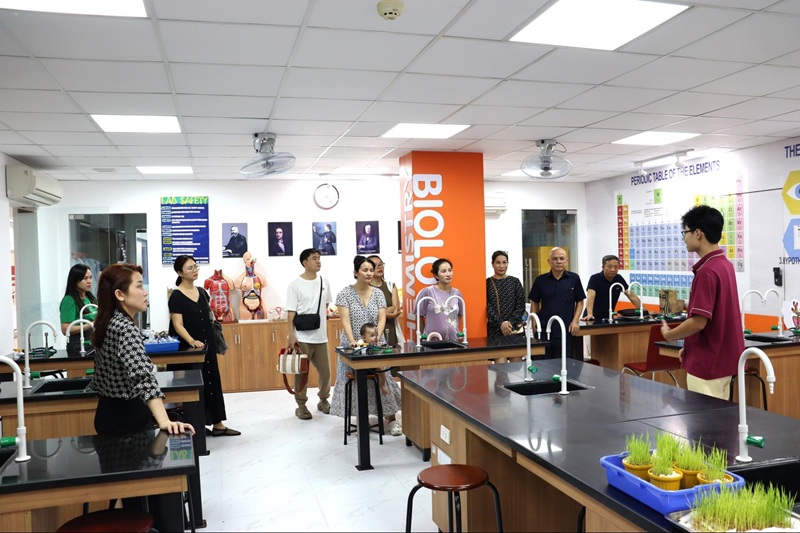
Nothing beats an in-person visit to feel the school's energy. Schedule official tours (most schools offer them weekly during term time) and request shadow days where your child can join a class. Observe the flow: Are classrooms collaborative or lecture-based? Do kids seem engaged during breaks? At schools like SSIS, tours often include facility walkthroughs, highlighting pools and labs that support active learning.
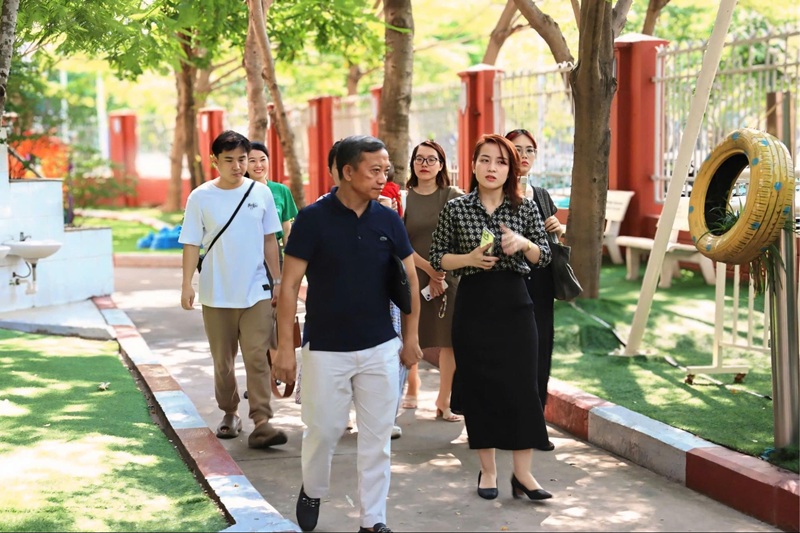
Parents should visit the school in person to take a tour and receive consultation
Meet teachers one-on-one—ask about their experience handling diverse learners, such as supporting neurodiverse students or those transitioning from public schools. Connect with current parents through school-organized coffee chats or alumni networks on Facebook groups like "Expats in HCMC Education." Their stories, like navigating traffic to District 2 campuses, provide unfiltered insights. Aim for 2-3 visits per shortlisted school, and take notes on atmosphere, cleanliness, and inclusivity to compare later.
5.3. Reading reviews, trial class experiences, evaluating student feedback
Leverage online and offline resources for balanced perspectives. Start with verified reviews on Google, Facebook, or education forums like Expat.com and Vietnam Parents groups, focusing on recent posts (last 1-2 years) about teaching quality and post-graduation outcomes. For example, BIS often gets praise for its global partnerships, but some note high pressure in exam years. Enroll in trial classes or open houses—many schools like CIS offer free half-day sessions to assess fit. Watch your child's reactions: Do they connect with peers or seem excited by lessons?
If the school offers trial classes, parents should experience them
Gather student feedback via school magazines, yearbooks, or direct chats during visits; older students at ISHCMC, for instance, highlight strong debate clubs that build confidence. Cross-reference with independent reports from bodies like the Council of International Schools (CIS) for accreditation insights. Avoid relying solely on glossy brochures—prioritize patterns in feedback, such as consistent mentions of supportive counseling during tough transitions.
5.4. Comparing tuition fees and incentives/scholarships policies
Budgeting is key, as international education is an investment. Compile a detailed cost comparison using school websites or spreadsheets: Break down tuition (per grade), plus extras like application fees (5-10 million VND), uniforms (2-5 million), books (3-10 million annually), and trips (up to 20 million for international exchanges). Full international schools like BIS can total 600-800 million VND/year for high school, while bilingual options like Horizon are 250-400 million.
Hunt for incentives—early enrollment discounts (10-15%), sibling reductions (up to 20%), or merit scholarships based on entrance exams. VFIS, for example, offers need-based aid for talented Vietnamese students. Factor in hidden costs like tutoring for curriculum catch-up (common for transfers) or transportation (school buses add 20-50 million/year). Consult financial advisors if needed, and negotiate—some schools waive fees for committed families. Remember, the cheapest option isn't always best; weigh value against outcomes like university placement rates.
5.5. Verifying international accreditation and recognition
Accreditation ensures quality and portability of qualifications. Check for seals from reputable organizations: IB World Schools (like SSIS) for holistic programs, Cambridge International for British-style rigor (ISHCMC), or NEASC/WASC for American curricula (TAS). In Vietnam, the Ministry of Education and Training (MOET) requires schools to register, so verify compliance via their portal to avoid unrecognized diplomas. Contact accrediting bodies directly for confirmation—e.g., CIS-accredited schools undergo rigorous audits every five years.
For recognition, confirm if graduates access top Vietnamese unis (most IB/A-Level holders do via equivalency exams) or global ones (e.g., 90% of BIS alumni enter overseas universities). Red flags include unaccredited "international" labels. This step protects your investment, as accredited schools like SIS boast high employability rates, with alumni in Fortune 500 companies.
>>> See more: 9 tips for choosing an international school in Ho Chi Minh City
6. FAQ - Common parent inquiries
Addressing frequent questions can clarify doubts and build confidence in your choice.
6.1. What are the differences between international schools and bilingual schools?
International schools use fully foreign curricula in English for global focus, while bilingual schools mix Vietnamese and international elements, balancing local culture with language skills—ideal for staying rooted yet competitive.
6.2. What is the ideal age for a child to start international school?
Early years (ages 3-6) are best for language immersion, but transitions work at any stage with support. Younger starts build fluency naturally; older kids adapt via bridging programs.
6.3. What are typical tuition fees for international schools in HCMC?
Expect 200-800 million VND per year, varying by type and grade. Bilingual options are lower (200-400 million), full international higher (500+ million), plus 10-20% for extras like uniforms.
6.4. Should children transfer from public to international schools at secondary level?
It's feasible but challenging due to curriculum gaps—secondary transfers suit motivated students with English basics. Many schools offer orientation to ease the shift, especially for grades 6-9.
6.5. Are international qualifications recognized in Vietnam?
Yes, diplomas like IB or A-Levels are accepted by Vietnamese universities and employers. The Ministry of Education endorses them for equivalency, aiding local or international pursuits.
Choosing an international school in Ho Chi Minh City is a pivotal decision that shapes your child's academic journey and future opportunities in a globalized world. By considering factors like curriculum alignment, facilities, and family values - while following the practical steps outlined - you can find a nurturing environment that fosters bilingual skills, critical thinking, and holistic growth. Take the time to visit campuses and involve your child; the right school not only builds knowledge but also confidence for lifelong success. With HCMC's vibrant options, your investment today promises a brighter tomorrow.
>>> See more: Top Australian International High Schools in Ho Chi Minh City