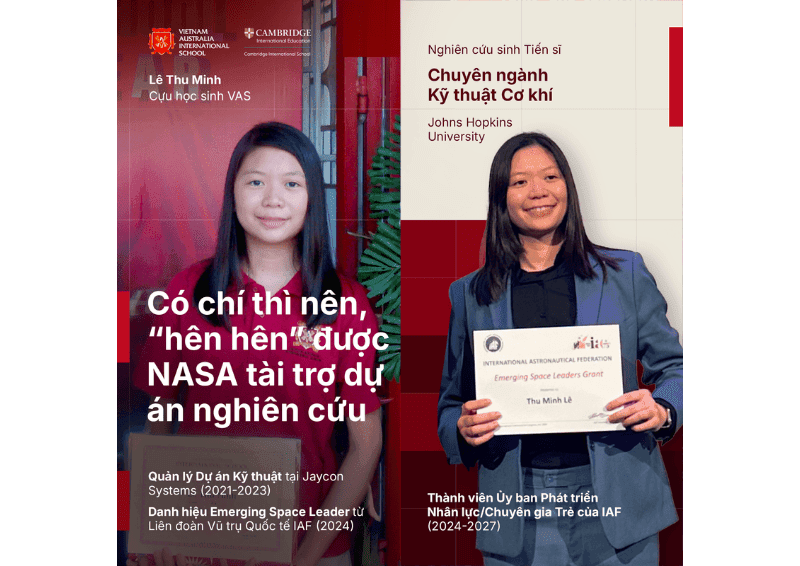



What should a 5-year-old child learn? Top 10 lessons for holistic child development?
- Why is 5 years old the "golden" age to promote child rearing?
-
What should a 5 year old learn for holistic development?
- 2.1 Five-year-old children need to learn letters and numbers
- 2.2 Learning a talent based on interests
- 2.3 Learn how to communicate and interact
- 2.4 Learning to be independent
- 2.5 Learn your favorite sport
- 2.6 Reading books with parents
- 2.7 Learn to love and share
- 2.8 Learn to adapt
- 2.9 Learn how to take care of yourself
- 2.10 Learning a foreign language
- Effective methods for educating 5-year-old children
- Things to keep in mind when raising a 5-year-old child
- What do 5-year-olds learn at VAS?
The question of what a five-year-old child should learn to develop their full potential and build essential life skills is a common concern for many parents today. At this age, children are entering a crucial stage of growth, where their thinking, personality, and social skills begin to take shape more clearly. Choosing the right learning approach during this “golden age” plays an important role in helping children grow confidently and holistically. In this article, VAS shares 10 essential lessons to support your child’s development at this important stage.
1. Why is 5 years old the "golden" age to promote child rearing?
Age five is a pivotal milestone in a child's physical, linguistic, emotional, cognitive, and social trajectory. At this stage, a child’s brain is approximately 90% of its adult size. This rapid neurological expansion enhances motor skills and memory retention, allowing children to engage in complex tasks such as sophisticated language use, problem-solving, and coordinated physical activities.
According to educational experts, 5-year-old typically exhibit the following psycho-physiological traits:
- Optimism: A tendency to focus on positive outcomes.
- Self-Assertion: A strong desire for attention and self-expression.
- Selective Listening: Processing information based on personal interest.
- Active Imagination: A high capacity for creative and divergent thinking.
- Emerging Independence: A readiness to take on and complete small tasks.
- Recognizing these traits allows parents to apply appropriate pedagogical methods to accelerate progress.
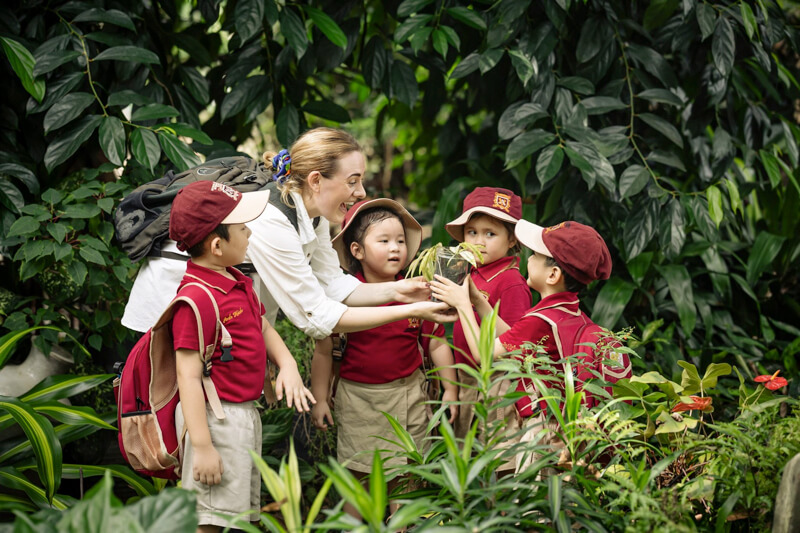
What should a 5-year-old learn for holistic development?
2. What should a 5 year old learn for holistic development?
At VAS, we believe that while the learning spectrum is vast, these 10 foundational lessons should be prioritized to prepare children for Primary school and beyond.
2.1. Five-year-old children need to learn letters and numbers
By age five, children typically possess a robust vocabulary of 3,000 to 4,000 words. Their grasp of phonics, grammar, and intonation becomes increasingly sophisticated and coherent. This "linguistic explosion" provides the perfect cognitive foundation for formalizing reading and writing skills.
Learning to write at this stage not only expands a child's vocabulary but can also mitigate speech delays. However, parents should prioritize the child’s psychological well-being:
- The 70/30 Rule: Avoid "cramming" or academic pressure. Maintain a healthy balance between structured study and free play to ensure knowledge is absorbed naturally.
- Parental Engagement: Participate in their first writing strokes. This strengthens family bonds while allowing you to guide their posture and pencil grip from the start.
- Correcting Pronunciation: It is critical to address speech impediments or mispronunciations early. Correcting "baby talk" now prevents long-term habits that could hinder their future communication confidence and social integration.
Tip for Parents: Maintain a balance between "play" and "study" to avoid academic burnout. Focus on correct pronunciation and posture to build long-term confidence.

Teaching letters and numbers to a 5-year-old is an important step
2.2. Learning a talent based on interests
At age five, children begin to develop self-awareness regarding their passions. Natural talents often emerge through a sudden, intense interest in a specific field whether it be drawing, dancing, singing, martial arts, or playing an instrument.
Parents should observe these cues closely to provide opportunities for specialized learning. Nurturing a child's talent early does more than build skill; it serves as a stress-relief mechanism for future academic pressure and builds the self-assurance needed to shine in social and educational environments.
Developmental Outcomes for 5 year olds:
| Discipline | Primary Benefit | Future Impact |
| Music | Emotional Regulation | Higher EQ and social confidence. |
| Fine Arts |
Visual-Spatial Intelligence |
Advanced abstract thinking and analysis. |
| Physical Arts | Discipline & Coordination | Improved focus and resilience. |
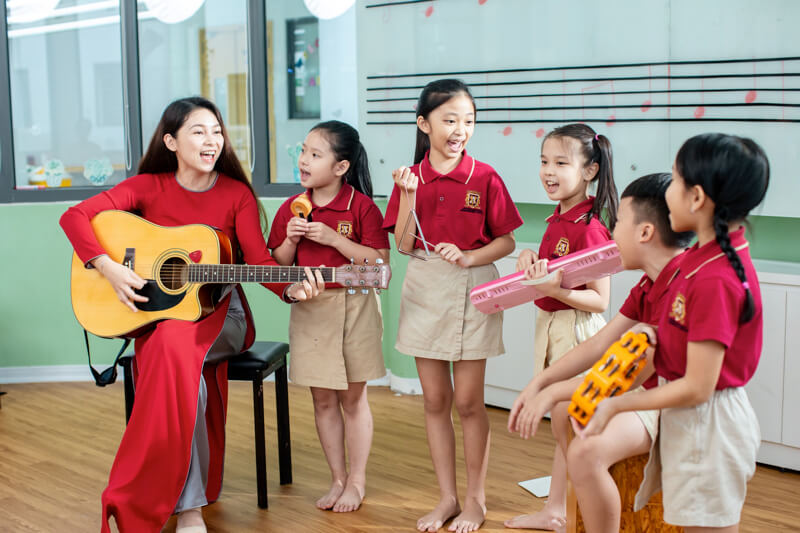
Let children take classes in the talent subjects they love
2.3. Learn how to communicate and interact
Long-term success is deeply rooted in interpersonal skills. By age five, children gain better emotional regulation, making them naturally more eager to engage in social activities, build friendships, and seek positive reinforcement from adults.
This is time to teach children how to communicate, build the self-assurance needed to express their abilities and connect with peers. Parents should utilize this receptive stage to instill foundational etiquette:
- Mastering the use of "Thank you," "I’m sorry," and proper greetings.
- Teaching the importance of eye contact and using full sentences when responding to others.
- Showing empathy, respecting the opinions of others, and maintaining decorum in public spaces.
However, at this developmental threshold, children view their parents' actions as the ultimate standard. Every gesture and word is observed and imitated. To teach respect and effective communication, parents must consistently model these behaviors in their daily lives.
2.4. Learning to be independent
Independence is a non-negotiable life skill, empowers children to think and act proactively without constant reliance on others. VAS encourages parents to lay this foundation early by fostering positive, self-governing habits.
For fostering independence creates a "win-win" scenario for the family:
- For the Parent: It grants you the freedom to manage other tasks, providing peace of mind knowing your child can manage basic needs during unexpected absences.
- For the Child: It instills a sense of pride and self-worth. Seeing "I can do it myself" creates a powerful emotional boost for a 5-year-old’s maturity.
Beginning with giving them age-appropriate responsibilities, like self-feeding, dressing independently, assisting with light chores, and organizing school supplies. More than just chores, they are building blocks of character.
Moreover, for parents aiming for international or high-standard educational environments, independence is a top priority. Children who can manage their own belongings and follow routines adapt much faster, ensuring they never feel "lost" or overwhelmed in a dynamic classroom setting.
2.5. Learn your favorite sport
Age five is the optimal threshold for parents to introduce a structured sport. At this developmental stage, children are refining fundamental motor skills, communication, and overall physical coordination. In the educational environment in general, at VAS in particular, physical education is always considered as a key cornerstone of holistic growth.
Engaging in sports offers multifaceted advantages that extend far beyond the playground:
- Promoting cardiovascular health, bone density, and height development.
- Acting as a vital outlet for stress relief, helping children decompress after academic sessions.
- Providing a proactive alternative to screen time, mitigating the negative impacts of social media and technology on young minds.
- Participating in physical activities allows parents to share in their child's joy, fostering deeper understanding and connection.
To cater to different personality types and physical strengths, parents can provide opportunities in:
- Team Sports: Basketball and Football (Soccer) to build collaboration.
- Life Skills: Swimming and Cycling for safety and endurance.
- Agility & Grace: Gymnastics, Silk Dancing, or Rollerblading.
- Precision: Table Tennis or Running.
Expert Insight: Early exposure to sports doesn't just build a "stronger" child; it builds a resilient one. By learning to win, lose, and persist, children develop the emotional grit necessary for future success.
2.6. Reading books with parents
Reading together is one of the most powerful educational tools for a five-year-old. At this age, children can already pronounce and memorize simple sentences, often retelling stories in their own words. Therefore, VAS encourages parents to daily share reading with your child to reinforce comprehension skills and ignite a lifelong love for literature.
To keep a 5-year-old engaged, parents should choose books that are:
- Themes that resonate with their daily experiences or spark healthy curiosity.
- High-quality illustrations that complement the story.
- Short, simple narratives that match a child's attention span.
Parents should employ specific strategies to make the child an active "part of the story" rather than a passive listener. Consider the following techniques:
- Immersive performance by using gentle tones and diverse voices for different characters. Incorporate expressive gestures and sound effects to make the narrative more memorable.
- Encouraging your child to point at specific words or images and allow them to take charge of turning the pages.
- Asking open-ended questions, such as "What do you think happens next?" to stimulate their imagination and critical thinking.
2.7. Learn to love and share
Love is the fundamental "seed" that nurtures a child’s character and paves the way for a bright future. Because receiving consistent love from family allows children to develop a secure psychological foundation. This sense of security is what enables them to focus on intellectual growth, physical health, and the confidence to shine in front of others.
To help your child develop a natural and healthy sense of compassion, parents can implement the following strategies:
- Creating a Nurturing Environment: Surround your child with a supportive circle of family and friends who model kindness.
- Demonstrating affection and respect in your daily interactions with others; children are mirrors of their parents' behavior.
- Teaching your child how to articulate their love and care for those around them through words and gestures.
- Offering genuine praise and rewards when your child shows kindness to others.
- Using storytelling and books to explore themes of caring and emotional intelligence.
- If possible, let your child care for a pet or a garden. This teaches them the responsibility of protecting and growing something beautiful.
- Encouraging them to share snacks and toys with peers to build social bonds.
- Involving your child in simple charitable activities to plant the early seeds of social responsibility.
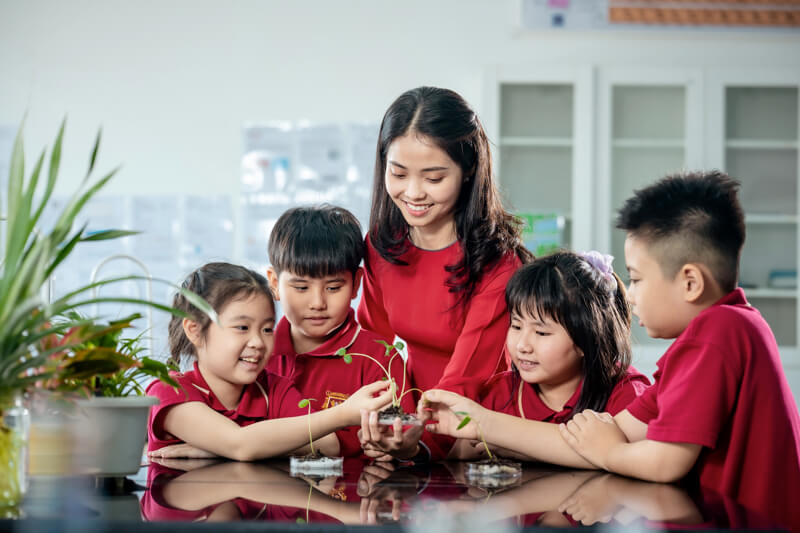
Let children plant trees to stimulate the seeds of love
2.8. Learn to adapt
Adaptability is the ability to adjust flexibly and quickly to changing environments and unforeseen situations. In today’s fast-paced world, equipping children with this skill is essential. VAS believes that an adaptable child is better prepared to seize opportunities and navigate life's uncertainties with confidence. As a high level of adaptability empowers children to:
- Be more open to exploring and learning new things independently.
- Analyze and overcome challenges in their studies and daily life.
- Develop better teamwork skills and shared experiences with peers.
- Become more resilient and emotionally strong when facing obstacles.
To help your child thrive regardless of their circumstances whether in abundance or scarcity, parents should focus on these four areas:
- Nutrition: Introduce a diverse range of foods, including various vegetables and proteins. This prevents picky eating and helps the child enjoy a wide variety of cuisines.
- Environment: Allow children to experience natural weather changes through controlled outdoor play. Moderate exposure to "sun and rain" helps build physical endurance and environmental awareness.
- Social Integration: Encourage participation in social activities to refine communication. Practical tasks, such as letting a child handle small transactions at a store or pick up an order, build immense social confidence.
- Responsibility & Time Management: Assign age-appropriate tasks at home or school. This teaches children how to coordinate efforts and manage their time effectively, preparing them for future work environments.
2.9. Learn how to take care of yourself
Teaching self-care skills does more than just help a child manage their own needs; it fosters a deeper sense of empathy and concern for others, especially loved ones like grandparents, parents, and siblings.
Developing these skills from a young age trains children to be independent, reducing over-reliance on others. It cultivates a strong sense of responsibility and self-discipline in every action and word.
Parents can introduce these foundational habits through daily routines:
- Teaching proper personal hygiene and how to care for their bodies correctly.
- Guiding children on how to organize and clean their personal belongings.
- Establishing consistent, healthy daily routines.
- Learning to put on clothes without assistance and choosing weather-appropriate outfits.
- Training the child to bathe independently and master complex fine motor tasks like tying shoelaces.
- Encouraging participation in simple chores, such as washing dishes or joining in basic cooking activities.
- Introducing emergency protocols and teaching them how to call for emergency services.
2.10. Learning a foreign language
Linguists widely recognize age five as the "Golden Period" for English language acquisition. At this stage, a child’s brain possesses remarkable neuroplasticity, allowing them to absorb new languages with incredible speed and accuracy. With their listening, speaking, and cognitive recognition skills rapidly maturing, five-year-olds find language learning more intuitive and effective than at almost any other life stage.
At this age, children learn best through active engagement: seeing, hearing, and speaking, which allows them to naturally mimic native-like pronunciation and intonation.
Beyond linguistic skills, starting English at age five provides several key advantages:
- A Seamless Transition: Early exposure prevents academic "culture shock" when students enter the formal environment of Grade 1.
- Confidence Building: Familiarity with a second language fosters a sense of global citizenship and communicative self-assurance.
- Cognitive Flexibility: Learning two languages simultaneously strengthens the brain’s executive functions and problem-solving abilities.
But, how to support your child’s English at home? Following the VAS Guidelines, parents can play a crucial role in facilitating this journey by focusing on these four pillars:
- Phonics & Sounds: Focus on the phonetic building blocks of pronunciation rather than simply memorizing the alphabet names.
- Thematic Vocabulary: Introduce new words through familiar, daily topics such as family, animals, and food to make learning relevant.
- Active Listening: Create a "language-rich" environment at home using English songs, interactive stories, and frequent conversation.
- Daily Immersion: Whenever possible, incorporate simple English phrases into daily routines to help the child view the language as a natural tool for communication.
3. Effective methods for educating 5-year-old children
Beyond understanding what to learn, applying the right pedagogical approach is essential. VAS recommend three foundational methods:
3.1. Encouraging independence
Education at age five should transition from constant supervision to guided independence.
Parents may allow children to make simple daily choices, such as selecting their outfit or deciding which book to read. This practice empowers them to take ownership of their actions from an early age.
Instead of immediately offering solutions, parents should encourage children to navigate minor challenges independently. For instance, if a child struggles with a puzzle or a building block, allow them the time to experiment with different strategies before intervening.
Moreover, parents should let children experience the results of their actions in a safe environment. If a child trips while playing, encourage them to stand back up on their own, reinforcing the idea that they have the strength to overcome physical and emotional setbacks.
3.2. Maximum Concentration
A child’s ability to focus is a critical predictor of future academic success.
When a child is profoundly focused on an activity whether it is drawing or building a model, parents should avoid unnecessary interruptions. This "flow" state is when the most significant cognitive connections are made.
Parents can stimulate focus by involving children in DIY projects using natural or recycled materials like cardboard or plastic bottles. Creating a toy together not only provides a sense of achievement but also lengthens their attention span through purposeful play.
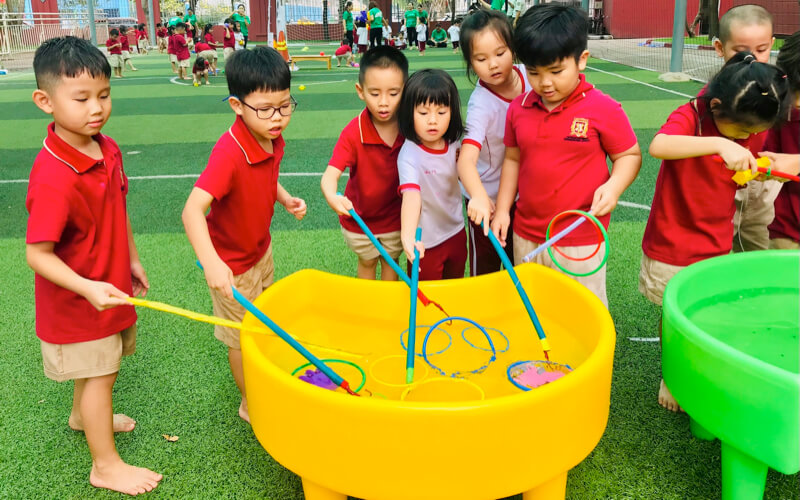
When a child is concentrating on doing something, parents should not intervene
3.3. No imposition, no harshness
The primary goal of early education is to nurture the brain’s development, not to enforce a rigorous academic schedule.
Parents should avoid placing undue pressure on their children to achieve "prodigy" status or perfect results. High-stakes expectations often lead to academic anxiety and a fear of failure.
By maintaining a patient and encouraging demeanor, parents help children absorb knowledge naturally. A stress-free environment ensures that children view the "study desk" as a place of discovery rather than a source of fear.
4. Things to keep in mind when raising a 5-year-old child
While education is essential, age five is a sensitive period where children are highly susceptible to emotional hurt and external influence. To ensure your child learns effectively and naturally, parents should focus on the following key pillars:
Effective education is impossible without a foundation of trust and intimacy. Parents should place their child’s emotional needs and aspirations at the forefront of their educational journey. By consistently sharing experiences and showing genuine interest in their daily lives, you create a safe space for them to express their thoughts and feelings.
Vigilant Curation of Media and Culture: Parents must actively manage the content their children consume, including books, films, and internet usage. At this age, children are highly impressionable and often mirror the speech and actions of on-screen "idols." If you notice unusual shifts in your child's behavior or language, it is crucial to review the media they have recently encountered.
Discipline should be a tool for teaching, not just punishing. When a child makes a mistake, parents should calmly explain the logic behind why certain actions are inappropriate. Furthermore, expressing your own feelings—such as the sadness you feel when they misbehave—helps the child develop empathy and understand the emotional impact of their actions.
Parents must be the ultimate role models for the values and behaviors they wish to instill. Consistently demonstrating integrity, politeness, and discipline in your own life is far more effective than verbal instructions alone.
A child’s academic success is a collaborative effort between home and school. Parents should be well-acquainted with their child's homeroom teacher, their close friends, and their specific academic strengths or challenges. Having a clear understanding of their school environment allows you to provide more personalized motivation and guidance.
Maintaining the Ritual of Family Meals: Daily family meals are a precious time to sit together, share stories, and reinforce family values. These conversations are not just for passing information; they are opportunities to gently correct mistakes, offer praise, and strengthen the emotional ties that keep the family unit resilient.
5. What do 5-year-olds learn at VAS?
VAS utilizes a holistic approach to nurture both physical and intellectual growth through our Bilingual Kindergarten Program. This curriculum uniquely integrates the UK’s Early Years Foundation Stage (EYFS) with the National Cultural Program, delivered by a combination of native English-speaking and experienced Vietnamese educators.
Our scientifically-backed curriculum focuses on active "play-based learning" to help children master six essential developmental pillars:
- Socio-Emotional Awareness: Students explore their roles within the family, school, and community. This fosters empathy, sharing, and collaborative skills necessary for social integration
- Physical Excellence: VAS ensures a structured daily physical regimen to enhance endurance, stimulate height growth, and promote overall well-being. Activities range from morning gymnastics and swimming to cycling, tug-of-war, and diverse outdoor excursions.
- Advanced Communication Skills: We focus on bi-literacy (English and Vietnamese) through storytelling, drama, and interactive games. With 10–20 English periods per week, children develop natural phonetics and rapid linguistic reflexes.
- Elementary Academic Foundations: Students are introduced to early concepts of Mathematics, Science, and Information & Communication Technology (ICT). Lessons are gamified to stimulate curiosity and boost neuroplasticity.
- Global Understanding & Life Skills: Practical lessons on self-care, etiquette, self-defense, and emotional regulation are woven into the curriculum and field trips, fostering autonomy and self-reliance in daily life.
- Cognitive & Talent Development: Daily exposure to numeracy, literacy, shapes, arts, and music cultivates analytical thinking and aesthetic appreciation. Specialized platforms like "Spelling Bee," "VAS’s Got Talent," and "VAS Olympics" provide children with the stage to showcase their unique passions and build self-confidence.
In summary, the VAS Bilingual Kindergarten Program leverages the vital 2–6 age range to equip children with essential skills within a multicultural environment, ensuring a robust foundation for their future academic journeys.
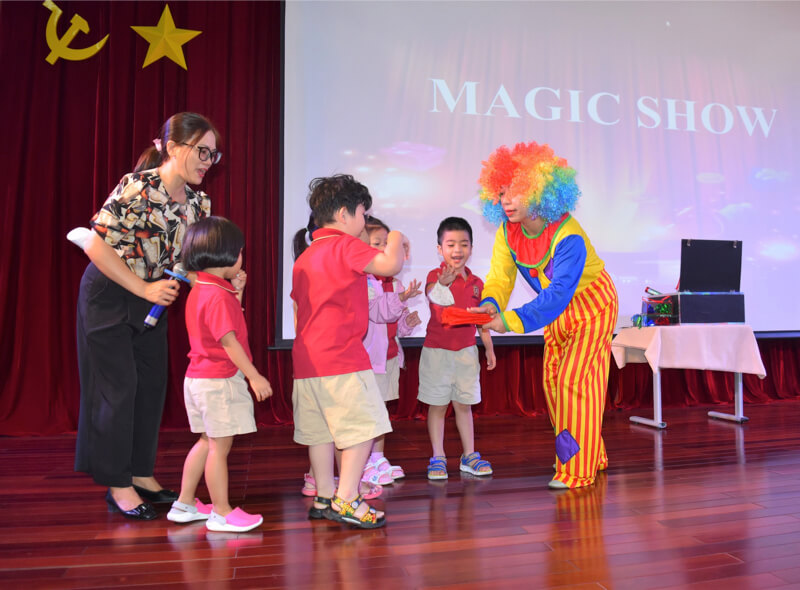
VAS focuses on developing both knowledge and soft skills for 5-year-olds
>>> Read more: What do VAS international school tuition fees include?
Education should not be an arduous quest for "perfection" or "genius" status; excessive expectations can lead to stress, loss of identity, and even early-onset psychological burnout.
Holistic development is not synonymous with being the best in every subject. Instead, it signifies a healthy equilibrium between Intellect, Emotion, and Physique. Understanding this balance is the key to raising a happy, resilient, and successful child.
For detailed information on our curriculum and campus environments, please contact us via:
- Website: www.vas.edu.vn
- Hotline: 0911 26 77 55
>>> Read more:
Discover what's special about the educational pathway at VAS international school
Criteria parents need to know when choosing an international school for their child