The Benefits of Extracurricular Activities for Students at International Schools
Today, parents often look beyond academic knowledge when considering their children’s education. They also place greater importance on their children’s well-rounded development. For this reason, extracurricular activities have become an important part of the curriculum at high-quality international schools, offering students opportunities to develop beyond the classroom.
This article explores how extracurricular activities support students as they develop the knowledge, skills, and confidence needed to become active global citizens at VAS International School in Binh Thanh District.
1. Which age groups are extracurricular activities suitable for?
Extracurricular activities are organized outside the regular classroom curriculum. They cover a wide range of areas, including sports, music, art, cultural and social activities. Participation is voluntary and is generally based on each student’s interests and preferences.
Extracurricular activities can be organized at different times and locations. Schools may offer different activities throughout the school year and adjust them according to students’ interests and needs.
These activities should be designed to suit students’ physical and psychological development, skill-development goals, ages, and grade levels. Schools can flexibly adjust the format and approach according to each age group.

Extracurricular activities help students develop holistically
Regardless of age or grade level, extracurricular activities help students broaden their life experiences and develop essential life skills, helping them develop practical skills, confidence, and broader life experiences.
2. Benefits of extracurricular activities for students
Extracurricular activities have many positive effects on students’ long-term and holistic development. They support physical development, mental well-being, social relationships, and essential soft skills such as life skills, teamwork, and leadership. Below are some key benefits of extracurricular activities for students at VAS
2.1. Discovering students’ strengths
Classroom performance alone is not enough to fully assess a student’s abilities. Each student may have different talents and strengths across various fields.
By participating in extracurricular activities, students can:
- Discover their strengths and talents
- Develop a stronger sense of self
- Understand themselves better
- Identify what they enjoy
- Learn what they are capable of
This understanding gives parents a useful foundation for supporting their children’s development and helping them explore suitable career paths in the future.
Extracurricular activities also help students develop skills and personal qualities that may benefit them in their future studies, careers, and daily lives. For example, sports can help students develop teamwork, leadership, problem-solving skills, strategic thinking and observational skills. Learning to play a musical instrument, meanwhile, requires perseverance, hand-eye coordination, concentration and creativity.
2.2. Building self-confidence
Discovering their strengths at an early age can help students become more confident. For younger children, extracurricular activities provide valuable experiences beyond the classroom. For older students, these activities can help them feel more confident when joining larger social groups and communities.
In new environments, students may become more willing to express themselves and share their abilities and ideas. When facing difficulties or challenges, they can also develop the confidence and resilience needed to work through them.
Greater self-confidence can encourage students to step outside their comfort zones, try new things, , explore their potential, and take on new challenges.
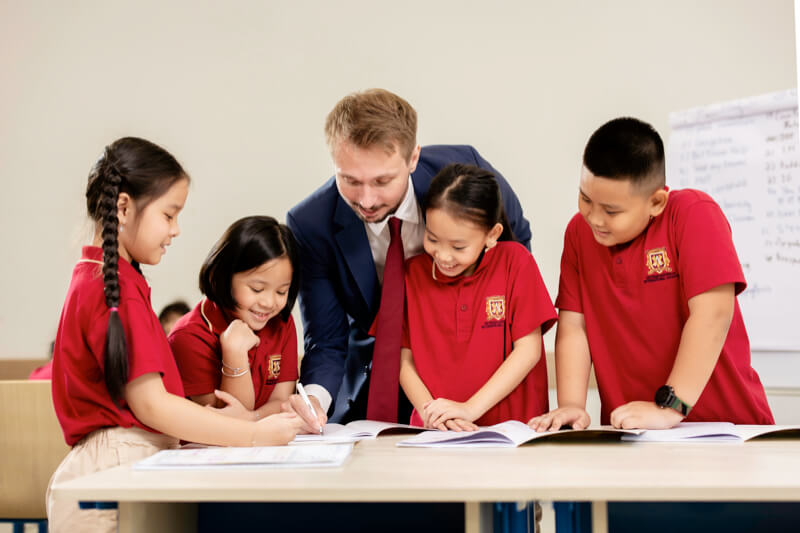
Extracurricular activities help students become more confident in their own abilities
2.3. Developing soft skills
As modern technology continues to develop, students may have fewer opportunities for direct social interaction. Participating in extracurricular activities can therefore help them develop practical life skills and gain useful social experience.
- Building social relationships: Extracurricular activities allow students to form new social connections and strengthen their friendships. By joining clubs and groups, students can meet others who share similar interests and passions, helping them build closer relationships.
- Developing communication and teamwork skills: Group activities help students practise communication, interaction, and teamwork. They also learn to understand and appreciate the contribution of each person when working toward a shared goal.
- Building initiative and adaptability: Extracurricular activities give students opportunities to experience different environments and situations. Through these experiences, students learn to respond to unfamiliar situations, adapt to change, and work effectively with others.
- Improving public speaking skills: Public speaking helps students express their thoughts clearly and confidently. It is also an important skill that can support the development of future leadership abilities.
- Challenging personal limits: Extracurricular activities encourage students to step beyond their comfort zones and challenge themselves. Trying different activities gives students more opportunities to discover new interests and develop new skills.
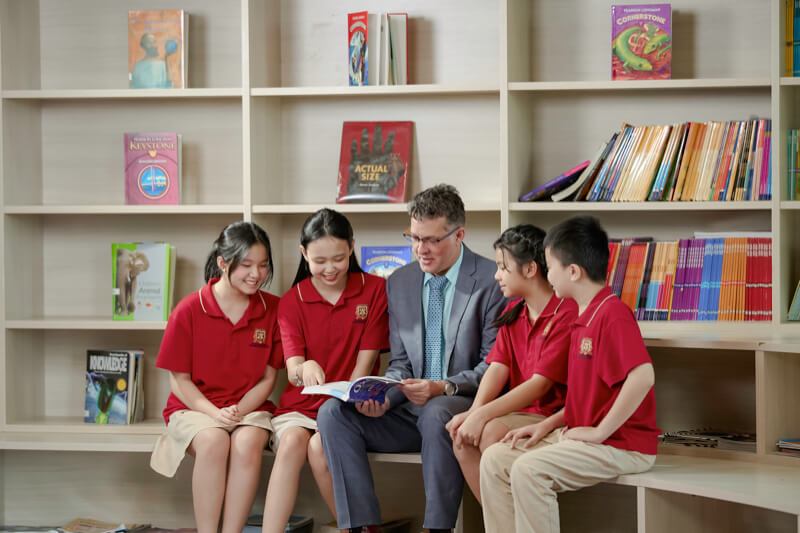
Students become more connected through each activity
2.4. Supporting learning and academic development
Extracurricular activities give students time to rest and recharge after demanding classroom lessons. Taking part in activities they enjoy can support well-being, encourage creativity, and increase engagement in learning.
The skills developed through extracurricular activities can also support students’ academic learning. For example, learning music can be similar to learning a new language and may help stimulate brain development.
According to a study by Texas A&M University cited in the source, students who regularly participate in extracurricular activities may demonstrate stronger literacy and numeracy skills, as well as better academic performance.
2.5. Building a stronger student profile
Extracurricular activities can be one component of a student’s application to some schools and universities, particularly when institutions consider students’ broader interests and experiences. They may also consider how students spend their time outside the classroom and their awareness of social and community activities around them.
Therefore, extracurricular activities not only help students develop their skills and grow personally but can also strengthen their profiles and support their study-abroad goals.
>>> Read more: The VAS Extracurricular Activities (ECA) Programme Empowers Students to Develop Holistically and Unlock Their Full Potential
3. Vietnam Australia International School – VAS
3.1. Overview of Vietnam Australia International School
Vietnam Australia International School (VAS) is a bilingual international school system in Ho Chi Minh City. VAS combines the Vietnamese National Education Programme with Cambridge International education, providing students with a strong academic foundation, practical life skills, and opportunities for intellectual and social development while preserving Vietnamese values.
VAS currently operates six campuses across Ho Chi Minh City:
- Ba Thang Hai Campus
- Hoang Van Thu Campus
- Sunrise Campus
- Riverside Campus
- Garden Hills Campus
- Sala Campus
These campuses feature modern, international-standard facilities and safe learning environments that support students throughout their education.
Alongside its academic programs, VAS offers a range of extracurricular activities that help students explore their interests, develop practical skills, improve their physical fitness, and build confidence.
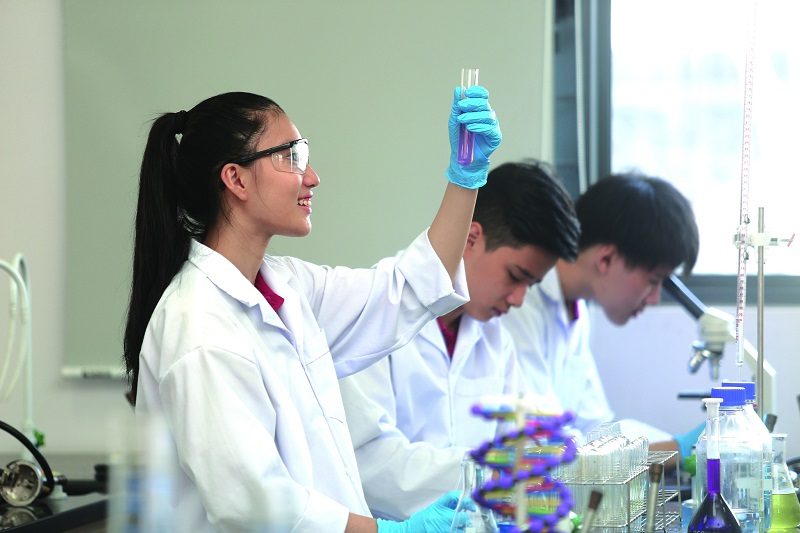
A campus of VAS
3.2. Extracurricular activities at VAS
Understanding the importance of extracurricular activities for students’ well-rounded development, VAS provides sports, arts, skills, outdoor learning, community and talent programmes across different areas.
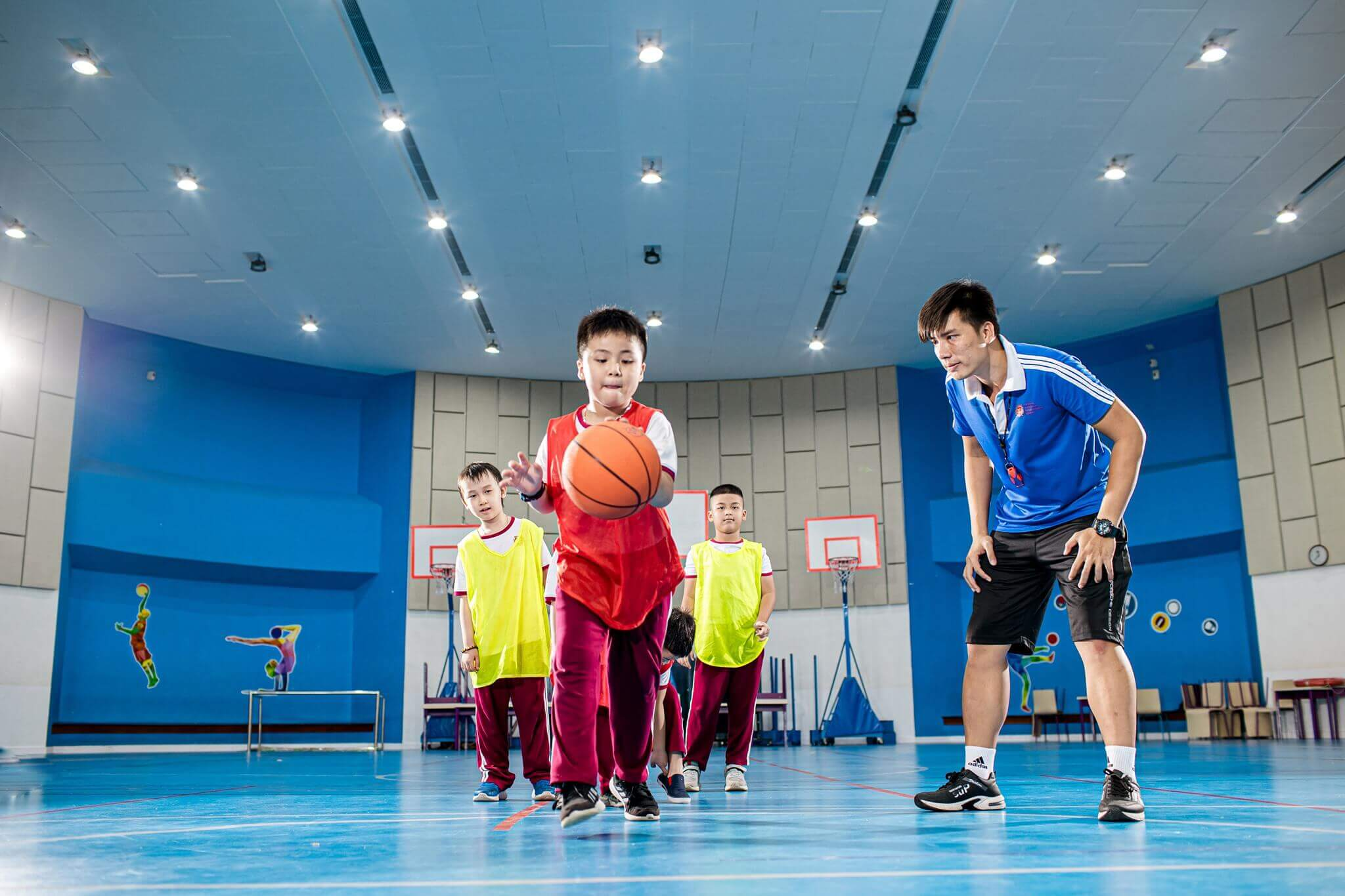
- Sports: Sports activities help students improve their physical fitness, maintain an active lifestyle, and build the energy needed for learning and play at school. Sports activities include football, basketball, table tennis, swimming, Taekwondo, and more. VAS also works with professional training organizations to help identify and develop students’ sporting abilities.
- Arts and creative activities: Arts activities give students opportunities to develop their talents, build confidence, and express themselves creatively. These activities include drawing, guitar, K-Pop dance, drama, and more. VAS also organizes creative events such as Toy Day, where students create handmade models under the guidance of their teachers. These activities help develop creativity and manual dexterity.
Toy Day” at VAS International School
- Intellectual development activities: These activities help students apply what they learn to specific fields through activities such as chess, robotics, and programming/design. This also gives students the opportunity to gain practical experience and find out whether these fields may be suitable for their future careers.
- Social Activities and Field Trips: These activities help students develop a sense of responsibility toward the communities and encourage them to support and help others. Field trips give students opportunities to strengthen relationships with their peers and gain first-hand experiences beyond the classroom.
- Competitions and Talent Programs: To give students more opportunities to gain experience and test their skills VAS regularly organizes large-scale and well-structured competitions such as the English Speaking Contest, VAS Olympic, VAS’s Got Talent, VAS Painting Contest, and more.
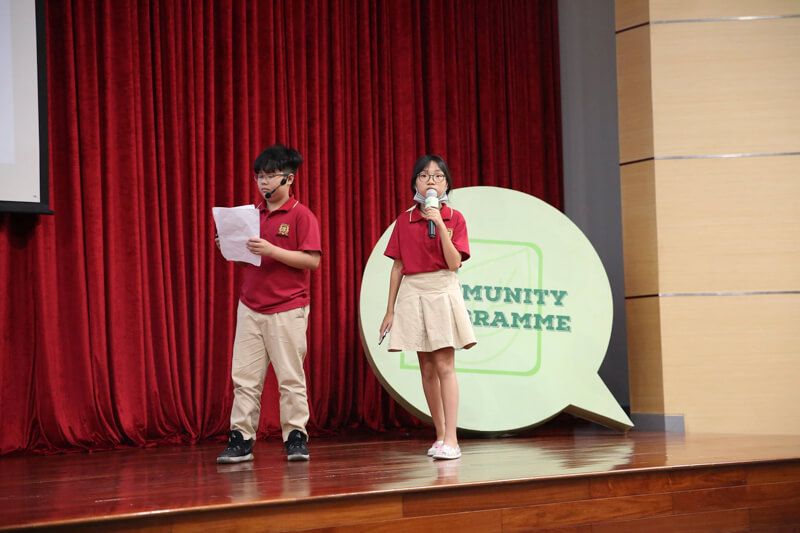
VAS students in the English Speaking Contest
3.3. Student stories about extracurricular activities at VAS
Many VAS students have grown through the school’s extracurricular activities and achieved meaningful progress in their academic journeys and career development.
Huynh Mai Dung, a key member of the VAS Band from its early years, shared:
“Extracurricular activities at VAS helped me grow in many ways—from teamwork and stronger connections with friends and family to time management and confidence in public speaking. Most importantly, the dynamic Vietnamese and British educational environment at VAS helped me adapt more easily to a multicultural workplace in the United States.”
Another example is VAS alumna Nguyen Thuy Quynh, who was actively involved in VAS extracurricular activities before taking on leadership roles in student activities in Singapore.
These stories illustrate how extracurricular activities can help students develop confidence, resilience, initiative, and teamwork skills.
>>>> Read more: Details of Vietnam Australia International School tuition fees
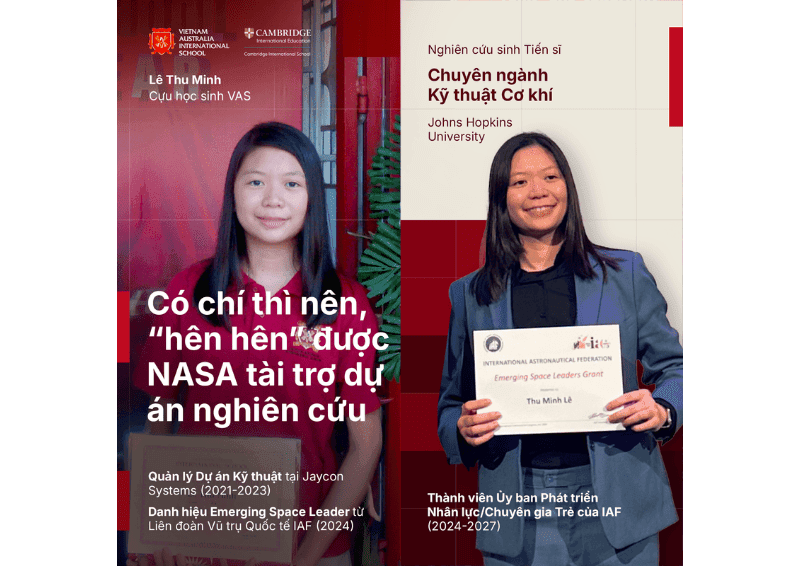
An alumna shares her experience with extracurricular activities at VAS
The information above provides parents with an overview of extracurricular activities at VAS and the benefits these activities can bring to students.
For more information about VAS academic programs and extracurricular activities, parents and students can visit www.vas.edu.vn or contact the hotline at 0911 26 77 55.
>>>> Read more:
9 Tips every parent should know when choosing an international school in Ho Chi Minh City
Top 20 bilingual kindergartens in Ho Chi Minh City that parents should consider