


A compilation of essential life skills lessons for children that parents should know
- What are Life Skills?
- Why is It Important to Teach Life Skills to Children?
- Life Skills Lessons for Children Help Them Develop Holistically
- Some Methods for Teaching Life Skills Lessons to Children
- What are the Principles of Teaching Life Skills to Children?
- VAS - A Leading International School System in Developing Life Skills for Children
- Conclusion
In today’s fast-changing world, academic success alone is not enough. Equipping your child with life skills lessons for children is the key helps them adapt to change, overcome challenges, and grow into confident individuals. In this guide, VAS summarizes essential skills and effective teaching methods to help parents navigate their child's development journey.
1. What are Life Skills?
Life skills are a set of positive behaviors and adaptive capabilities that enable individuals to deal effectively with the demands and challenges of everyday life. Children are not born with these skills; they are built through continuous learning and real-world experiences. In the age of international integration, life skills are the "foundation" for children to grow steadily in a fast-paced world.
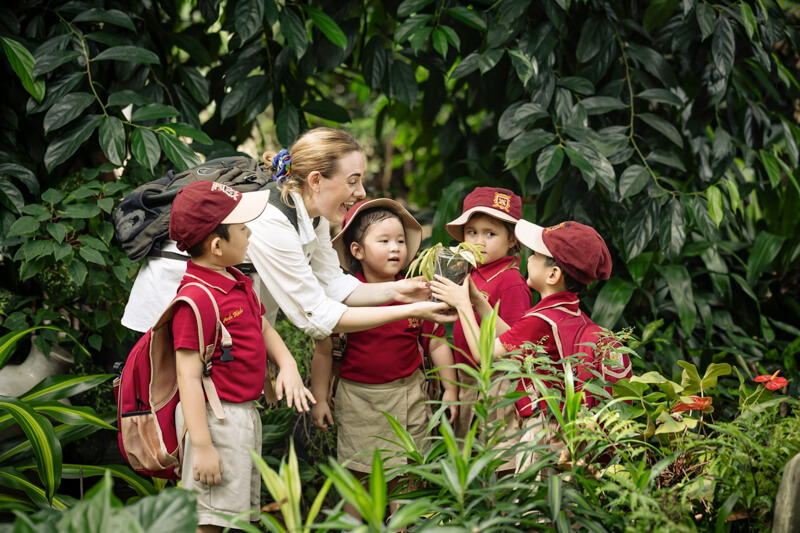
Developing life skills is an important goal in the parenting process
2. Why is It Important to Teach Life Skills to Children?
Training life skills is a vital task as it profoundly influences the formation and development of a child's character. Specifically, equipping your child with life skills lessons for children provides the following comprehensive benefits:
- Helps children develop the skills needed to respond effectively.
- Formation of positive habits and constructive behaviors from an early age.
- Encourages children to take initiative in maintaining their physical well-being.
- Empowers children to protect themselves in dangerous or unexpected situations.
- Fosters a sense of self-reliance, reducing dependency on adults.
- Helps children manage their emotions effectively and confidently express their thoughts and desires.
- Teaches children how to empathize, respect, and love those around them.
- Builds a strong sense of responsibility toward society and the community.
- Promotes an open mindset, making it easier for children to integrate into new environments and make friends.
- Develops the ability to judge, consider options, and make correct decisions.
- Enhances resilience and self-assurance when facing challenges.
- Serves as the perfect foundation for a child's success in both academics and future life.
From these points, parents can see that life skills are indispensable factors when a child enters the world. They not only help children protect themselves and live independently but also instill discipline and the desire to contribute meaningfully to society.
3. Life Skills Lessons for Children Help Them Develop Holistically
To ensure a child's comprehensive growth, parents should focus on these core pillars:
3.1. Emphasize the Power of Reading
Books are an invaluable source of knowledge. Establishing a reading habit helps develop language, emotions, and social skills. It also nurtures patience and self-discipline.
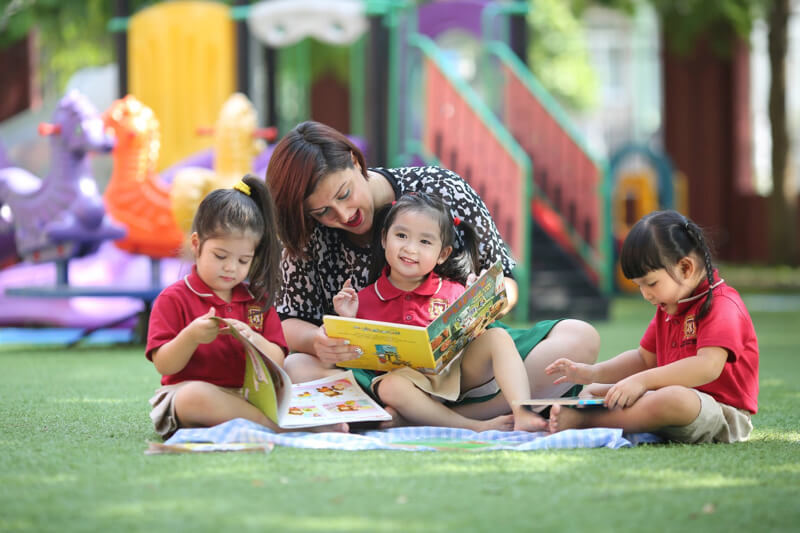
Building a reading habit for children is one of the essential skills
3.2. Social skills
Making friends is one of the most essential life skills that children should be trained in from early childhood. Friendship plays an extremely important role in a person's mental and spiritual life. A lack of social relationships can lead to negative impacts on a child's psychology and overall development. Therefore, parents need to help children form networking and socializing skills through several methods:
- Provide chances for children to meet and interact with their peers regularly.
- Invite your child’s friends over to your home to play, fostering a comfortable environment for bonding.
- Avoid being overly controllinge; instead, encourage open dialogue to help children feel confident in expressing themselves.
- Allow children to resolve their own conflicts or disagreements with friends. If a situation escalates, parents can then intervene to guide the child toward the most appropriate solution.
>>> Read more: 7 effective methods to teach communication skills to children
3.3. Teamwork skills
Teamwork skills help children become proactive in their learning and achieve better academic results. By working in groups, children have the opportunity to learn from their peers, complementing each other's strengths and weaknesses. This process fosters creative thinking, allows personal character to flourish, and builds a sense of responsibility, discipline, and communication confidence. To cultivate teamwork skills, parents can apply the following methods:
- Motivate children to join various clubs and outdoor activities organized by their school.
- Engage children in household chores with their siblings, such as cleaning the house or organizing clothes together.
- Create opportunities for children to play sports that require high levels of cooperation, such as football, basketball, or volleyball.
3.4. Skills in respecting and helping others
Respecting and helping others are noble qualities that define a person's character. Kindness and compassion help children build meaningful relationships, fostering a willingness to support one another during difficult times. Therefore, parents should begin teaching these values as soon as children become aware of the world and start controlling their own behaviors.
Parents can nurture empathy and the habit of helping others through the following approaches:
- Use stories, images, or news about kindness and humanitarian acts to help children understand the concept of love and compassion.
- Encourage them to demonstrate it through practical activities, such as caring for pets (dogs, cats) or participating in local volunteer work.
- Always praise children after every act of kindness or respect. Recognition helps them feel proud of themselves and provides the motivation to further develop their compassionate and benevolent nature.
3.5. Protecting the environment and loving animals
As children begin to form thoughts and an awareness of life, parents should introduce the concepts of environmental protection and animal welfare. It is crucial for children to understand that we have only one planet to live on, and it is our collective duty to protect it.
Parents can foster these values by establishing simple yet impactful daily habits:
- Teach children to care for plants, avoid littering, and practice saving electricity and water.
- Encourage children to participate in feeding pets, taking them for walks, and treating animals with kindness.
Although these actions are small, they significantly enhance a child's sense of responsibility, forming a foundation for noble character and a sustainable mindset for the future.
3.6. Critical Thinking
Critical thinking is one of the most vital life skills that children should sharpen from an early age. The most effective way to build this foundation is by engaging children in diverse open-ended games.
To nurture this skill, parents can apply the following strategies:
- Participate in games with your child and ask inferential questions such as, "What would happen if...?" to stimulate their imagination.
- Allow children to complete tasks on their own. Instead of giving direct answers, provide just enough guidance or suggestions to encourage them to think independently to solve the problem.
- Encourage children to look at a situation from different angles and provide counter-arguments to persuade their parents. This helps them build logic and confidence in their own opinions.
3.7. Basic Self-Defense Skills
To ensure a child's safety when unsupervised, parents must equip them with fundamental self-defense skills. These lessons empower children to recognize risks and react appropriately to protect themselves.
Key safety elements parents should teach include:
- Instruct children on how to react if they are being followed by a stranger or notice suspicious behavior.
- Teach children to be cautious and never blindly trust or follow people they do not know.
- Educate children to be firm and say "No" to any signs of inappropriate touch or potential sexual abuse.
- Train children to stay calm under pressure to think clearly and find a way out of difficult situations.
- Encourage a habit of being constantly observant of their surroundings.
- Provide practical safety rules, such as staying away from electrical outlets, windows, and high-rise balconies, and knowing basic first aid if they get injured.
>>> Read more: 15 essential life skills for 5-year-olds parents must know
4. Some Methods for Teaching Life Skills Lessons to Children
Establishing any skill requires persistent practice and time. Raising a child is no different; building life skills demands patience and cannot be rushed. To ensure the training process is effective, parents should apply the following methods:
- Learning Through Play: Utilize play-based activities to create opportunities for children to apply various skills and knowledge to solve problems.
- Daily Routine Integration: Teach life skills through everyday activities, turning chores and regular interactions into natural learning moments.
- Storytelling and Creative Arts: Use stories, films, and creative activities like role-playing to help children practice navigating hypothetical situations.
- Opportunities for Self-Expression: Create a supportive environment where children feel confident to express their personality and showcase their abilities.
- Observational Learning and Guidance: Parents should stay closely involved by modeling behaviors, providing suggestions, and encouraging children to explore, observe, and discover.
The education of life skills must strike a balance between theory and practice based on specific real-life situations. Continuous real-world experience will turn these actions into habits, helping children gain valuable experience and understand the practical significance of each skill.
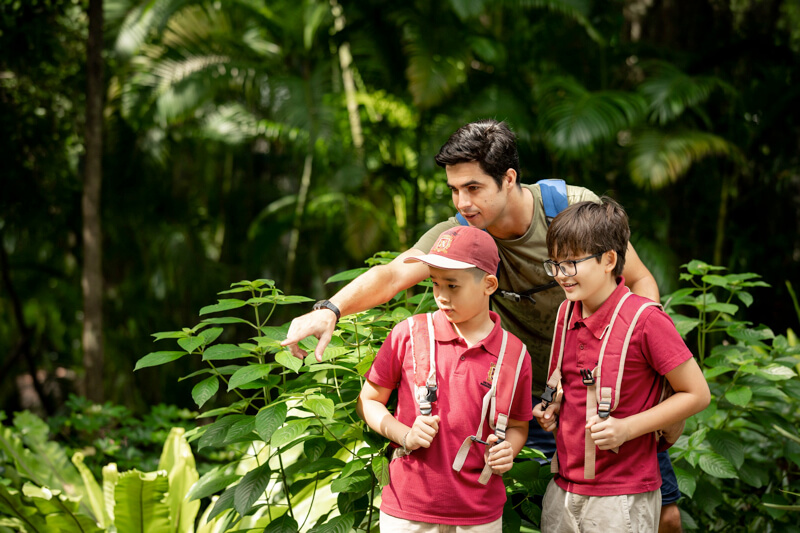
Life skills lessons for children need to parallel theory and practice
5. What are the Principles of Teaching Life Skills to Children?
Beyond teaching methods, parents must adhere to certain core principles to ensure the development process is as effective as possible:
- Avoid Overindulgence: Excessive pampering can lead to habits of dependency and reliance. Over time, this may cause a child to become bossy, selfish, or emotionally fragile.
- Respect Private Space: Parents should not infringe upon a child’s privacy by interfering too deeply in their personal life. Over-interference can make a child feel suffocated and dependent, leading to a loss of self-autonomy.
- Avoid overly strict or harsh discipline, as extreme severity can lead to inhibition, resentment, or even rebellious and aggressive behavior.
- Respecting your child at all times is a powerful way to teach them to respect others. This fosters a polite personality and proper social conduct within both the family and society.
6. VAS - A Leading International School System in Developing Life Skills for Children
At VAS, the training of life skills lessons for children is always a top priority, integrated seamlessly into both core and extracurricular curricula. Specifically, VAS implements a wide range of dynamic activities:
- Diverse Group Activities: Enhances physical fitness while honing teamwork and essential survival skills.
- Enriching Extracurricular Programs: Covering academic fields, literature, painting, sports, cinema, and music, alongside meaningful community projects. Students nurture their talents through large-scale professional competitions, such as:
- VAS Olympics: An annual sports festival featuring basketball, football, swimming, athletics, chess, and more.
- VAS's Got Talent A platform for students to shine through dance, singing, musical instruments, drama, and magic.
- VAS Painting Contest: An annual art competition that allows young artists to express deep community messages through their artwork.
- Experiential Field Trips: Exciting "3 days 2 nights" trips to Da Lat, Ho Coc, Ben Tre, and Can Tho help children improve physical health, develop teamwork, and broaden their worldviews.
- Vocational & Discovery Outings: Vibrant visits to Tiniworld, Kizciti, Dam Sen, Vietopia Vocational City, and Snow Town spark curiosity and a love for exploring the world.
- Summer Camp Programs: Activities like the "Happy Farm" experience help children master motor skills, agricultural basics, and manual dexterity.
- Early Childhood Development: Starting from the Kindergarten level, VAS students are introduced to sports and arts to stimulate physical growth and creative potential.
- Empowered Faculty: VAS continuously strengthens the life skills teaching expertise of its staff through professional workshops, ensuring teachers can best support students in emotional management, self-discovery, and problem-solving.
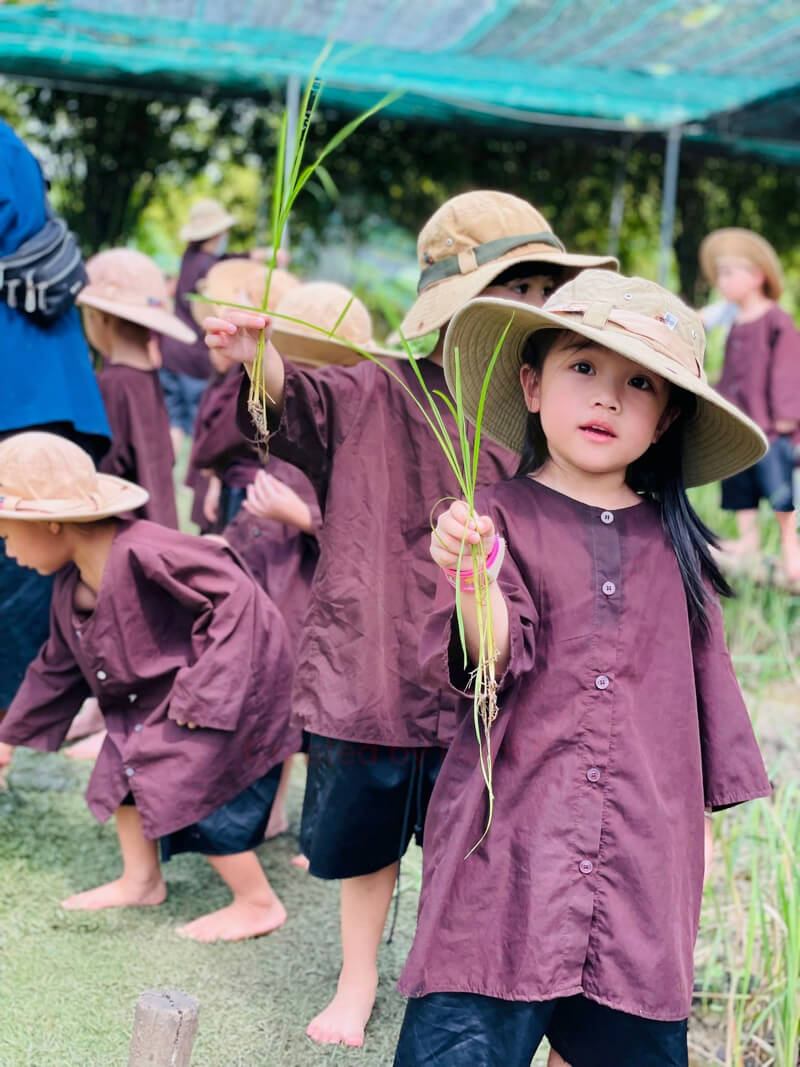
Extracurricular activities at VAS give children the chance to experience life as a farmer
>>> Read more: Details of the tuition fee table for international schools VAS
7. Conclusion
VAS hopes this guide helps parents understand the vital role of life skills lessons for children in building a solid foundation for their future. If you are seeking an international-standard environment to partner with in nurturing your child’s life skills, VAS is the premier choice. With a scientifically designed curriculum and world-class facilities, VAS is committed to shaping well-rounded global citizens of both talent and virtue.
>>> Read more: What are simple and effective ways to teach children independent life skills?