



Top 15 essential life skills for preschool children
- Benefits of developing life skills for preschool children
-
Top 15 life skills for preschool children
- 2.1 Communication skills
- 2.2 Teach children to say thank you and apologize sincerely.
- 2.3 Teach your child to help and respect others.
- 2.4 Self-reliance skills
- 2.5 Self-first aid skills for wounds
- 2.6 Time management and organizational skills
- 2.7 Self-defense skills
- 2.8 Teach children the skill of politely refusing.
- 2.9 Teach children compassion and love for all living things.
- 2.10 Teach children to respect food.
- 2.11 Critical thinking skills
- 2.12 Skills in shopping independently at supermarkets and stores.
- 2.13 Swimming skills
- 2.14 Listening Skills
- 2.15 Skills to help parents with housework
- VAS focuses on developing life skills for preschool children.
The top priority in childhood education is nurturing these young seeds to become future global citizens. Therefore, to become an outstanding global citizen, besides academic excellence, children also need to possess essential life skills. Teaching life skills does not happen overnight; it requires time to plant seeds, monitor, and guide them to develop in a positive direction.
Therefore, from the early years of life, parents need to integrate soft skills lessons into daily life so that the most essential knowledge gradually absorbs into the child's character, thereby forming standard moral values. In the article below, VAS will introduce parents to essential life skills education for preschool children. Please take a look to start training your kids early on!
1. Benefits of developing life skills for preschool children
Developing life skills for children is a necessary task to help them adapt well to their surroundings, become more confident in crowds, and be sociable and friendly. Specifically, practicing life skills will help children develop comprehensively physically, mentally, and cognitively.
1.1. Helping children develop physically
Life skills education for preschool children includes various interconnected activities. Therefore, these skills not only help build character but also serve as a method for children to exercise and develop well physically. For example, during picnics, mountain climbing, or traveling, besides building skills like communication, cooperation, and problem-solving, children also get physical training through team games and exploration walks.
Moreover, the requirements in skill lessons help children practice endurance, perseverance, dynamism, and a readiness to overcome all difficulties and challenges. Having a good physical foundation will help children be more active in many activities, boldly seize new opportunities, and bravely overcome obstacles in life.
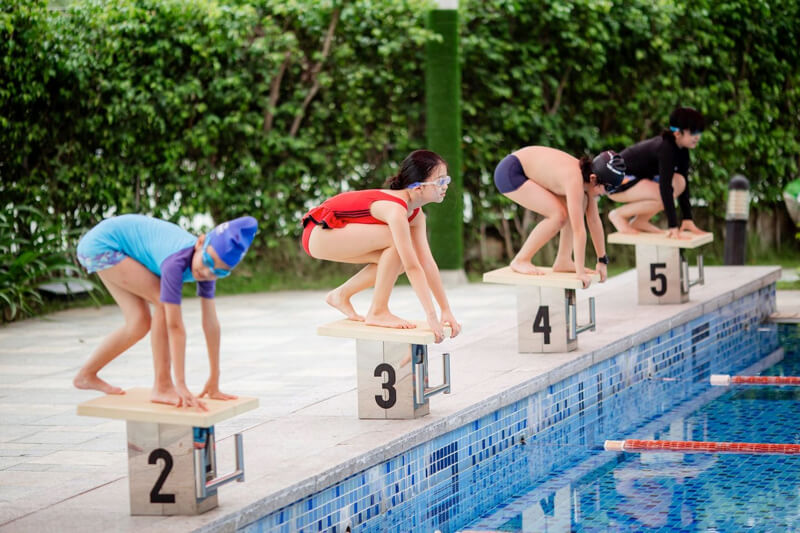
Life skills lessons help children develop physically
1.2. Enhancing children's cognitive abilities
Besides helping children develop physically, the most important goal of life skills education is to enhance their cognitive abilities. Through knowledge of life skills, children will learn how to distinguish right from wrong, view issues more objectively, confidently express their personal thoughts, and respect the opinions of others. When cognitive abilities are enhanced, children will be inspired to explore the world, discover new things, and build love for their families, friends, nature, and the world around them.
1.3. Helping children develop mentally
Life skills lessons also help children build a rich inner world. Specifically, when trained in life skills, children will be inspired to love people and all living things. Furthermore, children are also trained to have a high sense of responsibility for their actions. In addition, these useful lessons help nurture children's gratitude towards their families, teachers, and people around them. This builds forgiveness and tolerance for others, forming gentleness in communication and proper behavior.
2. Top 15 life skills for preschool children
Life skills lessons are very diverse and cover many rich areas. Depending on their age, children need to receive appropriate knowledge. For preschool age, VAS believes that children need to be trained in the 15 life skills below:
2.1. Communication skills
Communication skills are the interactions between the speaker and the listener, including the abilities to listen, convey, and exchange information, thereby giving appropriate responses and reactions. Accordingly, communication is not just listening and speaking but also an art of behavior. Specifically, besides conveying and exchanging information, effective communication helps create a good impression and enhances personal value in the eyes of others.
Therefore, when children are still a "blank page," parents should focus on early communication skills training to form good habits for the future. Parents can start this teaching process with steps like:
- Create a healthy and appropriate communication environment for children.
- No matter how busy you are, make time to talk with your child.
- Build a teamwork environment so children have the opportunity to exchange and develop spoken language.
- Encourage your child to express their thoughts, opinions, and mindset.
- Teach your child how to read poems and tell stories.
- Let children participate in games to stimulate communication.
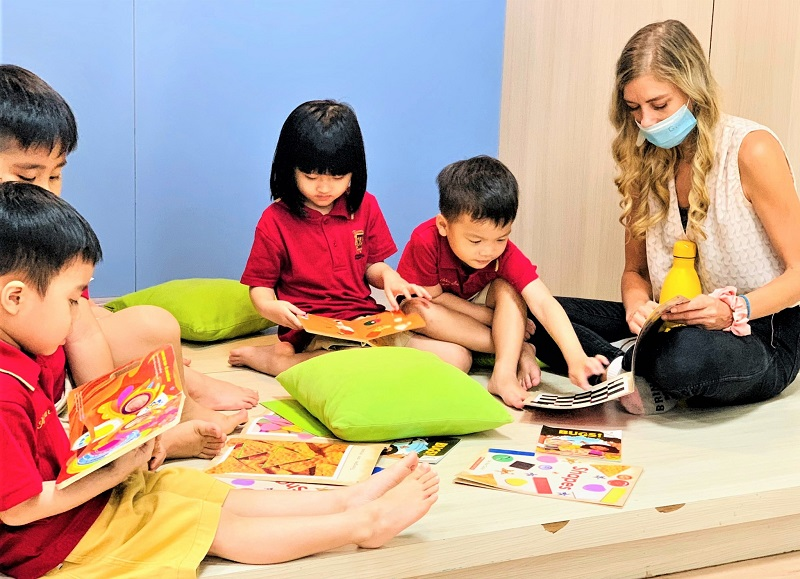
Let children participate in games to stimulate communication
2.2. Teach children to say thank you and apologize sincerely.
It can be said that saying thank you and sorry is the foundation for building a good personality. When they know how to say thank you and apologize, children will be loved and respected by many. Furthermore, this skill helps children realize their mistakes to bravely apologize and take responsibility.
This skill also helps them live more sincerely, thereby building good relationships. To teach children to get used to thanking and apologizing, parents can use the following methods:
- Parents need to be a role model for children to follow.
- Praise your child when they say sorry and thank you at the right time.
- Create diverse situations and teach your child how to behave correctly.
- Teach children to put sincere emotions into every apology and thank you.
2.3. Teach your child to help and respect others.
Teaching children the skill of helping and respecting others is necessary to help them easily integrate into a new environment. Respecting and helping others is a civilized habit and the most humane action a child needs to become a global citizen. Respect includes listening, sympathizing, and understanding. Besides respecting others, parents need to teach children to respect themselves to be more confident in life. To teach your child to help and respect, parents can apply the following measures:
- Become a role model for children to learn from. Especially, parents need to respect the child.
- Praise children whenever they help and respect everyone.
- Remind or discipline the child if they show disrespectful behavior towards others.
- Always keep your promises.
- Teach your child to always stay calm in all situations.
- Encourage the child to identify the cause of the incident to come up with appropriate behavior.
- Educate children about compassion and love.
- Teach children to express love through specific actions.
2.4. Self-reliance skills
When children are young, it seems that all their eating and sleeping activities are supported by parents. However, as they grow up, parents should not be overprotective but need to create opportunities for children to proactively learn and do personal activities on their own. Because parents cannot be with their child 24/7, creating independence early on will promote survival instincts for children.
It not only gives parents more time for themselves, but independence is also a way to stimulate interest in eating and learning, as well as forming the habit of taking responsibility for all their actions. Specifically, parents should follow these suggestions to help their child become more independent:
- Let the child dress themselves daily.
- Let the child feed themselves and drink water on their own.
- Encourage the child to go to the toilet by themselves.
- Teach children to do chores: sweeping the floor, mopping, washing their own dishes, cleaning up toys...
- Let the child practice making friends without parents acting as a bridge.
- Let children participate in sports and arts activities.
>>> Learn more: Things you should know when teaching children self-reliance skills
2.5. Self-first aid skills for wounds
Self-first aid for simple wounds is a basic life skill that parents need to teach their children. Since parents are not always around, knowing self-first aid skills will help children calmly handle injuries, thereby protecting themselves and proactively avoiding dangerous situations that can happen in life.
Accordingly, parents can train their children in self-first aid skills by:
- Teaching children to reassure themselves and calmly find the first aid kit.
- Teaching children how to control bleeding.
- Teaching the child how to handle burns.
In addition, parents need to teach children what to do in emergencies: making phone calls, describing the location, asking for help from people around...
2.6. Time management and organizational skills
Practicing time management and organizational skills will help children use the 1,440 minutes of each day effectively. This forms good habits that easily lead to success in life. Specifically, when a child turns three, parents can introduce them to concepts and ways to manage time. Here are some tips parents can use to help their child develop effective time management skills:
- Let children use wristwatches so they learn to value time.
- Help children step-by-step organize tasks and consider priorities.
- Together with the child, list the tasks to do and estimate the time to complete them.
- Teach your child time management skills through interesting stories: The Tortoise and the Hare, The One-Minute Hedgehog...
- Train children to be disciplined.
- Parents need to be a bright example for their child.
2.7. Self-defense skills
It can be seen that in today's modern life, parents are very busy with work and cannot be by their child's side all the time. Moreover, as children grow up and go to school, they will have to explore the outside world, make friends, play, and experience life on their own. Therefore, equipping children with self-defense skills is essential. Accordingly, parents need to teach their child important contents such as:
- Teach the child to stay away from dangerous objects like knives, scissors, electrical outlets, stoves, fire, balconies...
- How to protect themselves when encountering strangers.
- Teach the child safe traffic knowledge.
- Teach children how to seek help around them: screaming loudly, calling for help from a specific person...
- Teach your child what to do when getting lost.
- Teach the child to memorize their phone number and home address.
- Skills for staying home alone.
- Skills to play safely on their own.
Teach your child to understand the importance of private body parts. Let them know that except for parents and preschool teachers, no one is allowed to touch their body casually, specifically sensitive areas.
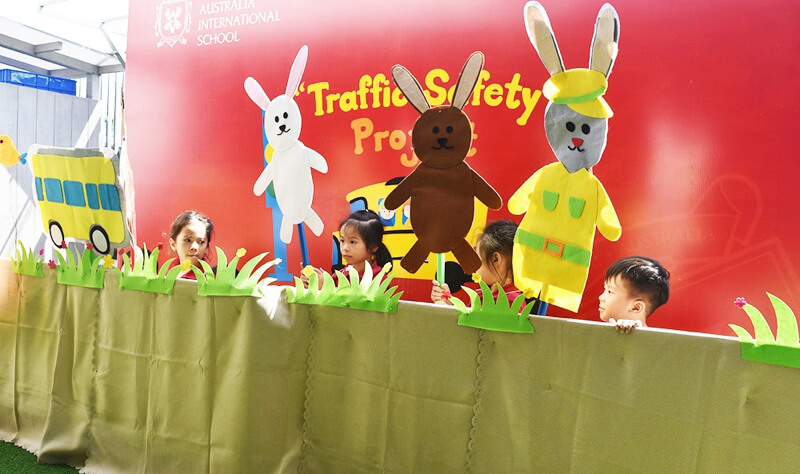
Educating children on traffic safety is a priority
2.8. Teach children the skill of politely refusing.
Refusing is an important life skill that parents need to train their children in early on. It not only helps children avoid dangerous tempting situations, but the skill of refusing also brings many benefits to children in their future life and work. To teach children how to refuse politely, parents can apply the following methods:
- Teach your child the situations where they need to use a refusal.
- Even when refusing, they must say thank you first.
- Do not judge or comment on the gift they want to refuse.
- Say the refusal firmly.
- Help children practice refusing.
2.9. Teach children compassion and love for all living things.
Compassion is the core of personality, the foundation that creates a person's noble qualities. According to psychologists, when children are taught to treat animals and plants well, they will become more sensitive, loving, and empathetic toward the vulnerable as they start school and grow up. Parents can cultivate early signs of compassion and love in the following ways:
- Let the child have a pet.
- Do not discriminate against anyone.
- Encourage children to do selfless acts of kindness.
- Always show loving actions toward your child.
- Take the child on charity trips (on their birthday, you can go doing charity with them so they understand the happiness of giving on a special day).
- Feed animals, water plants, and prune leaves together with your child.
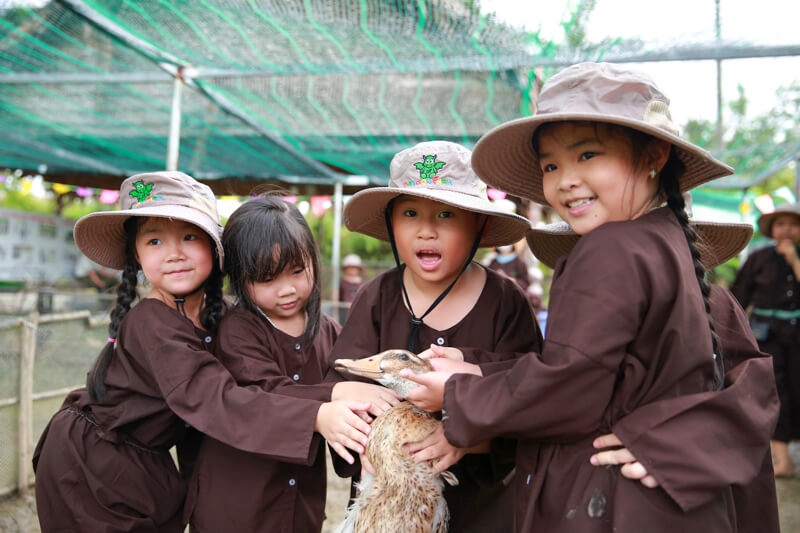
Let children interact with animals to evoke love
2.10. Teach children to respect food.
Food waste is a major concern today. It is not just about wasting meals, but teaching children to respect food helps them respect the value and effort of those who made it. The key to helping children avoid wasting food is to form healthy, happy, and simple eating habits for them. To achieve this, parents should consider the following ways:
- Teach children about the origin of food.
- Adjust the child's picky eating habits.
- Teach the child to eat selectively.
- Present dishes beautifully to stimulate the child's eating inspiration.
- Go to the kitchen with the child so they understand how hard it is to make a meal.
2.11. Critical thinking skills
Critical thinking is an important skill that helps children be more proactive in receiving information. They can analyze and evaluate problems more carefully. From there, children can easily think and find counter-arguments to verify the accuracy of the information. This skill will help children master their own views and knowledge. To train critical thinking skills, parents should apply these suggestions:
Make children understand that critical thinking does not mean they are allowed to talk back to adults, stubbornly defend their own opinions, or argue stubbornly just to win. Parents should teach the child how to provide logical and clear counter-arguments with the ultimate goal of clarifying the issue and affirming the accuracy of the information.
- Encourage your child to think in different directions.
- Encourage children to debate and persuade their parents.
- Teach your child how to analyze problems step by step.
- Frequently ask your child questions like "What do you think will happen?" or "Do you think so?".
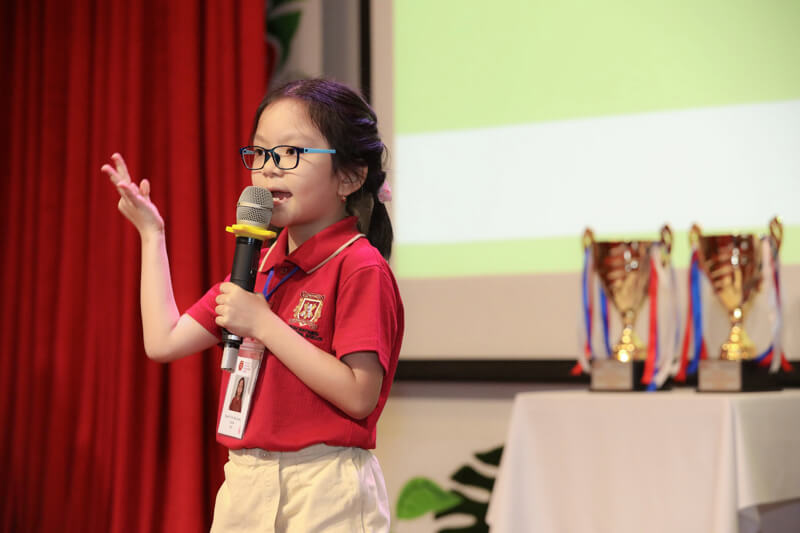
Critical thinking is an important skill to train for children
2.12. Skills in shopping independently at supermarkets and stores.
The skill of going to the supermarket independently is also one of the important lessons parents can train for their children. To make this process natural and effective, parents should let their child directly experience and practice it regularly. Here are a few ways parents can use to teach their children:
- Recognize items and product locations in the supermarket.
- How to choose necessary products for themselves and their family.
- Practice making a list and shopping according to the list.
- Teach your child supermarket rules such as lining up to pay, not opening products before paying, not damaging or peeling off product labels, not joking or causing disorder in the supermarket, and not being demanding while shopping...
- How to handle difficult situations in the supermarket, such as what to do when getting lost...
2.13. Swimming skills
Swimming is considered one of the most important skills parents need to equip their children with from preschool days. Not only does it help them protect themselves, but swimming is also a rewarding sport that helps children exercise, grow taller, and have a balanced body. In addition, this sport also helps improve focus, enhance cognitive abilities, and improve sleep for children. For your child's swimming lessons to be safe and effective, parents need to note the following issues:
- Enroll the child in appropriate swimming classes.
- Always keep the child within a safe viewing range.
- Have the child wear a life jacket.
- Let the child approach age-appropriate swimming methods.
- Prepare necessary items when taking the child swimming.
- Maintain good personal hygiene for the child after swimming.
- Let children learn gradually; do not force or yell too much, which will make them feel scared.
2.14. Listening Skills
Listening is an important life skill. It not only affects surrounding relationships but also contributes to children's future success. This is because people with listening skills often know how to accept feedback and learn from others. Therefore, parents need to train their children in listening skills early on to help them receive positive benefits in learning as well as in social relationships. So how to teach your child listening skills? Parents can use these methods:
- First, parents need to explain to children why they need to learn to listen.
- Parents need to be good listeners first so children can follow.
- Do not raise your voice at children.
- Let children participate in listening games like the whispering game, "follow the rhythm" game...
- Teach your child eye contact skills.
- Teach the child not to interrupt or cut in when someone else is speaking.
- Parents need to spend time learning to listen with their children.
2.15. Skills to help parents with housework
Instead of being overly protective and spoiling them, parents need to teach their children how to do housework so they can learn more interesting life skills. Having housework skills will help build a solid foundation for children to adapt and integrate into the big world outside. Furthermore, helping parents with household chores helps children develop independence, become more responsible, while also developing their thinking and strengthening family bonds. To make children obediently help parents with housework, parents can use the following methods:
- Help children understand the importance of doing chores.
- Create excitement for children when doing chores with praise, encouragement, or letting them listen to music while working, and using a sticker board to make tasks more fun.
- Make a reasonable plan for each task.
- Choose tasks appropriate for the child's age.
- Gently guide the child; do not yell if they accidentally break something or do the task incorrectly.
>>> Read more: 23 Essential Skills Children Should Learn Before Entering First Grade
3. VAS focuses on developing life skills for preschool children.
It can be said that one of the educational goals at VAS is to strive to nurture each student to develop comprehensively. Besides academic knowledge, the VAS curriculum also provides students with essential life skills to help them become agile in problem-solving and ready to face all challenges in life. Moreover, VAS also wants to build a solid psychological and social foundation for each student so they can make their own decisions and take responsibility for their actions. Specifically, VAS has built many useful learning programs to develop life skills for preschool children, such as:
- Building after-school extracurricular clubs: VAS has partnered with the most professional coaching organizations to host after-school activities like swimming, dancing, cooking, yoga, climbing, soccer, basketball... These classes not only help kids have fun and exercise but also improve their talents and develop essential life skills like communication, independence, self-protection...
- Organizing practical field trips: VAS regularly organizes exciting field trips like "farmer" life experiences, kayaking, and obstacle courses at fountains. This series of useful activities helps children gain new knowledge while honing essential life skills, motor skills, and teamwork. This creates more joy and beautiful memories with friends.
- Hosting life skills education seminars: VAS frequently holds seminars like "Family - The Cradle of Personality" to share with parents the importance of life skills education for children and provide useful information about essential skill lessons parents can train at home. This creates a strong bridge between the family and the school in teaching skills to children.
- Practical hands-on lessons: VAS also focuses on training good virtues for students through interesting subjects like cooking. Through classes in the VAS kitchen, children gain knowledge about nutrition, which helps them become confident and independent, practice dexterity, and appreciate food and people's labor...
- Organizing self-defense education sessions: VAS regularly implements community projects like "Joining hands to protect children from sexual abuse." The program's content helps students recognize unsafe situations, private body parts, and how to deal with dangerous people and situations.
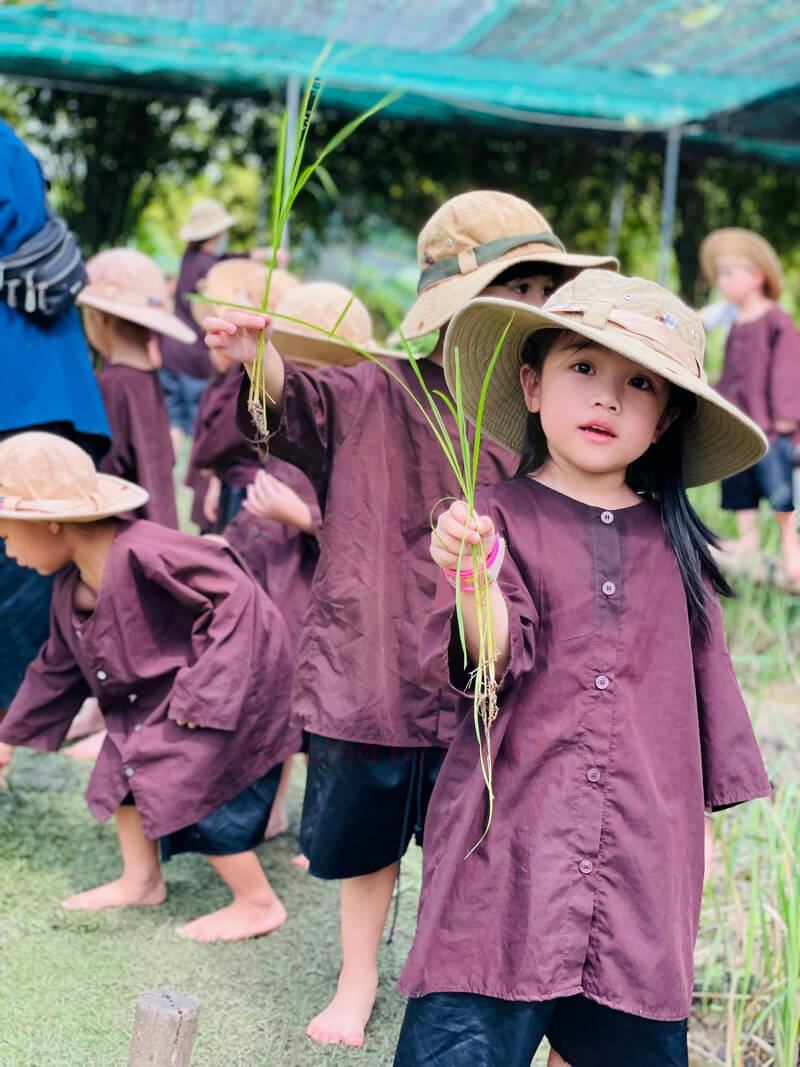
VAS focuses on developing life skills for preschool children through useful field trips.
Developing life skills education for preschool children is extremely necessary and requires patience, gentleness, and comprehensive attention. Therefore, coordination between the family and the school is important to help observe and support children promptly.
>>> Read more: Discover in detail the current tuition fees for VAS bilingual preschool
If parents are looking for an International school with an educational program that focuses on both academic knowledge and life skills training for children, VAS is a name worth considering. Please contact the hotline 0911 26 77 55 if parents want to learn more about the teaching path and tuition fees at VAS!
>>> Read more:
What Should a 5-Year-Old Child Learn for Holistic Development?