


What Is Career Orientation? 9 Steps to Plan Your Future Career Path
- What is career orientation?
- Benefits of future career orientation
- The role of future career orientation
-
9 Steps to Help You Plan Your Future Career
- 4.1 Identify Your Interests and Strengths
- 4.2 Consult Family Members or Experienced People
- 4.3 Consider Carefully Before Making a Choice
- 4.4 Overcome Challenges from Family or Society
- 4.5 Learn About Different Careers in Society
- 4.6 Identify Your Strengths
- 4.7 List the factors you want in a career
- 4.8 Develop essential soft skills
- 4.9 Explore and gain experience
- Things to consider when planning your future career
- Personality tests that can help you choose a suitable career path
- Vietnam Australia International School (VAS) and Its Approach to Future Career Orientation for Students
In a constantly developing society, the labor market continues to change, with many new careers emerging. Because of this, future career orientation has become increasingly important for every individual, especially high school and university students.
Choosing the right direction helps students set clear goals, understand which fields and careers may suit them, and build an effective learning and personal development plan. So, what is career orientation, and why is it necessary? Let’s find out in the article below.
1. What is career orientation?
Career orientation is the process in which each person identifies suitable career options for their future. These choices should match their abilities, interests, personality, family circumstances, and other related factors such as expected income and job opportunities.
A career is often a long-term path and may even stay with a person throughout their life. Therefore, while still in school, high school students should learn how to plan their future career direction. This can help students choose a suitable major and school, while also reducing the time needed to find the right job after graduation.
2. Benefits of future career orientation
Career orientation helps individuals become more proactive and brings many practical values to their lives. Below are some clear benefits of having a well-defined career direction.
2.1. Identifying your career path and goals
Having the right career orientation helps students choose a profession that matches their interests, personality, and abilities. It can also encourage passion and continuous learning, helping students achieve better results and build their personal value in the future.
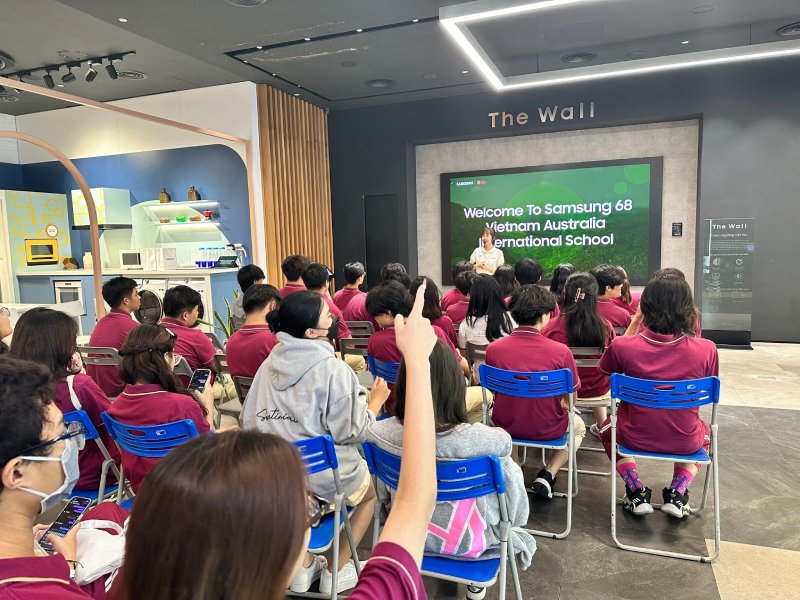
Future career orientation for students is one of the important tasks today
2.2. Improving quality of life
Early career orientation gives students more time to practise, study, research, and build the knowledge and experience they need. It can also expand their opportunities and shorten the path to finding a suitable job after graduation.
Having a good career that suits your abilities and interests can help you become more financially independent and build a more stable life. In addition, choosing the right career path can open up more opportunities for advancement and help improve your overall quality of life.
2.3. Improving productivity and work efficiency
Choosing a suitable career can motivate each person to keep striving for better results at work, which helps improve productivity. On the other hand, doing a job that you do not enjoy or feel truly passionate about can make it easier to become discouraged and give up when facing difficulties.
This not only affects businesses but can also influence the wider labor market, including workforce shortages or oversupply in certain fields. Therefore, future career orientation plays an important role in building an effective workforce, improving productivity, and contributing to economic development for businesses and the country as a whole.
2.4. Creating positive motivation at work
Choosing a suitable career can make each working day feel more enjoyable and meaningful. When people feel comfortable and interested in what they do, they are more likely to stay motivated, think creatively, and contribute more actively to their work.
3. The role of future career orientation
Future career orientation plays an important role not only for each individual but also for society. When students have a clearer career direction, human resources can be developed and distributed more effectively across different fields.
3.1. Helping human resources be better allocated
One important role of future career orientation for students is that it helps human resources in society be distributed more appropriately across different fields. This can help reduce workforce imbalance and avoid the situation often described as “too many graduates, too few skilled workers.”

Career orientation for students helps human resources be allocated more effectively
3.2. Contributing to National Economic Development
When human resources are distributed more appropriately across different fields, industries can grow more effectively and create greater productivity for society. As industries develop, they also contribute to the overall growth of the national economy.
4. 9 Steps to Help You Plan Your Future Career
Below are 9 important steps that can help you choose a suitable career path more easily.
4.1. Identify Your Interests and Strengths
Choosing a career is an important decision because it may stay with you for a long time. Therefore, you should take time to think carefully before making a choice.
To begin building a clear career direction, ask yourself:
- What are your strengths?
- What are your interests?
- What are your natural abilities?
- What do you hope to achieve in the future?
Listening to your own interests and goals can help you choose the right major and career, while avoiding the mistake of simply following trends or other people’s choices. Today, the unemployment rate caused by choosing majors based on trends can reach up to 80%, which is a concerning number.
4.2. Consult Family Members or Experienced People
If you have not clearly identified your abilities or do not know how to plan your career path, you can seek advice from your family, teachers, or experienced people. They may have gone through a similar stage before and can give you useful guidance when choosing a suitable career.
In addition, family and school are the environments that have accompanied you closely during your growth. Therefore, parents and teachers may understand your personality, strengths, and weaknesses quite well. Their advice can give you valuable and practical suggestions to help you choose a future career more carefully.
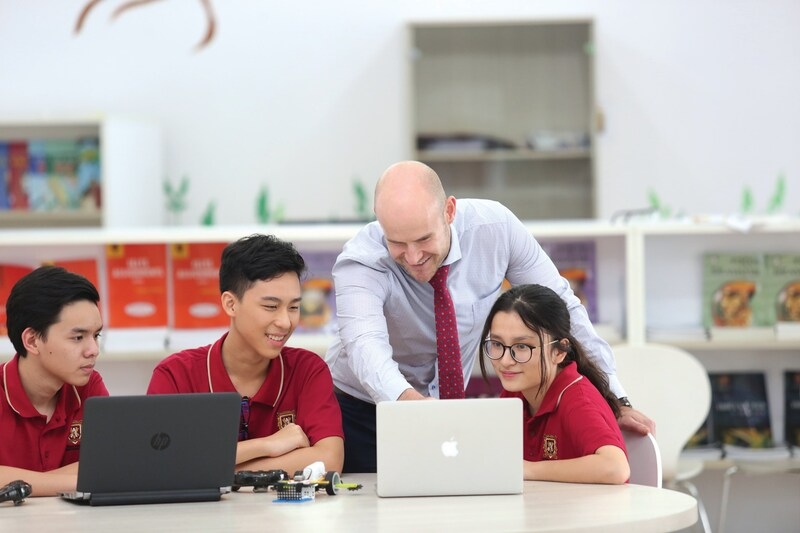
Consulting teachers can help students gain useful career guidance
4.3. Consider Carefully Before Making a Choice
Having passion for a field or a dream career is a good thing. However, every profession has its own characteristics and requirements. For example, some fields may require good physical health, appearance, communication skills, or other specific abilities. Therefore, you should research and consider carefully before choosing a career path.
If you do not yet meet the requirements of your desired profession, you still have time to study, practise, and improve yourself. A practical way to start is to list the careers you are interested in or feel suited for. Then, write down the characteristics and requirements of each job and compare them with your current skills and personality.
Through this process, you can better understand which career may suit you best and what areas you need to develop further.
4.4. Overcome Challenges from Family or Society
Although society is becoming more developed and people have greater access to information, technology, and media, some families still hold unsuitable views about career orientation.
For example, some families may expect children to follow the traditional career path of previous generations, choose a major based on parents’ wishes, or pursue a “hot” job because it seems to offer a high income. However, they may not fully consider whether the child is suitable for or truly interested in that career.
When choosing a career, you should have your own perspective and avoid depending too much on family expectations or outside opinions. You can listen to advice and learn from others’ experiences, but you should not let someone else make the decision for your life. After all, no one else can live your life or do the job you choose on your behalf.
4.5. Learn About Different Careers in Society
You should spend time learning about different careers in society to expand your options. Even if you are passionate about a certain field and have talent in it, that field may still include many smaller career paths.
For example, if you love English and are good at it, English-related careers may include:
- Translation and Interpretation
- English Teaching
- Business English
- English for International Relations
Each of these paths requires different English skills and professional knowledge. Therefore, learning about related careers can give you more choices. If one job does not fully match your abilities or goals, you may still find another option that suits you better.
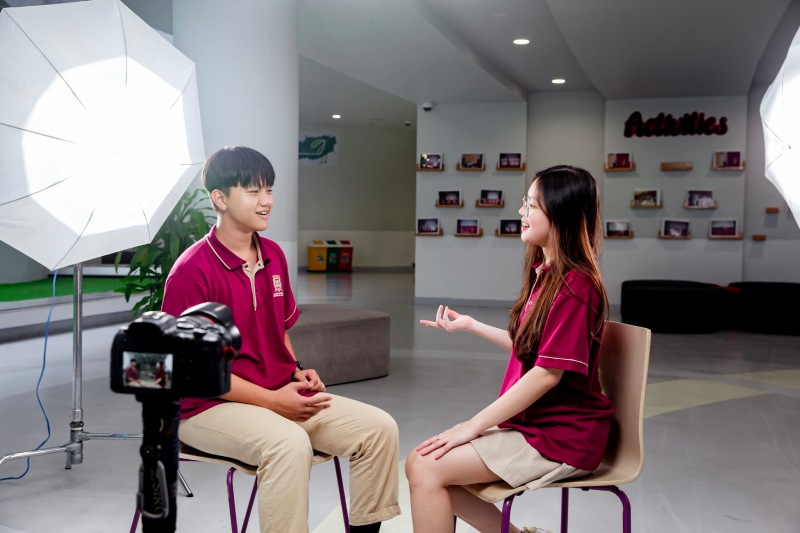
Researching and experiencing different fields can help students choose a more suitable career
4.6. Identify Your Strengths
Ask yourself questions and answer them honestly to identify your strengths and abilities:
- What do you enjoy doing?
- Which tasks do you do best?
Sometimes, the job you want may not be the job you can do best. On the other hand, when you are good at something, you may gradually develop an interest in it and spend more time learning and improving. These questions can help you discover the strengths you already have and give you a clearer basis for future career orientation.
4.7. List the factors you want in a career
After identifying your strengths, you should also think about the factors you expect from a future job. You can ask yourself questions such as:
- Do you enjoy working in a dynamic environment?
- Do you like jobs that involve frequent communication?
- Do you prefer working alone or in a team?
- Do you prefer a job that requires moving around, or one that mainly takes place in an office?
These questions can make career planning easier. They also help you understand the skills you already have and the areas you may need to improve.
4.8. Develop essential soft skills
After identifying your future career and the professional skills required for that field, you should also focus on developing soft skills. Professional knowledge accounts for 30%, while the remaining 70% depends on the soft skills you have learned and developed.
You can join soft skills courses or participate in school clubs to practise important skills such as problem-solving, adaptability, communication, and teamwork.
4.9. Explore and gain experience
To better understand yourself and the working world, you can look for part-time jobs while still in school to gain more experience. The job does not necessarily have to be related to the major you are planning to choose. You can also choose jobs that give you more real-life interaction with society, helping you gain a broader view of different careers.
Experiencing different jobs and positions can help you better understand career realities and discover more about yourself. From there, you can make timely adjustments to your future direction when needed.
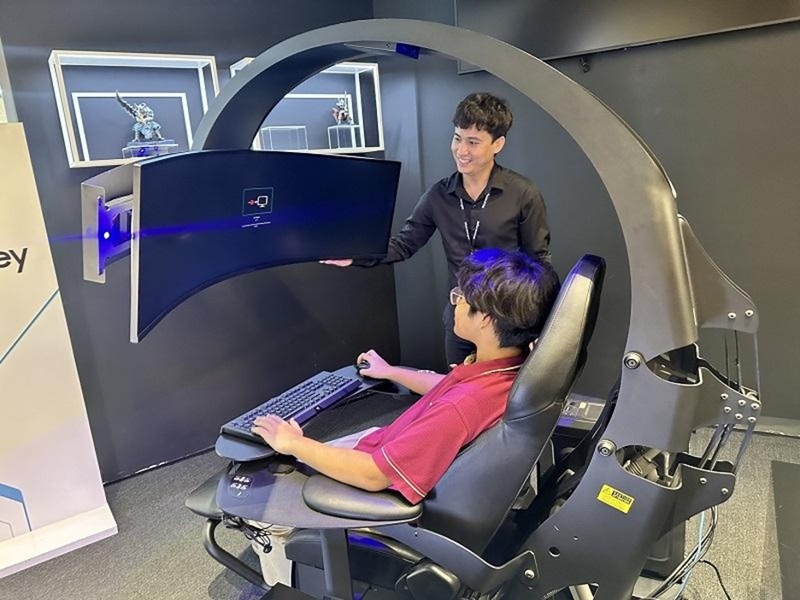
Students are encouraged to experience different careers to make more suitable choices
5. Things to consider when planning your future career
Besides following the steps above, you should also keep several important points in mind to avoid making the wrong career choice.
5.1. The final decision should be yours
Everyone has different passions, interests, and abilities. Choosing a suitable career can help you feel more satisfied and may also bring greater success and happiness at work.
If you have not clearly identified your career goals, it is completely fine to ask experienced people for advice. However, their experience should only be used as a reference to help you gain a broader perspective on different careers. The final decision should still be based on your own confidence, abilities, and goals. You should not let outside pressure influence your decision.
5.2. Do not follow the crowd
Many students today tend to choose careers based on trends. This means choosing a major simply because it is popular at the moment, without carefully considering their own abilities or real passion for that field.
When choosing a career, you should also consider your family’s financial capacity, your ability to pursue the field in the long term, and the needs of society. For example, Information Technology, Business, and F&B are popular fields today. However, if you are truly passionate about painting and the arts, forcing yourself to follow these trends may not be the right choice.
Choosing an unsuitable major can make you lose motivation along the way. Without real interest or passion, it is easy to feel discouraged and want to give up when facing difficulties.
6. Personality tests that can help you choose a suitable career path
Today, there are many online personality tests that can help you better understand your personality and explore careers that may suit you. Below are some popular tests that many young people use to support their future career orientation:
- MBTI Personality Test: A well-known personality test used worldwide in career exploration. MBTI divides personalities into 16 groups and can give users a more complete understanding of themselves, suitable career fields, and even useful life advice.
- Good&Co Career Quiz: This test uses your answers to identify your strengths, weaknesses, personality traits, and knowledge, then suggests the types of work that may suit you.
- The Creative Type: This test helps you discover which of the 8 creative types you belong to, such as The Artist, The Deep Thinker, The Idea Generator, The Maker, The Realist, The Dreamer, The Innovator, and The Visionary.

Personality tests can help students find career paths that better match their traits
- CareerExplorer by Sokanu: This test includes 3 sections that help you explore future career options from a system with more than 5,000 available careers.
- Holland Code Test: This test helps identify your personality type and the work environment that may suit you.
- Buzz Quiz: This test compares your personality with different animal groups. For example, if you have cat-like traits such as curiosity, sensitivity, care, flexibility, and intelligence, you may be seen as a good listener and a responsible person. From there, the test may suggest career groups that match your personality.
- DISC Test: This test helps identify which of the 4 personality groups you tend to belong to, such as confidence, competitiveness, leadership tendency, and straightforwardness, thereby supporting better future career orientation.
7. Vietnam Australia International School (VAS) and Its Approach to Future Career Orientation for Students
7.1 Organizing Workshops, Sharing Sessions, and Career Counseling Activities
Understanding the important role of future career orientation for students, VAS regularly organizes career guidance activities and workshops. These activities help students learn more about different industries and fields, allowing them to build a learning plan that better matches their interests and passions.
In addition, the school conducts career personality surveys for middle and high school students to help them understand themselves better. Students also have opportunities to join sharing sessions with career counseling experts. Study abroad seminars and university information sessions are also held regularly. Once students have identified their preferred direction and school, VAS provides support to help them prepare for future learning and success.
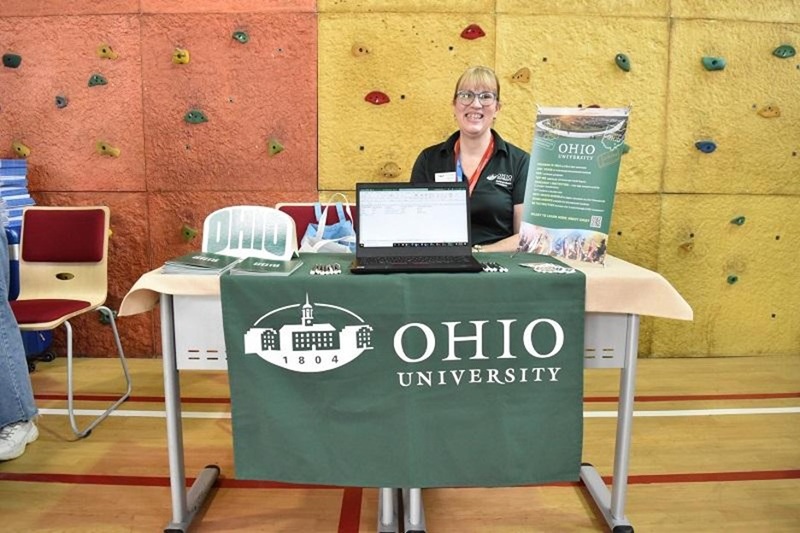
VAS regularly organizes career counseling and study abroad workshops
VAS currently has the University and Placement Career Counseling Center (UPCCC) at six campuses. This center supports students in career orientation and helps address the concerns of many parents with children in middle and high school. For students from Grade 8 to Grade 12, the center provides services such as:
- Personal career counseling: In-depth and personalized counseling for each student, helping them identify suitable career goals based on their interests and abilities.
- Data analysis tools: UPCCC provides tools to help students identify suitable study programs, career paths, and universities as a foundation for career planning.
- Application support: Guidance and support in preparing documents and completing procedures for admission to universities in Vietnam and abroad.
7.2 Equipping Students with a Solid Foundation of Knowledge
From Grade 9 to Grade 12, secondary students at VAS are equipped with knowledge through a program designed in line with the Cambridge IGCSE curriculum. This helps students study in a challenging environment, improve their adaptability, and prepare to become global citizens who are ready for today’s demanding job market.
At VAS, students learn practical knowledge connected to real life through subjects such as Information Technology, Digital World, Computer Science, Business, Economics, and Global Perspectives. In this school year, VAS has also added talent-oriented subjects such as:
- Art and Design in the CAPI pathway for Grade 9, including knowledge of 2D and 3D modeling.
- Psychology in the CAPI pathway for Grade 11, helping students learn basic concepts and research methods in psychology.
- Design Thinking, which helps students develop creative thinking and apply what they have learned to real-life situations.

Experiencing interesting subjects at VAS helps students discover their own passions
VAS is also known for offering a bilingual learning environment with a strong focus on English exposure. This shows that VAS aims to create favorable conditions for students to develop the knowledge and skills they need for future study, work, and life.
>>> Read more: Details on tuition fees at Vietnam Australia International School - VAS
The educational environment at VAS not only provides academic knowledge but also helps students discover their abilities and build a more suitable career orientation.
To learn more about the educational environment and career counseling activities at VAS, parents and students can visit www.vas.edu.vn or contact the hotline at 0911 26 77 55.
>>> Read more:
10 Effective ways to guide high school students in choosing the right career path
List of 21 high-quality international schools in Ho Chi Minh City