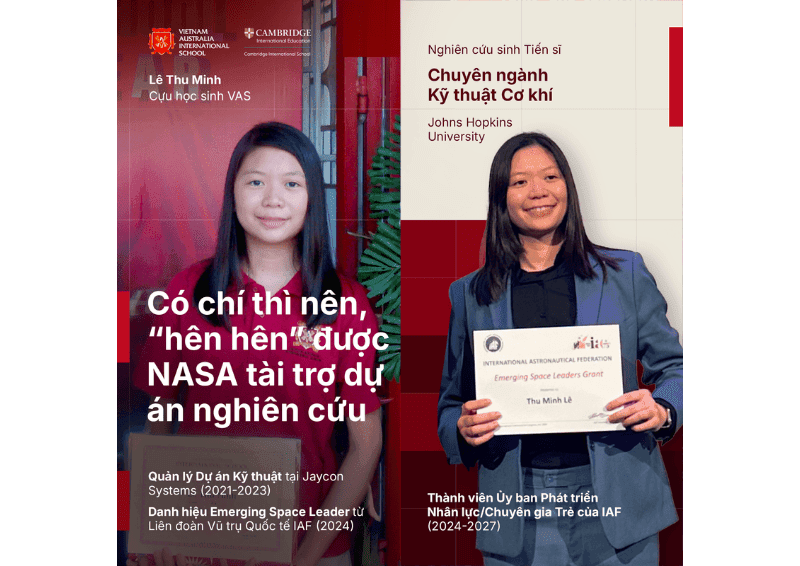



10 Effective Ways to Provide Career Orientation for High School Students: Choosing the Right Path
- Why Is Career Orientation for High School Students Essential?
- When is the Right Time to Provide Career Orientation for High School Students?
-
10 Steps to Help High School Students Choose the Right Career Path
- 3.1 Understand Yourself
- 3.2 What are your hobbies and passions?
- 3.3 Assessing Personal and Financial Alignment
- 3.4 Analyzing Future Human Resource Trends
- 3.5 Conducting In-Depth Research on Your Chosen Profession
- 3.6 Building an Academic Portfolio Tailored to University Requirements
- 3.7 Gaining Practical Experience in Your Chosen Field
- 3.8 Developing a Plan B
- 3.9 Navigating Family Expectations and Barriers
- 3.10 Skills students need to acquire
- Things to Avoid When Choosing a Career Path
- Career Orientation for High School and Middle School Students at VAS
-
Top Careers with Strong Future Growth Potential
- 6.1 Information Technology
- 6.2 Medicine and Healthcare Industries
- 6.3 Marketing Industry
- 6.4 Service Industry
- 6.5 Robotics industry
- 6.6 Genetics
- 6.7 Cybersecurity
Career orientation for high school students has become increasingly important for both parents and students. Early career guidance can help students better understand their strengths, interests, and future career options. It also helps students build a clearer learning plan and make more suitable decisions for the future. Below are practical career orientation methods and guidance programs introduced by VAS.
1. Why Is Career Orientation for High School Students Essential?
Many international education systems have paid attention to career orientation for high school students for a long time. Some schools even include career guidance programs in both official courses and extracurricular activities. This allows students to learn about suitable career paths while they are still in school. In Vietnam, career orientation for students has only received greater attention in recent years.
Early career orientation can provide several benefits:
For Students: Helping Students Plan for the Future
- Early career orientation helps students build a clearer academic plan.
- Students can better develop their strengths and abilities, creating more opportunities in study and future work.
- It helps save time and money by choosing a suitable field of study earlier.
- Students become more confident when choosing a career after Grade 12 or university graduation.
- Choosing the right field can help students achieve better career opportunities in the future.
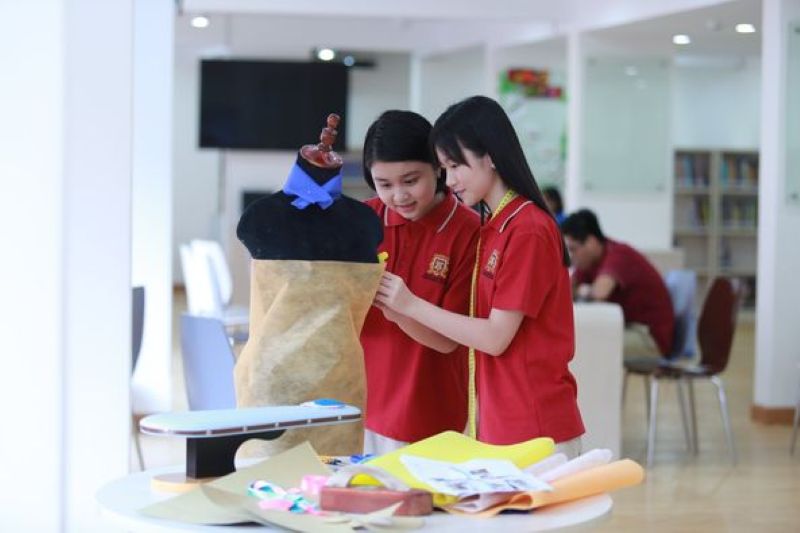
Early career orientation helps students easily plan their studies to achieve good results
For Businesses:Building a More Suitable Workforce
- Human resources can be used more effectively in different departments and job positions.
- Businesses can recruit more workers with suitable expertise.
- It helps reduce labor shortages and workforce imbalance across industries.
- It minimizes employee turnover caused by unsuitable job choices.
For Society: Balancing the Labor Market
- It helps balance the labor market and reduce workforce imbalance in Vietnam.
- It helps avoid labor shortages or oversupply in certain industries.
- It contributes to improving quality of life.
2. When is the Right Time to Provide Career Orientation for High School Students?
Many people believe that high school is the most suitable time for career orientation because it is the final stage of general education. At this age, students become more mature and gradually understand their abilities, strengths, and interests more clearly. As a result, parents and schools can more easily support and guide students in choosing a suitable career path for the future.
During high school, students also begin paying more attention to their future through information from television, newspapers, social media, and people around them. In addition, many schools now organize different career orientation activities such as:
- Providing guidance for university applications.
- Updating students with admission and enrollment information.
- Organizing extracurricular activities such as factory visits or farm trips to help students better understand different professions in real life.
Although high school is considered an important period for career orientation, there is no exact “golden time” for career counseling. In reality, the earlier career orientation is introduced, the more benefits students can gain compared to those without early preparation.

Career orientation for students as early as possible
3. 10 Steps to Help High School Students Choose the Right Career Path
Choosing a future career can feel overwhelming for many students, especially when they are unsure about their strengths or interests. Besides choosing based on personal interests, career orientation should also consider individual abilities and the current job market demands. Below are 10 important steps that can help high school students better prepare for their future career choices.
3.1. Understand Yourself
One of the most important first steps in career orientation is understanding your own strengths. Only by understanding yourself can you begin to answer the question of which career is suitable for your future.
Your strengths can help you identify career fields that match your personality and abilities because each profession requires different characteristics and skills. From there, you can continue exploring careers that are more suitable for you.
So how can you identify your strengths? First, you can evaluate yourself based on your interests, learning abilities, and daily activities. In addition, you can ask family members, teachers, or friends for feedback, or take online personality and career tests. These methods can help you better understand yourself and support your future career orientation.
3.2. What are your hobbies and passions?
Besides understanding your strengths, identifying your interests is also very important. No matter which career you choose, personal interest is one of the factors that helps you stay committed to your work for a long time.
During childhood and throughout the high school years, most students usually develop certain interests or passions. Some students enjoy art, some are interested in research, while others enjoy exploring nature and plants. These interests can become important directions when choosing a future career.
Today, many high schools also organize clubs in different fields to help students develop their interests and better understand themselves. These activities give students more opportunities to explore future career paths and gain experience before graduation.

Hobbies and passions will help students easily choose a suitable profession
3.3. Assessing Personal and Financial Alignment
3.3.1. Financial Circumstances
Besides choosing a career path, family finances are also an important concern for many students. Therefore, students should carefully consider their financial conditions when choosing a college or university. If families have suitable financial conditions, students may also consider studying at international schools to experience international learning programs and educational methods.
3.3.2. Personal Aptitude and Compatibility
After considering external factors, students should also evaluate their own abilities and personalities to determine whether they are suitable for their chosen field.
For example, students who prefer quiet environments, have introverted personalities, and enjoy stable work may not feel comfortable in careers that require frequent communication or travel, such as tour guides or MCs. In contrast, careers such as office work or accounting may be more suitable.
Health conditions should also be considered when choosing a career path. For example, if a student wants to become a police officer but has health conditions that may affect the job requirements, they should carefully consider other suitable career options.
3.4. Analyzing Future Human Resource Trends
Successful people are often those who know how to plan ahead. Therefore, while still in school, students should spend time learning about the industries they are interested in to avoid choosing fields with oversupply in the future.
Students should also be careful when choosing careers that are considered “hot trends” because many people may choose the same fields, leading to high competition after graduation.
To better understand future career trends, students should learn to collect information and evaluate reports from reliable sources with clear data and statistics.
3.5. Conducting In-Depth Research on Your Chosen Profession
After understanding general labor market trends, students should continue learning more about their chosen careers through the internet, forums, and other information channels. Important factors to research include development trends, competition levels, and average income to avoid choosing industries that may become saturated or disappear in the future.
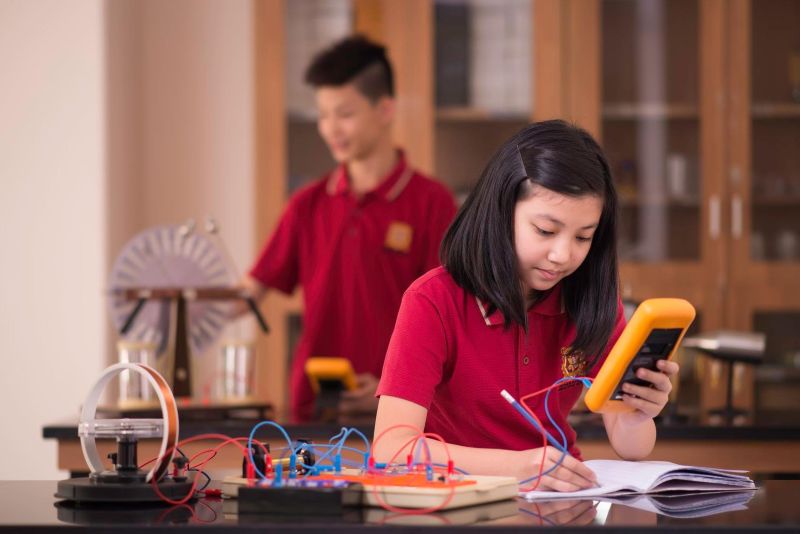
Take time to learn about the development trend of the industry you will choose
Today, many universities offer similar majors, which can make it difficult for students to choose the right field. Therefore, researching different specializations within a field can help students make more suitable career decisions.
Below are some questions students can ask when learning about a career:
- What is the name of the profession and which related careers belong to the same field?
- What is the current demand for this profession in the labor market?
- What skills and qualities are required for this career?
- What are the goals and characteristics of this profession?
- Which schools or organizations provide training for this field, and what are the tuition fees and study duration?
- Which companies or organizations recruit workers in this field?
- Which of your own skills and qualities are suitable for this profession?
3.6. Building an Academic Portfolio Tailored to University Requirements
After identifying a long-term career goal, high school students should create a detailed study plan to achieve the best possible academic results. In addition, students should participate in social activities, extracurricular programs, and talent competitions to gain more experience and improve their academic profiles for university applications.
For example, if a student wants to study Architecture, besides achieving good academic results, they should also spend time learning drawing skills and participating in art competitions. These activities can help students gain more practical experience and improve their opportunities when applying for university programs.
3.7. Gaining Practical Experience in Your Chosen Field
Practical experience is an important part of career orientation for high school students. By participating in career practice activities at school or joining external clubs and programs, students can better understand the reality of different professions. This also helps students evaluate whether they are suitable for the careers they choose.
Today, many schools organize career orientation programs with businesses and industry experts. These activities give students opportunities to meet professionals, listen to career advice, and better understand different industries.
In addition, students can participate in annual career counseling and university admission events to gain more information and practical knowledge about future career paths.

Participate in extracurricular activities, personally experience the profession you love
3.8. Developing a Plan B
Besides a main career goal, students should also prepare another option in case unexpected situations happen. For example, if a student wants to study Medicine but does not achieve the required admission score, they may consider another related field such as Pharmacy with a lower admission requirement.
Career orientation for high school students is not only about choosing a career but also about preparing carefully and building suitable plans from an early stage to achieve future goals.
3.9. Navigating Family Expectations and Barriers
In Vietnam, many families still encourage children to follow traditional family careers or career paths chosen by parents. Although advice from parents and older family members is valuable, students should also consider whether they truly enjoy and are suitable for those careers.
If students do not feel passionate about the career direction chosen by their families, they should clearly explain their thoughts and opinions to receive understanding and support from their parents.
3.10 Skills students need to acquire
Each profession requires different skills, and every student has different strengths. Therefore, students should identify their own strengths to develop skills that match their future career goals.
Students can ask themselves questions such as:
- What are my talents?
- What are my strengths?
- What strengths do people around me often recognize?
- Which activities do I enjoy most?
- Which activities motivate me the most?
Students can also take personality and career orientation tests to better understand themselves, such as:
- Holland personality test.
- MBTI personality test.
- Big Five personality test.
- DMIT fingerprint analysis test.
However, these tests should only be considered as reference tools. Self-evaluation and feedback from people around students are still important factors in career orientation.

Students taking tests to help understand themselves and find suitable careers
Understanding personal strengths can help students get closer to suitable careers and develop important soft skills. Therefore, students should actively participate in skills courses, school activities, and clubs to gain more experience and better prepare for future career paths.
4. Things to Avoid When Choosing a Career Path
When choosing a future career, students should avoid the following:
- Choosing a career based only on academic performance while ignoring personal abilities and personality.
- Not paying enough attention to career orientation.
- Choosing careers mainly because of social status or prestige.
- Looking down on careers with lower starting salaries.
- Following “hot trend” careers without careful research.
- Choosing careers simply because friends choose them.
- Choosing careers based entirely on family expectations while lacking personal interest or passion.
5. Career Orientation for High School and Middle School Students at VAS
At Vietnam Australia International School (VAS), career orientation is introduced early to help students build clear academic and career plans alongside their regular studies.
5.1 Career Orientation for Middle School Students (Grades 8–10):
Since 2015, VAS has implemented personalized career counseling programs for students from Grade 8 to Grade 12. During middle school years, students are introduced to basic career knowledge and different professional fields. This helps them better understand their interests, strengths, and weaknesses.
Teachers also regularly update students with information about career trends and future opportunities.
5.2 Career Orientation for High School Students (Grades 11-12):
During high school, students have more opportunities to better understand themselves and gain practical experience through career orientation programs and activities.
At VAS, students receive guidance in building study plans that match their interests and future goals. Teachers also support students throughout their learning journey and university orientation process.
Career orientation activities at VAS include:
- Career counseling programs.
- Educational workshops and exhibitions.
- Study abroad seminars and school visits.

VAS students participating in the Career Counseling program
In their final year, students are encouraged to research universities, develop application strategies, and target prestigious scholarships. Teachers provide close guidance on necessary documentation and administrative procedures. Simultaneously, students focus on rigorous academic revision to achieve peak results in the National High School Graduation Examination.
>>> Read more: Explore the career counseling process for students at VAS
Compared to the national curriculum, the Cambridge International Academic Programs at VAS (including IGCSE, AS, and A Level) offer early exposure to highly applicable social science subjects such as:
- Global Perspectives
- Business Studies
- Economics
This early academic engagement helps students recognize their passions and simplifies the career orientation by aligning academic rigor with professional aspirations.
Throughout over 17 years of educational excellence, VAS has nurtured generations of high-achieving students who have secured prestigious scholarships from world-renowned universities, including:
- $280,000 Scholarship: Case Western Reserve University and Drexel University.
- $140,000 Scholarship: Illinois Institute of Technology (4-year program).
- $112,000 Scholarship: Michigan State University (4-year program).
- $100,000 Scholarship: Boston University and Stevens Institute of Technology (4-year programs).
- $88,000 Scholarship: University of Chicago (4-year program).
- $84,000 Scholarship: DePaul University (4-year program)
- $74,400 Scholarship: Drexel University (4-year program).
- $60,000 Scholarship: New York University (4-year program).
- $56,000 Scholarship: Miami University (4-year program).
- $40,000 Scholarship: Florida Institute of Technology and Clarkson University (4-year programs).
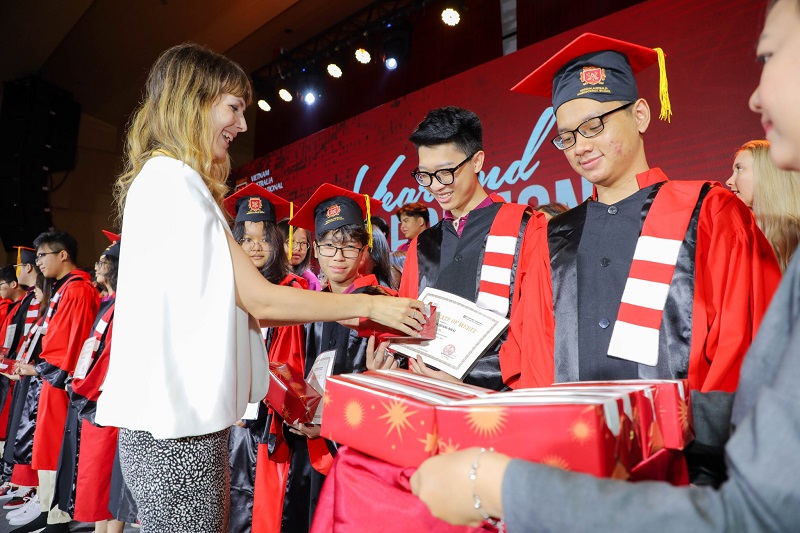
VAS is proud to be a school with many students achieving valuable scholarships
>>> Read more: Explore the detailed tuition fee schedule at VAS International School
6. Top Careers with Strong Future Growth Potential
In a rapidly changing society, choosing a career should not only depend on personal interests but also on future labor market trends. Below are some industries that are expected to continue growing in the coming years.
6.1 Information Technology
With the rapid development of technology and digital transformation, Information Technology continues to be one of the industries with strong future demand. Society increasingly needs people with technology skills and professional knowledge to support different fields and industries.
6.2 Medicine and Healthcare Industries
As population growth and healthcare needs continue increasing, medical and healthcare industries are expected to require more workers in the future. Because these fields involve long training periods and high professional requirements, the demand for qualified workers remains high.
6.3 Marketing Industry
Marketing is considered a field with long-term growth potential because businesses increasingly depend on branding, advertising, and customer communication to reach more consumers and improve business performance.
6.4 Service Industry
Students who enjoy communication, travel, and meeting different people may consider careers in the service industry, such as tourism and hospitality. These careers can provide opportunities to explore different places, cultures, and working environments.
6.5 Robotics industry
The development of artificial intelligence and automation has increased the demand for robotics in manufacturing, healthcare, and daily life. Robots are now used in many environments, including factories, healthcare support, and dangerous workplaces. As a result, robotics is expected to become an important industry in the future.
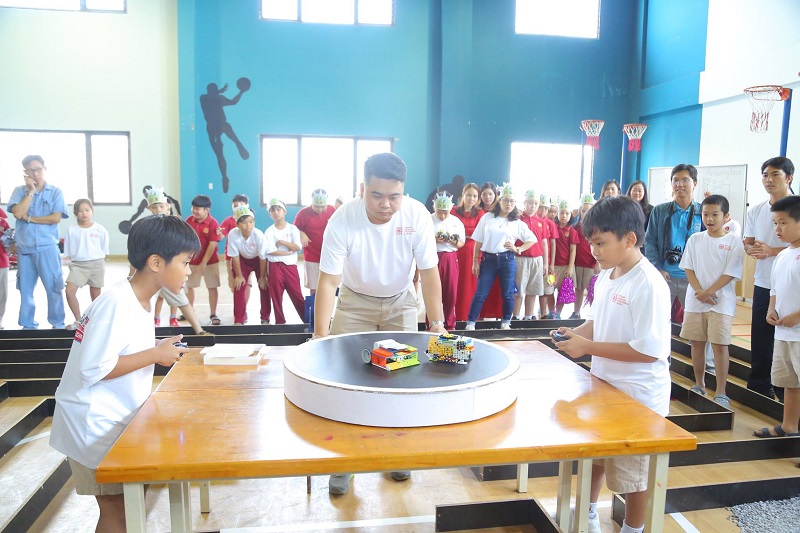
VAS identifies this trend early by training young programmers and organizing annual Robotics competitions.
6.6 Genetics
After the COVID-19 pandemic, genetics and gene research have received greater attention in healthcare and scientific research. This field supports the study of diseases and medical treatments and is expected to continue developing in the future.
6.7 Cybersecurity
As internet usage and digital platforms continue growing, cybersecurity has become increasingly important. This field focuses on protecting systems and data from cyber threats and requires people with technology skills, programming knowledge, and problem-solving abilities.
Choosing the right career path is an important step for every student because it can affect future learning and career development. Understanding personal strengths, interests, and career trends can help students make more suitable decisions for the future.
To learn more about Vietnam Australia International School (VAS) and our comprehensive extracurricular programs, please visit:
- Website: www.vas.edu.vn
- Hotline: 0911 26 77 55
>>> Read more: How to Choose the Right High School for Your Child’s Future Development