


13 Effective Ways Parents Should Know to Support Teenagers During Puberty
- Why is it so important to guide children during puberty?
-
13 effective ways for parents to guide children during puberty
- 2.1 Setting clear expectations and boundaries
- 2.2 Setting principles for parents themselves
- 2.3 Listening to your child’s thoughts and feelings more often
- 2.4 Teaching children about sexuality and body changes
- 2.5 Building a friendly and trusting relationship with your child
- 2.6 Cultivating positive thinking in children
- 2.7 Creating opportunities for children to become independent
- 2.8 Teaching children about personal finance
- 2.9 Teaching children how to take care of themselves
- 2.10 Teaching children how to handle specific situations
- 2.11 Teaching children about responsibility
- 2.12 Respecting children’s privacy
- 2.13 Encouraging children to express their own opinions
- VAS accompanies parents in helping children navigate puberty
- Conclusion
Puberty is an important yet highly sensitive stage in a child’s development. During this period, children experience changes in their body, psychology, awareness, and emotions, which may make them feel confused or anxious. Therefore, parents need to understand how to guide children during puberty so they can advise, answer questions, and support their children through this changing stage.
In this article, VAS helps parents better understand children’s development during puberty and how to accompany them with more confidence and understanding.
1. Why is it so important to guide children during puberty?
Puberty marks major changes not only in children’s physical development but also in their awareness, psychology, and emotions. To understand why guiding children during puberty is so important, parents can look at the key changes children often experience during this stage.
1.1. Physical changes
During puberty, children’s bodies go through noticeable changes in bone structure, organ systems, and reproductive development. For girls, one of the first signs is breast development. For boys, the body becomes taller, larger, and stronger. Puberty also supports rapid height growth in both boys and girls.
At this stage, girls begin to have their first periods, while boys may start growing facial hair and experience a deeper, more masculine voice. Children may also encounter new concerns such as body odour, acne, and other skin-related issues for the first time. Therefore, they need guidance from parents to understand personal hygiene, take care of their health, and reduce common problems during puberty.
1.2. Cognitive changes
During this period, children experience major changes in how they see the world and understand themselves. They begin to develop abstract thinking and the ability to process more complex information. They can also connect concepts, ideas, and small details in daily life more easily.
At the same time, children develop analytical thinking, logical reasoning, and problem-solving skills. They become more curious and eager to explore the world around them with creativity and enthusiasm.
Cognitive changes also affect how children view themselves and society. They begin to ask questions about the world, social values, social rules, and their role in the community. This is an important stage for building a foundation of values and character.
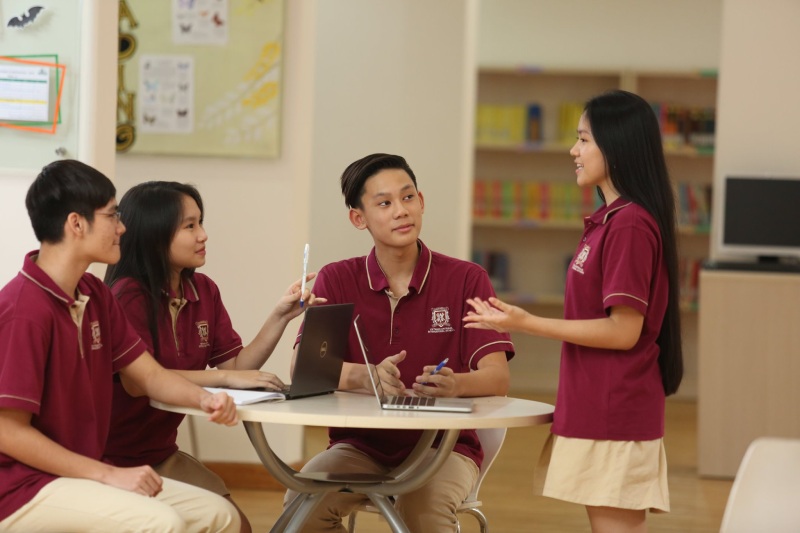
Teenagers experience noticeable cognitive changes during puberty
1.3. Psychological and emotional changes
The psychological and emotional changes children experience during puberty can be diverse and complex. They may seek more freedom, want to become less dependent on their parents, become more aware of gender differences, and start developing new emotional relationships.
Children may also become more sensitive to social judgment and experience mood swings or emotional instability. Physical and cognitive changes can make some children feel self-conscious, anxious, insecure, or unsure about what they want and need.
To help children go through this stage in a healthy way, parental guidance plays an important role. Families and schools can provide emotional support, listen to children, and talk with them to better understand the difficulties they are facing. Children should also be encouraged to take part in emotional education activities, practise stress management, and build self-confidence.
1.4. Changes in motor skills and senses
During puberty, children often become more agile and physically stronger. Their concentration, flexibility, and endurance improve, making it easier for them to take part in sports such as running, jumping, basketball, swimming, and other physical activities. This is a good time to help children improve their physical health, flexibility, and muscle coordination.
Sensory changes are also an important part of puberty. Children’s senses may become sharper, allowing them to recognise and respond more quickly to sounds, colours, shapes, object positions, and other stimuli in their surroundings.

During puberty, children often become more agile and responsive
2. 13 effective ways for parents to guide children during puberty
2.1. Setting clear expectations and boundaries
During puberty, children’s psychology and emotions go through many noticeable changes. They may become more sensitive and easily affected by their surroundings. At this stage, children often want to express their individuality and make more decisions on their own. Therefore, parents should spend time caring for them and setting suitable expectations and boundaries.
As children become more curious and want to try new things, parents play an important role in helping them understand what they should and should not try, as well as what they should and should not do. Parents can set clear rules, such as curfews or asking for permission before going out.
However, these rules should be discussed and explained clearly. If parents are too strict or controlling, children may feel restricted and become resistant. A healthy balance between boundaries and freedom can help children understand self-discipline, responsibility, and healthy behaviour during puberty.
2.2. Setting principles for parents themselves
Setting principles for themselves helps parents stay consistent and stable when guiding their children. Clear and fair principles can create a stable and safe environment for children. They also help parents set a good example and maintain consistency in parenting.
When setting these principles, parents should consider several factors. First, the principles should align with family values and the social environment. Parents also need to define clear limits for their own behaviour so their actions do not go against their parenting goals.
Second, patience and consistency are important when applying these principles. This helps children better understand family rules and feel more secure. Finally, parents should set clear and specific goals for their children. Clear goals help both parents and children have a shared direction during the child’s development.
2.3. Listening to your child’s thoughts and feelings more often
Teenagers’ thoughts, feelings, and emotions can be very different from those of their parents’ generation. By listening to their children, parents can better understand the difficulties, worries, and joys their children are experiencing. This helps build trust and strengthen the bond between parents and children.
When parents show care and are willing to listen, children feel valued and respected. Parents should be open to their children’s wishes and consider suitable thoughts and needs within reasonable limits.
Parents should spend time talking and interacting with their children, creating a safe space where they feel comfortable sharing. Listen sincerely, without being overly critical or judgmental.

Parents should listen to and talk with their children
2.4. Teaching children about sexuality and body changes
As children grow up, it is important for parents to teach them about sexuality and the physical changes that happen during puberty. This helps children understand and accept the natural changes in their bodies, while also giving them the knowledge they need to take care of their health.
Sex education helps children understand the differences between boys and girls, as well as the roles and responsibilities of each gender in society. Parents should use simple, age-appropriate language to explain these topics clearly. Parents should also create an open environment where children feel comfortable asking questions and discussing their concerns about body changes.
In addition, parents should guide children on personal hygiene, self-care, and how to protect their bodies. This helps children feel more confident, become more aware of their health and privacy, and avoid unwanted situations.
2.5. Building a friendly and trusting relationship with your child
One suitable and commonly recommended way to guide children during puberty is to build a friendly and trusting relationship with them. This helps create an environment of trust, closeness, and openness, supporting children’s overall development.
To build this relationship, parents should spend time interacting and bonding with their children. Show care, listen, and try to understand what children want to share or experience. Parents can also join children in their favourite activities, such as playing games, reading books, playing sports, or taking part in community activities together.
At the same time, parents should listen sincerely and understand their children’s feelings and wishes. Giving children opportunities to express their thoughts and opinions can help them feel that their parents are safe and trustworthy people to talk to during puberty.
A strong parent-child bond not only helps parents understand their children better but also creates a positive environment for children to grow, explore the world, and become more confident and creative.
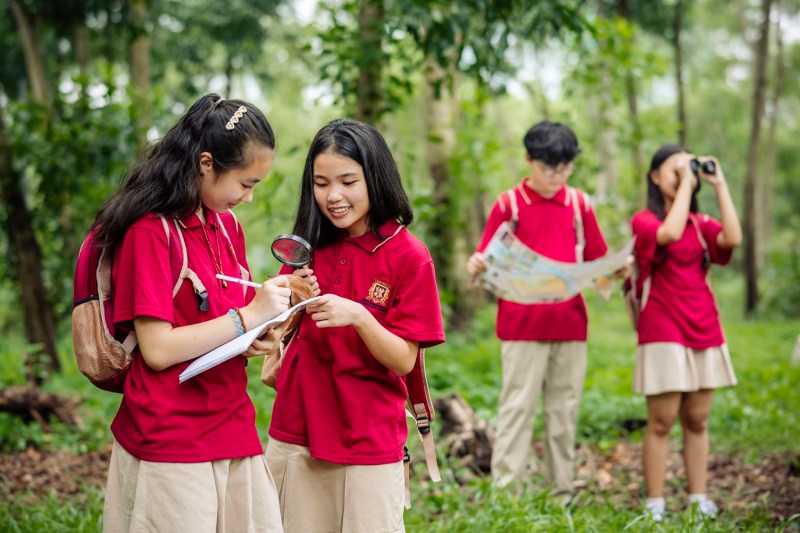
Parents should create more opportunities for their children to gain new experiences
2.6. Cultivating positive thinking in children
Positive thinking supports children’s mental well-being and can help them in both learning and daily life. A positive mindset also helps teenagers view problems in a healthier way and overcome challenges during puberty.
- One way to help children build positive thinking is to encourage them to focus on positive thoughts and perspectives. Parents can teach children to recognize the good sides of life, share positive feelings, look for solutions, and approach difficult situations with optimism.
- Parents should also encourage children to take part in intellectual and creative activities. These activities help children develop creative thinking, logical thinking, and problem-solving skills, while also discovering their own potential.
- In addition, parents can inspire children by sharing positive stories and real-life examples of people who overcame difficulties and achieved success through a positive mindset.
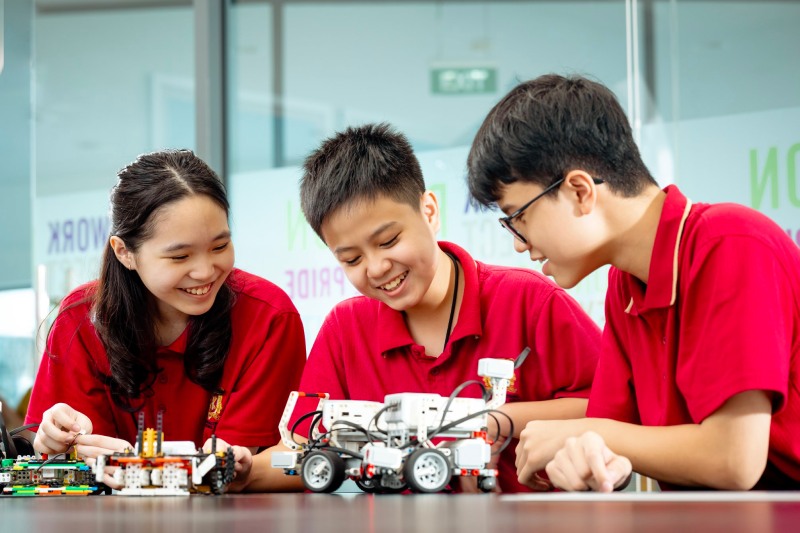
Cultivating positive thinking is an effective way to support teenagers during puberty
2.7. Creating opportunities for children to become independent
During puberty, children gradually form their own views, want to express personal opinions, and make decisions for themselves. To help children develop independence, parents should listen to and respect their opinions, allowing them to make decisions within reasonable limits.
For example, parents can let children choose their own clothes, organise their room, or choose an activity or subject they enjoy to develop their skills.
Parents should also create opportunities for children to take part in activities that require independence. Encourage them to solve difficulties and challenges on their own. This helps children build confidence, learn how to face both failure and success, and develop problem-solving skills.
The ability to act independently and take care of oneself is an important skill for 21st-century global citizens. It can open up more learning and career opportunities for children in the future.
2.8. Teaching children about personal finance
Teaching children about personal finance is a parenting method recommended by many experts. This can bring several important benefits. First, it helps children understand the value of money and learn to use it wisely instead of wasting it.
Financial knowledge also helps children build positive money habits from an early age. Children can learn how to manage money, make simple budgets, and save wisely. This creates a strong foundation for their financial future and helps them feel more confident when making financial decisions later in life.
2.9. Teaching children how to take care of themselves
Puberty is an important stage in children’s development, and parents play an essential role in guiding children to take care of themselves.
- First, parents can help children understand personal hygiene and basic health rules. Guide them on how to take care of their skin and hair and maintain daily hygiene. Parents can also explain the benefits of proper hygiene and provide suitable personal care products.
- Parents should also help children understand the importance of nutrition and choosing healthy, nutrient-rich foods. They can encourage children to take part in choosing and preparing healthy meals to support their growth and health.
- Physical activities and sports also help maintain health and improve physical strength. Parents can encourage children to play sports, exercise, or practise simple activities at home. Playing sports together can also bring joy and motivation during the process.
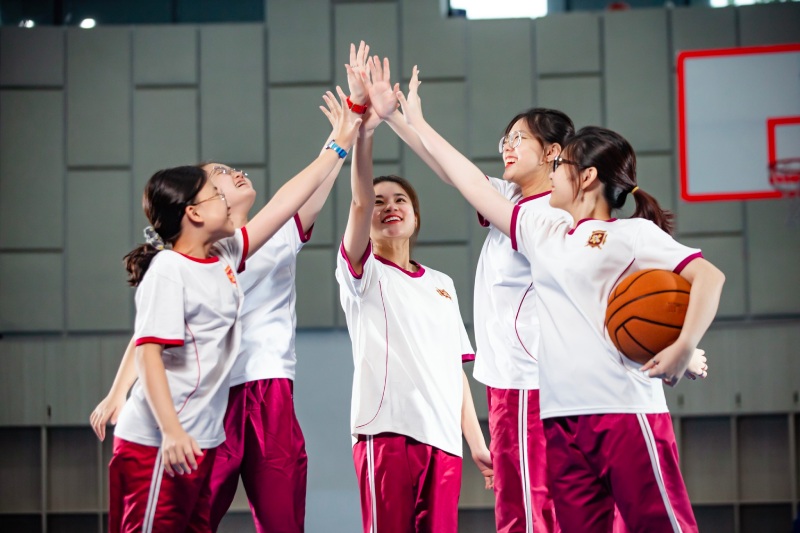
Parents should encourage children to take care of their health
2.10. Teaching children how to handle specific situations
As children begin to form their own opinions and viewpoints, they gain many benefits but may also face new challenges. Parents play an important role in guiding children to make suitable decisions.
- Parents can guide children to analyse and evaluate situations. This helps children understand problems more clearly and find possible solutions. Parents can also discuss different ways to solve problems with their children, giving them space to express independent thoughts and opinions.
- Parents should also teach children the importance of learning from mistakes and accepting failure. Children will not always succeed in every situation, and this is completely normal. Parents should encourage them not to fear failure but to focus on learning and growing from each experience.
- Finally, parents should show support and trust in their children’s abilities. This helps children build confidence and courage when facing new situations and discovering their potential.
2.11. Teaching children about responsibility
As children’s awareness develops, they begin to form deeper views about life and the world around them. Therefore, guiding children during puberty should also include teaching them about responsibility.
- Parents can start by helping children understand their roles and responsibilities in the family, at school, and in the community. Parents can also encourage children to take part in activities such as keeping their living environment clean, protecting the environment, and helping friends. These activities help children understand the importance of contributing to the community and becoming more responsible.
- Parents should also teach children self-discipline and self-management. In addition to doing housework and taking care of themselves, children should be encouraged to make decisions and take responsibility for their actions. Parents can give them tasks such as managing money, managing time, or organising daily activities.
- Parents should also introduce children to teamwork and sharing. They can help children understand the value of helping and supporting others, and encourage them to join social, charitable, or volunteer activities to better understand responsibility and care for the community.
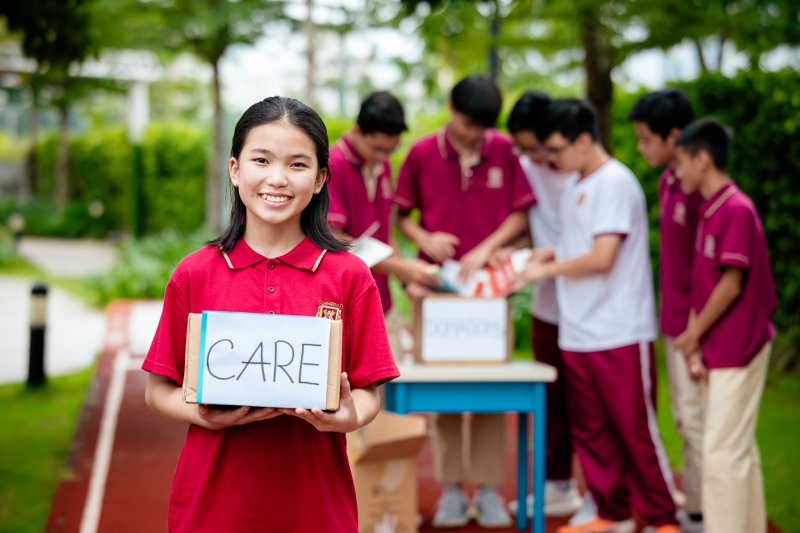
Parents should teach children to be responsible toward their community
2.12. Respecting children’s privacy
Parents should respect children’s private space and also teach them to respect other people’s privacy.
- Private space helps children feel safe, free, and confident to explore themselves. Parents can give children a separate room or a small corner at home with personal items such as a study desk, bookshelf, or art area. This gives children a space to express creativity and develop their individuality.
- Parents should also avoid intruding too much into children’s personal lives. A safe and trusting environment allows children to express their thoughts, feelings, and opinions more freely.
- Parents can encourage children to organise their own private time. Children can use this time to read, write a journal, do creative activities, or simply relax and rest. This helps them better understand the need for and value of privacy in daily life.
- Finally, parents should guide children to respect other people’s privacy. Children need to understand that everyone has the right to privacy and deserves respect.
>>> Read more: Simple Ways to Teach Children Independent Living Skills at Home
2.13. Encouraging children to express their own opinions
Another way parents can guide children during puberty is to encourage them to express their thoughts, opinions, dreams, and wishes. This can bring several important benefits.
- First, allowing children to express their thoughts freely helps develop communication and logical thinking skills. Children learn how to share opinions, explain their views, and present arguments clearly and confidently.
- Second, encouraging children to express themselves helps build self-confidence and independence. When their opinions are listened to and respected, children feel valued. This strengthens their confidence and decision-making ability.
- Third, it helps create an open and friendly family environment that encourages creativity. By expressing their thoughts, children can also develop creative thinking, problem-solving skills, and the ability to adapt to changes around them.
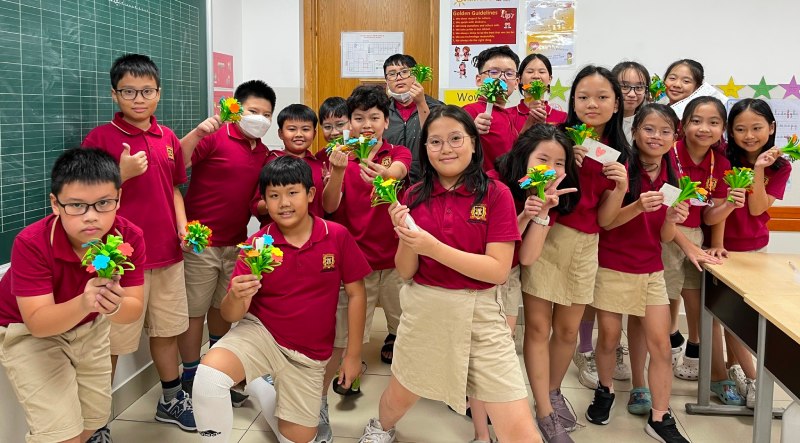
Children should be encouraged to express their own opinions
3. VAS accompanies parents in helping children navigate puberty
VAS accompanies parents in helping children go through the sensitive stage of puberty through a learning environment, educational activities, and school-family cooperation that support students’ development.
3.1. Modern educational methods for holistic development
Vietnam Australia International School (VAS) provides an international-standard learning environment with modern educational methods and well-structured learning pathways. The school supports students’ holistic development and helps build confidence through a range of practical and engaging activities.
- VAS encourages students to develop skills and gain real-life experience through activities outside the classroom. The school also focuses on practical knowledge connected to daily life, helping students become more confident in their abilities.
- Instead of focusing only on memorising knowledge, VAS applies educational methods that encourage creative thinking, problem-solving, and learning through real projects. Students take part in interactive activities, research, and real-life problem-solving tasks, which help them develop observation, analysis, and problem-solving skills.
- VAS also creates opportunities for students to show their talents and express their individual strengths. The curriculum includes not only academic learning but also art, sports, and technology activities. Students can express their views through competitions and programmes such as VASers for the Community, VAS Talks, and English Speaking contests.

VAS provides a holistic learning and development environment
3.2. An open learning environment that nurtures essential qualities
VAS places students at the centre of its learning activities and does not force them into a fixed framework. Based on each student’s interests, direction, and needs, the school and teachers support students in choosing a suitable learning and development pathway.
VAS currently offers 3 learning pathways: CEP, CAP, and CAPI. These pathways give students and families flexible options that match different learning goals.
In addition, VAS has developed a Core Values Education programme to equip students with the qualities, values, and skills needed to become 21st-century global citizens. These values include Excellence, Confidence, Passion, Integrity, Respect, Teamwork, and National Pride.
Through this programme, VAS helps students connect their personal goals with traditional values, national identity, and global values. These foundations guide students’ behaviour and support the development of positive thinking and character.
3.3. Extracurricular activities and field trips
Extracurricular activities and field trips are among the key strengths of VAS in supporting students during puberty. These activities help students broaden their worldview, gain life experience, and support their overall development.
These activities include:
- Swimming and other physical education activities: These help students improve their health, become familiar with the water environment, and build necessary survival skills.
- Large-scale competitions across the VAS system: These include VAS Olympics, an annual sports event with activities such as football, basketball, and chess; VAS’s Got Talent, where students can show their talents; and VAS Painting Contest, which helps nurture young students with an interest in art.
- Extracurricular clubs during school hours: These are guided by teachers from the Cambridge programme and include activities such as Spanish, board games, K-pop dance, and information technology.
- Field trips and real-life experiences: Students have opportunities to explore different places across Vietnam, such as Nam Cat Tien National Park, Ho Tram, Da Lat, and Phan Thiet. These trips help students better understand Vietnam and continue nurturing positive Vietnamese cultural values.
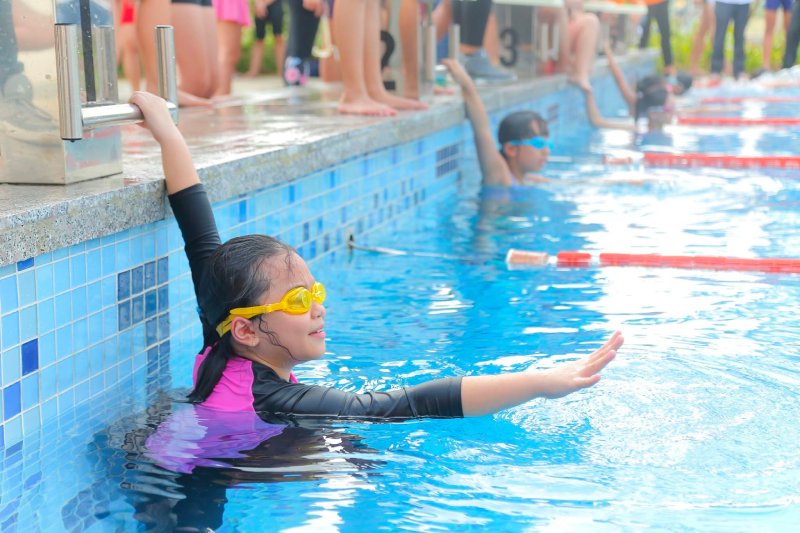
Sports activities improve students' health
3.4. Well-being Education Programme
In addition to continuously improving teaching quality, VAS also pays close attention to students’ mental well-being.
In the context of constant social change, maintaining a healthy lifestyle and balanced mental well-being has become increasingly important. Therefore, from the 2023–2024 school year, VAS has implemented the Well-being Education Programme for all students across the system.
The programme is designed with a holistic view of students’ physical health, mental well-being, emotional development, social development, and intellectual development. Its main components include:
- Physical health: VAS teaches students about physical health, nutrition, exercise, and how to maintain a healthy lifestyle.
- Mental health: The programme helps students manage stress, build self-confidence, and develop positive and optimistic thinking.
- Social and emotional development: Students are encouraged to take part in social activities and build positive relationships with friends, family, and the community. This helps them develop communication skills, listening skills, and respect for others.
- Intellectual development: The programme creates opportunities for students to explore creative thinking, discover new knowledge, and nurture curiosity for learning.
This programme helps students understand the close connection between these areas and recognise the importance of well-being for success in school and later life.
3.5. Activities that support parents in caring for their children
VAS understands that guiding children during puberty can be more effective when there is close cooperation between family and school. Therefore, VAS organises many activities to support and accompany parents in the parenting journey.
- VAS organises seminars and workshops with experts to share useful knowledge, methods, and experiences in raising children during puberty. These sessions help parents better understand children’s development, psychological changes, and thinking during this important stage.
- Seminar topics are diverse, including “Balanced Nutrition for Holistic Child Development,” “Teaching Children Positive Thinking, Sharing, and Caring for the Family,” and “Identifying and Preventing Depression at the Family Level.”
- VAS also builds a close connection between family and school, helping parents accompany their children throughout their growth journey. Close cooperation between the school and parents helps address students’ needs promptly, provide support when necessary, and offer suitable educational guidance.
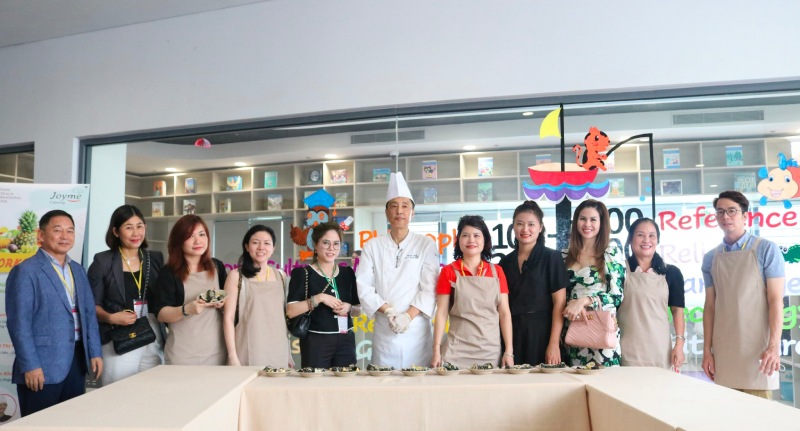
VAS organises seminars to provide parents with knowledge about supporting teenagers during puberty
>>> Read more: Detailed updates on the current VAS international school tuition fee schedule
4. Conclusion
VAS hopes the sharing above has given parents useful information on how to guide children during puberty and support their balanced, complete, and happy development.
Caring for, nurturing, and supporting teenagers during puberty is a journey that requires love, patience, and understanding from parents. VAS believes that successfully supporting teenagers during this stage requires close companionship between families and schools.
VAS is committed to continuing to provide helpful activities and resources so parents can better understand their children, while creating a positive environment for students to develop holistically and discover their potential during this important stage.
For more information about the curriculum and extracurricular activities at Vietnam Australia International School (VAS), parents and students can visit www.vas.edu.vn or contact the hotline 0911 26 77 55.
>>> Read more:
Top 5 Extracurricular Classes to Develop Critical Thinking Skills in Primary School Children
Essential Life Skills Lessons for Children Every Parent Should Know