


5 Methods for Teaching Life Skills to 3-Year-Olds That Parents Can Apply
Teaching life skills to 3-year-olds is an important part of raising children. At this age, children begin to explore the world around them and learn from everyday experiences. When parents guide children in developing life skills, children can improve their ability to care for themselves, communicate with others, and solve simple problems.
In this article, VAS explores 5 effective methods for teaching life skills to 3-year-olds that parents can apply.
1. Why is it important to teach life skills to 3-year-olds?
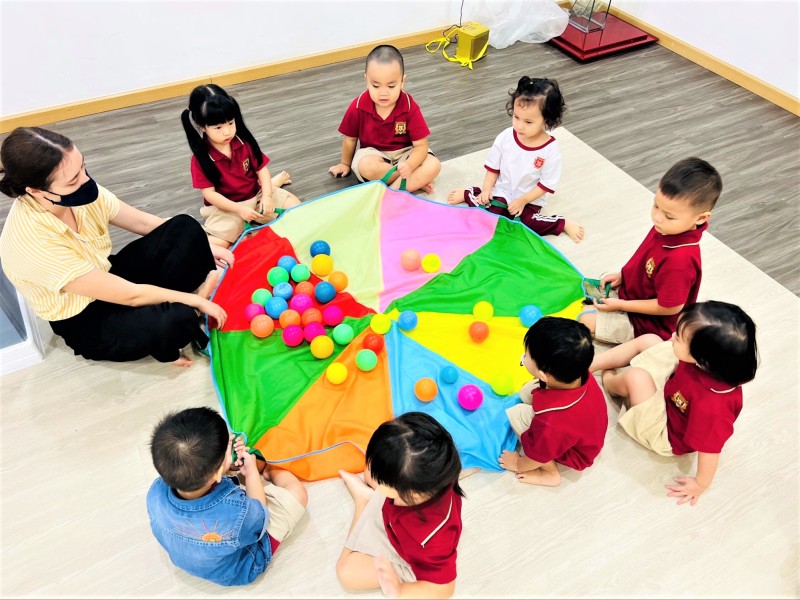
Teaching life skills lays an important foundation for children’s holistic development
Teaching life skills to 3-year-olds lays an important foundation for children’s holistic development. These skills not only help children become more confident and independent in daily life but also create a strong foundation for later development.
At the age of 3, children begin to form their personalities and awareness of the world around them. Guiding children in life skills helps them build good habits and develop the essential skills they need to face future challenges.
Teaching life skills from an early age also helps children understand the value of independence, responsibility, and self-protection. These are important factors that support children as they move into the next stages of life, from starting school to growing up.
2. Essential life skills for 3-year-olds
Below are essential life skills that 3-year-olds should begin learning to build independence, confidence, and awareness in daily life.
2.1 Self-care skills
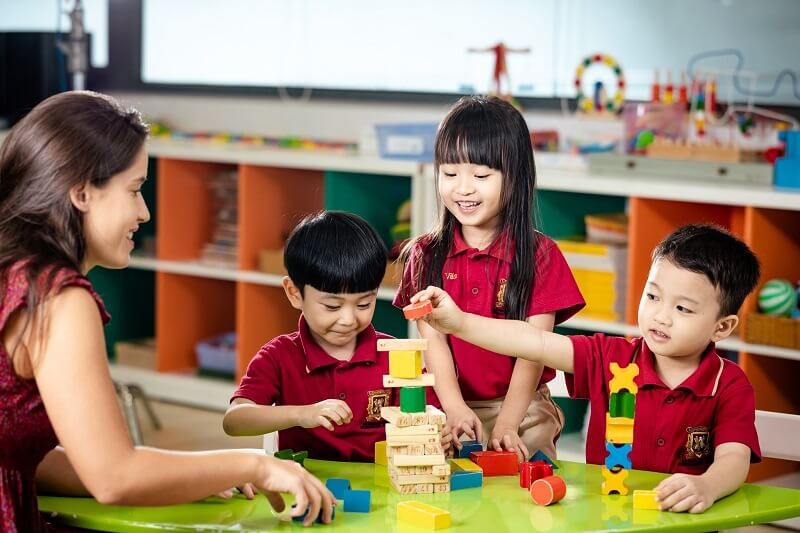
Three-year-olds should learn self-care skills to build independence
Three-year-olds need to learn how to take care of themselves in order to develop independence. Parents can start teaching life skills through simple daily tasks, such as helping children dress themselves, wash their hands before eating and after using the bathroom, or brush their teeth every day.
These skills not only help children become more confident but also build the foundation for good habits later on. For example, parents can encourage children to choose their own daily outfits, helping them feel proud when they complete a self-care task.
2.2 Social communication skills
Social communication skills help children learn how to interact with others and build relationships. Three-year-olds should be taught how to greet adults, say thank you when receiving a gift, apologise when they make a mistake, and share toys with friends.
Parents can encourage children to join group activities and play with peers to develop these skills. These activities not only help children learn how to get along with others but also build listening skills and empathy.
2.3 Thinking and problem-solving skills
Three-year-olds need to learn how to think and solve simple problems in daily life. Parents can teach these skills through small activities such as organising toys, opening a box, or finding a way to take out a toy that is stuck.
These small tasks help children develop logical and creative thinking. Teaching children to think independently and find solutions can help them feel more confident when facing challenges in life.
2.4 Safety skills
Safety is an important life skill that children should learn from an early age. Three-year-olds need to recognise common dangers around them, such as not playing with fire, not running into the street without an adult, and not interacting with strangers.
Parents should guide children to identify risks and learn how to avoid them. This helps children understand the importance of safety and know how to protect themselves in different unsafe situations.
2.5 Emotion management skills
Emotion management is an important skill that helps children understand and control their feelings. Three-year-olds need to learn how to express emotions appropriately, including when to calm down and when to share how they feel.
Parents can teach children to recognise different emotions such as happiness, sadness, and anger, as well as simple ways to cope with them. This not only helps children develop self-control but also supports healthy emotional development in the future.
3. Effective methods for teaching life skills to 3-year-olds
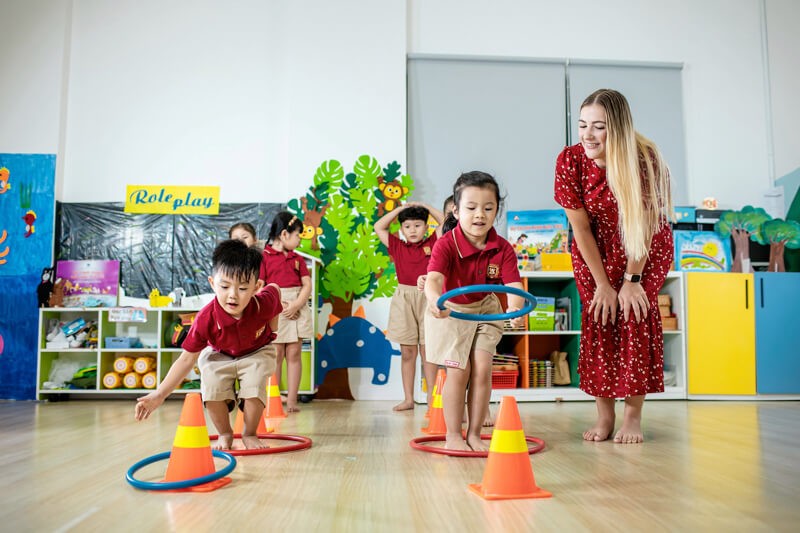
Parents can teach life skills through simple daily activities
Parents can teach life skills to 3-year-olds through familiar daily activities, stories, games, regular communication, and outdoor experiences.
3.1 Teaching life skills through daily activities
Daily activities are valuable opportunities to teach children life skills. Parents can guide children to take part in small household tasks, such as cleaning up toys, helping prepare meals, or watering plants. These activities not only help children practise self-care skills but also build good habits and a sense of responsibility.
When children join daily activities, parents can use these moments to teach practical lessons. For example, during meal preparation, parents can teach children about food hygiene and safety, the proper use of knives and scissors, and the importance of healthy eating.
Through these activities, children can learn important life skills in a natural and enjoyable way.
3.2 Teaching children through stories and movies
Parents can choose age-appropriate stories and movies that allow children to learn through situations in the story. Lessons about courage, sharing, and responsibility are often presented in a gentle and easy-to-understand way.
Reading books or watching movies together also gives parents the opportunity to discuss lessons with their children. Parents can ask questions, encourage children to think, and let them share their feelings. These conversations not only help children understand the lessons more deeply but also develop communication skills and critical thinking..
3.3 Teaching 3-year-olds through games
Games are an engaging way to teach life skills to 3-year-olds. Parents can choose educational games such as puzzles, pretend household tasks, or building games. These games help children develop thinking skills, problem-solving skills, and social interaction.
During playtime, parents should encourage children to be creative and try different ways to solve problems. This helps children practise logical and creative thinking while learning many important life skills.
3.4 Interacting and communicating with children regularly
Regular interaction and communication help parents understand and guide their children better. Parents should spend time talking with children, listening to them, and answering their questions. Through these conversations, parents can teach children how to express emotions, solve problems, and understand the world around them.
Regular communication also helps parents understand children’s moods and emotions, so they can give timely advice and guidance. Parents should create an open environment where children feel encouraged to share their thoughts and opinions. This helps children feel respected while developing communication and emotion management skills.
3.5 Teaching life skills through outdoor activities
Outdoor activities such as going to the park, visiting the zoo, going to museums or historical sites, and joining extracurricular classes are good opportunities to teach life skills to 3-year-olds.
These activities help children broaden their view of the world and learn how to interact with their surroundings and the people around them.
When children take part in outdoor activities, they can experience real-life situations and learn valuable lessons. Parents can guide children on how to stay safe in traffic, behave politely in public, and protect the environment.
4. VAS focuses on developing life skills for 3-year-olds
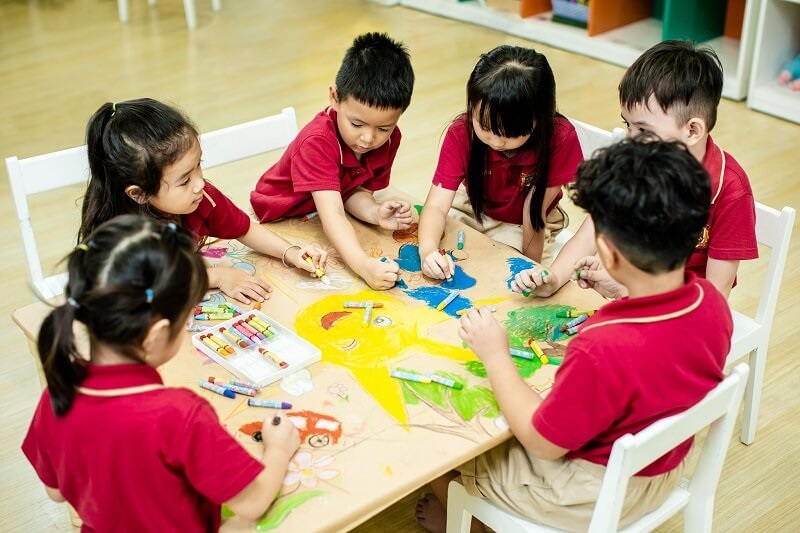
VAS focuses on developing life skills in children from an early age
VAS understands that the early years are an important stage for building a strong foundation for children’s holistic development. Therefore, the school not only focuses on academic learning but also places strong emphasis on teaching life skills to 3-year-olds.
Vietnam Australia International School (VAS) applies modern educational methods to help 3-year-olds develop self-care skills, social communication skills, thinking and problem-solving skills, safety awareness, and emotion management.
The VAS curriculum is designed to suit each age group, ensuring that children can learn and develop in an age-appropriate and supportive environment.
In addition, VAS organises extracurricular activities and outdoor learning programmes that help children broaden their view of the world and develop life skills. Through these activities, children can learn from real-life experiences while building independence, responsibility, and community awareness.
With professional and dedicated teachers and a modern educational programme, VAS aims to provide students with a strong educational foundation, helping them develop holistically and become more confident as they grow.
>>> Read more: Detailed updates on the VAS international school tuition fee schedule
5. Conclusion
Teaching life skills to 3-year-olds is a continuous process that requires patience and companionship from parents. By applying the methods above, parents can help their children develop holistically and become more confident in daily life.
VAS is committed to accompanying parents on their children’s educational journey and providing meaningful learning experiences that support children’s growth and development.
Parents who would like to learn more about the kindergarten programme at Vietnam Australia International School (VAS) can contact the hotline 0911 26 77 55 or visit www.vas.edu.vn for detailed consultation.
>>> Read more:
Essential Life Skills Lessons for Children Every Parent Should Know
Top 5 Extracurricular Classes to Develop Critical Thinking Skills in Primary School Children