


8 Effective Learning Methods for Children
- What is a learning method?
- Why are effective learning methods important?
-
8 effective learning methods for children
- 3.1 Create an inspiring learning environment
- 3.2 Discover children’s interests and connect them with lessons
- 3.3 Learn through practical experience
- 3.4 Learn through play
- 3.5 Offer timely praise and encouragement
- 3.6 Learn alongside your child and set an example
- 3.7 Use technology wisely
- 3.8 Respect your child’s preferences and independence
- How VAS applies modern learning methods in its curriculum
- Conclusion
Today, children’s learning is no longer limited to textbooks or classroom lessons. They need access to a variety of learning methods that can help them retain knowledge more effectively while developing essential skills for the future. When parents and teachers apply suitable learning methods, learning can become less stressful and more like an engaging journey of discovery.
This article explores eight effective learning methods that can help children build knowledge and develop important skills.
1. What is a learning method?
A learning method is the approach or process a person uses to receive, process, and retain information effectively. Put simply, it is a learning strategy that helps learners use their time more efficiently and work towards better results.
For young children, developing an effective learning method is not only about performing well academically. It also supports the development of thinking skills, independent learning habits, and self-discipline.
An appropriate learning method can help children:
- Organise their study time and learning content more effectively.
- Understand the underlying ideas instead of relying on rote memorisation.
- Develop interest and intrinsic motivation to explore and learn independently.
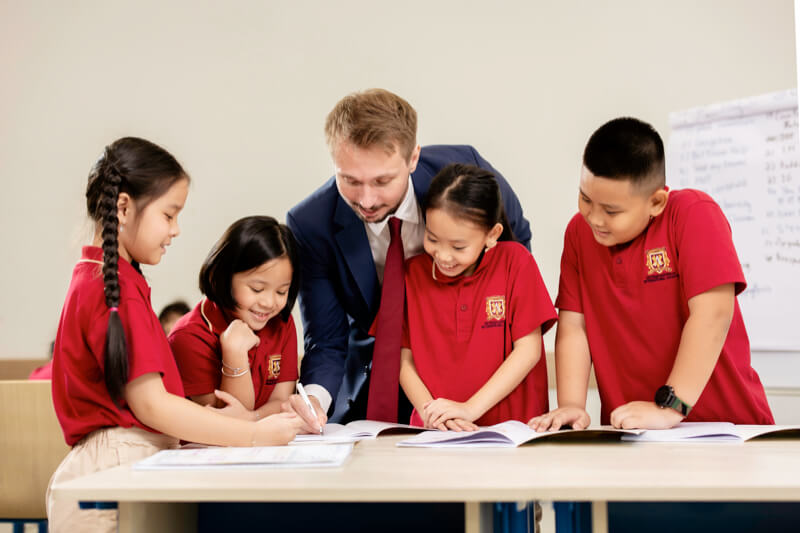
When children know how to learn, the learning process becomes lighter and more enjoyable
2. Why are effective learning methods important?
Today, children learn not only in the classroom but also through a wide range of information from the internet, social media, and extracurricular activities. Effective learning methods can help them manage this information without feeling overwhelmed while maintaining their interest in learning over time.
Effective learning methods can offer several benefits:
- Using study time more effectively: Children can identify what they need to learn and choose suitable ways to approach each task, rather than studying without focus or direction.
- Improving knowledge retention: Logical and visual approaches can help children understand information more easily and remember it for longer.
- Developing independent thinking: Children learn to ask questions, explore topics independently, and draw their own conclusions, all of which support critical thinking.
- Reducing stress and maintaining interest: When learning methods suit their needs, children may feel more comfortable and engaged, making learning more enjoyable and less stressful.
3. 8 effective learning methods for children
To help children make the most of their abilities, parents can choose learning methods that are age-appropriate and suited to each child’s needs. Below are eight effective learning methods that can make learning more engaging while supporting children’s thinking, creativity, and overall development.
3.1. Create an inspiring learning environment
The learning environment plays an important role in supporting children’s interest and concentration. A suitable study space should be well ventilated, receive enough natural light, and include decorations that reflect the child’s interests, such as drawings, a magnetic board, or pictures.
Keeping the space tidy and well organised also makes learning materials easier to access and can help children study more efficiently. Gentle background sounds, such as instrumental music, may also support concentration for some children.
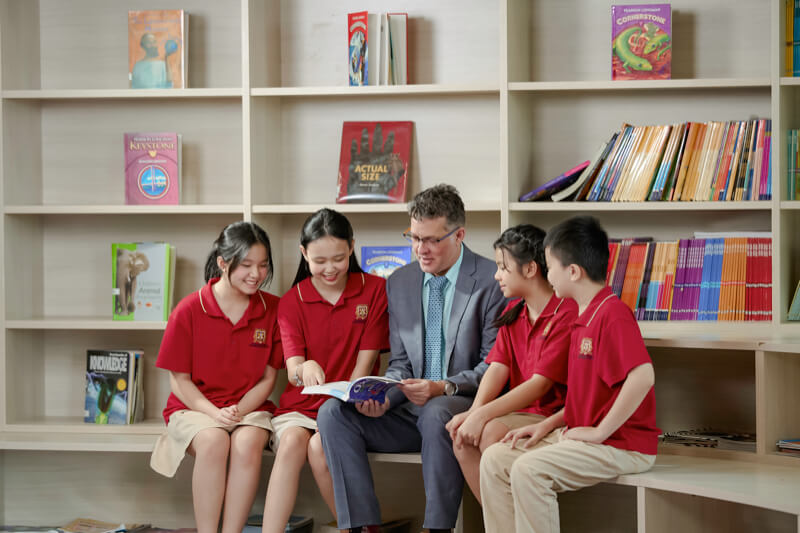
An inspiring learning space can make learning more effective for children.
For example, a study corner with a comfortable desk and chair, a neatly arranged bookshelf, and well-organised learning materials can encourage children to develop more independent study habits and a greater interest in learning.
3.2. Discover children’s interests and connect them with lessons
Every child has their own interests and talents. When lessons are connected to these interests, learning can become more engaging and meaningful. Instead of relying only on textbooks, parents and teachers can include activities such as reading a child’s favourite books, listening to related stories, or building learning tasks around topics they enjoy. This can help reduce boredom and encourage children to participate more actively.

Every child has unique interests and talents.
For example, children who enjoy drawing can create illustrations for history or science lessons. Those who are interested in animals can learn about different habitats through books, learning materials, and videos.
3.3. Learn through practical experience
Children often understand lessons more deeply when they can connect them with direct experience. Practical activities such as visiting museums or science parks and conducting simple experiments at home can bring abstract ideas to life. These hands-on experiences help children connect theory with real-world situations while developing their observation and analytical skills.
For example, a visit to a history museum can provide vivid representations of past events, helping children understand and remember information more effectively than through reading alone.
3.4. Learn through play
Learning through play uses educational games to introduce knowledge without placing unnecessary pressure on children. Activities such as puzzles, crosswords, word games, and knowledge quizzes allow children to engage with information in an enjoyable and accessible way. These activities can support memory, logical thinking, and problem-solving skills.
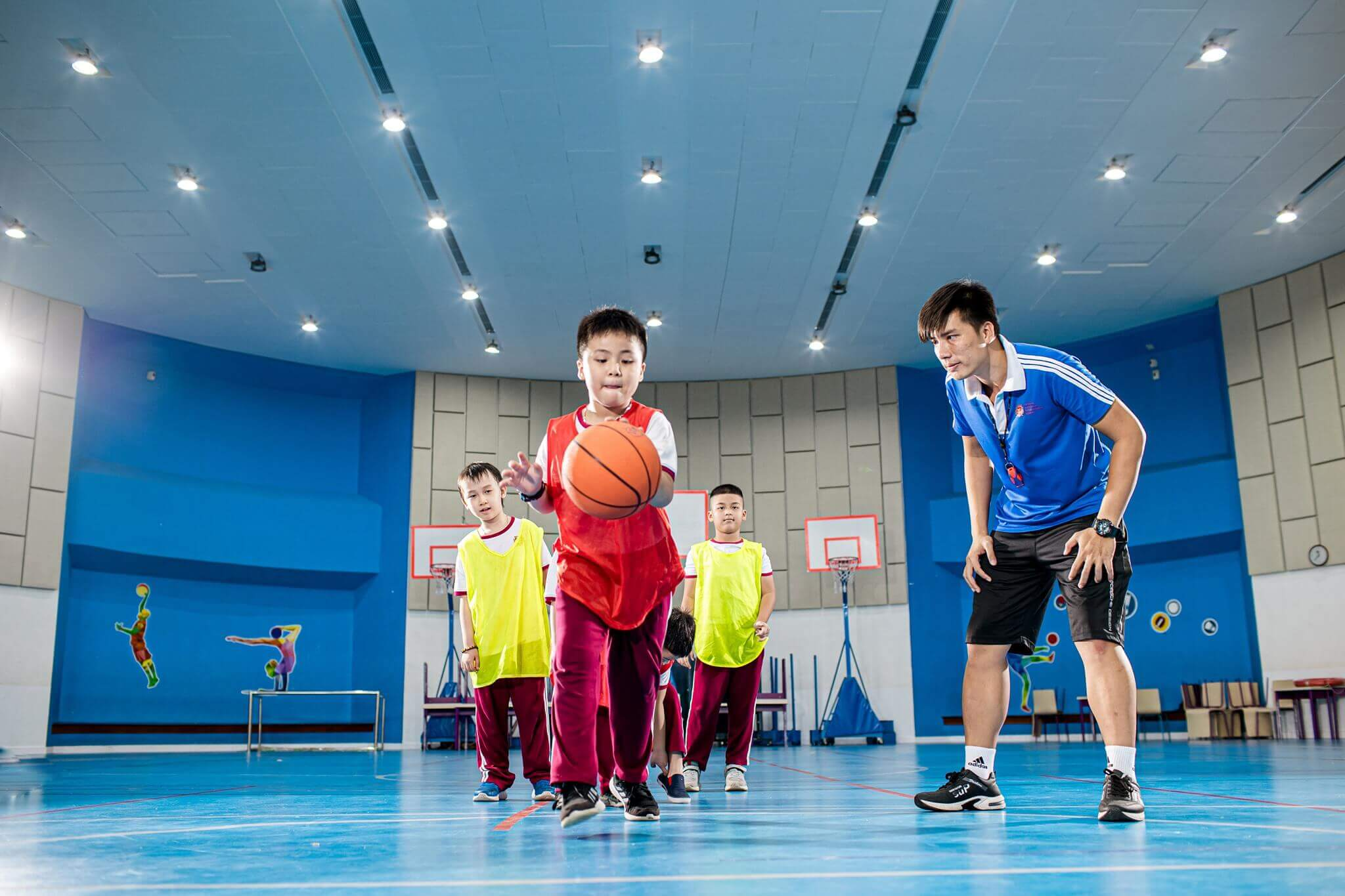
With learning through play, children do not feel pressured
For example, word-search games can help children become familiar with new vocabulary, while games involving numbers and calculations can make mathematics more engaging.
3.5. Offer timely praise and encouragement
Timely praise and encouragement can help children maintain their motivation to learn. Praise should be sincere and specific rather than excessive or given without a clear reason.
For example, when a child completes a difficult exercise, a parent might say:
“You did a great job with this maths problem. I’m proud of how patient you were.”
Specific encouragement helps children understand what they have done well, feel recognised, and gradually build confidence.
3.6. Learn alongside your child and set an example
Taking part in a child’s learning process is not only a way to provide support but also an opportunity to set a positive example. When children see their parents or siblings studying and reading, they may feel more motivated and begin to view learning as a shared family activity rather than an individual responsibility. Learning together can also encourage interaction and strengthen family relationships.
Parents might work through maths activities with their children and ask simple questions that encourage them to think. Families can also complete small science projects together at home.
3.7. Use technology wisely
In the digital age, educational apps can provide useful support for children’s learning. Choosing tools that are appropriate for a child’s age and learning level can help them become familiar with technology in a more balanced and purposeful way. Parents should still monitor screen time and review content carefully to reduce the risk of inappropriate material or excessive technology use.
For example, Duolingo can support language practice, while Kahoot offers quiz-based activities that children can use to review what they have learned.
3.8. Respect your child’s preferences and independence
Parents should support children’s freedom and create opportunities for them to develop
Allowing children to have a say in how they learn can support their independence and motivation. Rather than imposing a single learning method, parents can act as guides and help children explore approaches that feel comfortable and suitable for them. This flexibility can help children feel more confident and engaged throughout the learning process.
For example, children who prefer learning through listening may benefit from audio recordings or educational podcasts. Visual learners may respond better to illustrated materials or instructional videos.
>>> Read more: Applying “Backward Planning” to Design Your Children’s Learning Journey
4. How VAS applies modern learning methods in its curriculum

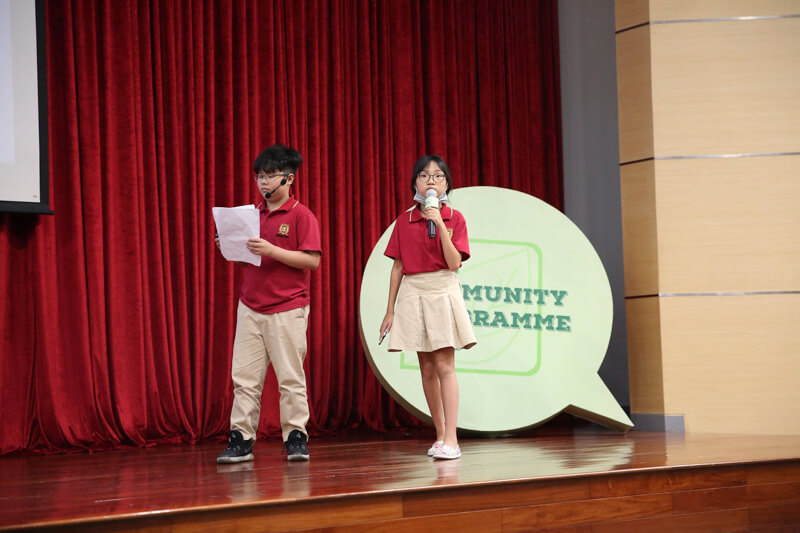
Vietnam Australia International School (VAS) applies modern learning methods
At Vietnam Australia International School (VAS), effective and modern learning methods form an important part of its education pathways.
Alongside textbook-based learning, VAS incorporates hands-on activities, group projects, and technology-integrated learning to support students in developing a broad range of skills.
By combining traditional and modern approaches, VAS aims to provide a supportive and creative learning environment where students can learn more effectively and gain a better understanding of themselves.
>>> Read more: Detailed updates on the current VAS international school tuition fee schedule
5. Conclusion
The learning methods discussed above can help children strengthen their knowledge while developing soft skills and creative thinking.
Combining different approaches based on each child’s age, needs, and interests can encourage more active and effective learning. Parents and teachers can support this process by creating opportunities for children to explore, build confidence, and develop a lasting interest in learning.
Parents interested in the international education programmes at VAS can contact the school via the hotline at 0911 26 77 55 or visit www.vas.edu.vn for further information and guidance.