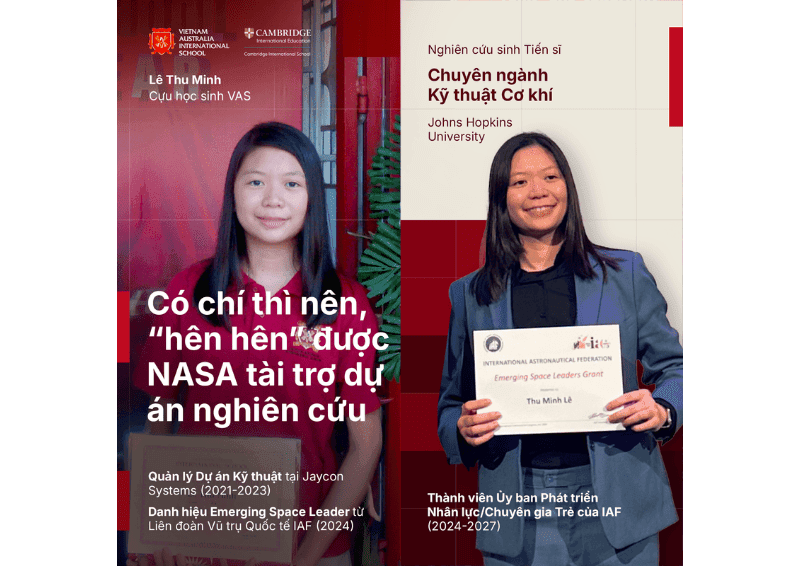
What are Social Skills? 10 Important Skills for Preschool Children
- Why should social skills be taught to preschool children?
-
10 important social skills for preschool children
- 2.1 Polite behaviour and communication skills
- 2.2 Self-dressing skills for preschool children
- 2.3 Cleaning and organising skills for preschool children
- 2.4 Self-care skills
- 2.5 Helping and sharing skills
- 2.6 Skills for overcoming difficulties
- 2.7 Safety and danger-prevention skills
- 2.8 Time-management skills
- 2.9 Self-reliance skills
- 2.10 Basic money-management skills
- How VAS helps preschool children develop social skills
- Conclusion
In early childhood, parents often focus on basic skills such as reading, writing, and numeracy. However, developing social skills is equally important because these skills help preschool children interact with others and build connections in their everyday environment.
So, what are social skills, and which social skills should preschool children learn? This article explores 10 important skills that parents and teachers can help children develop.
1. Why should social skills be taught to preschool children?
Teaching social skills is an important part of preschool children’s development and education. These skills not only help children interact and build connections with people around them but also support their development in several important areas.
- Developing communication skills: By learning how to speak, listen, and understand others, children can express their ideas, thoughts, and emotions more clearly. Good communication and social skills can also help them become more confident and build positive relationships.
- Building cooperation and teamwork: Through group learning and play, children learn to share, listen to other people’s opinions, and work together towards a common goal. These experiences encourage teamwork and a willingness to help and support others.
- Supporting emotional regulation: Preschool children may sometimes find it difficult to control their emotions. Learning to recognise, understand, and manage their feelings can help them respond to conflict and express emotions in healthier ways. These skills can also support problem-solving and positive relationships with others.
- Building confidence and self-management: When children know how to communicate and interact appropriately, they may feel more confident expressing their opinions and suggesting ideas. Social skills can also help them manage their behaviour, set simple goals, make plans, and complete tasks in a more organised way.
Teaching these skills from the preschool years can support children’s well-rounded development and help them become more confident in everyday life.
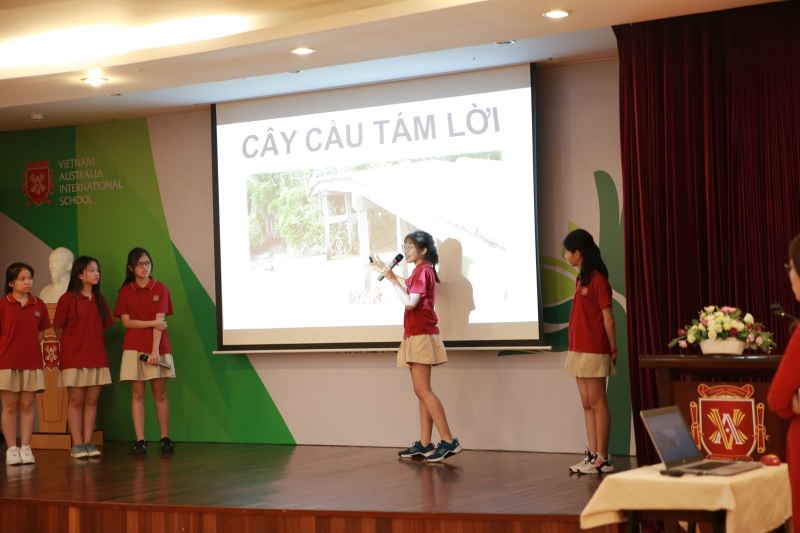
Practicing social skills in preschool is essential for a child's holistic development
2. 10 important social skills for preschool children
Preschool children can gradually develop social skills through everyday communication, play, family routines, and group activities. The following 10 skills can help parents and teachers support children as they learn to interact with others and become more independent.
2.1. Polite behaviour and communication skills
Polite behaviour and communication skills help preschool children interact with others in a respectful, considerate, and appropriate way.
These skills include teaching children to:
- Say “thank you” and apologise when appropriate.
- Greet others and show care and concern.
- Make appropriate eye contact during conversations.
- Use polite language when speaking with adults.
- Answer in complete sentences rather than using abrupt or incomplete responses.
- Respect other people’s opinions and feelings.
- Remain orderly and considerate in public places.
- Understand how to communicate safely with strangers.
- Listen attentively when others are speaking.
Developing these habits helps children understand basic social expectations and communicate more appropriately with the people around them.
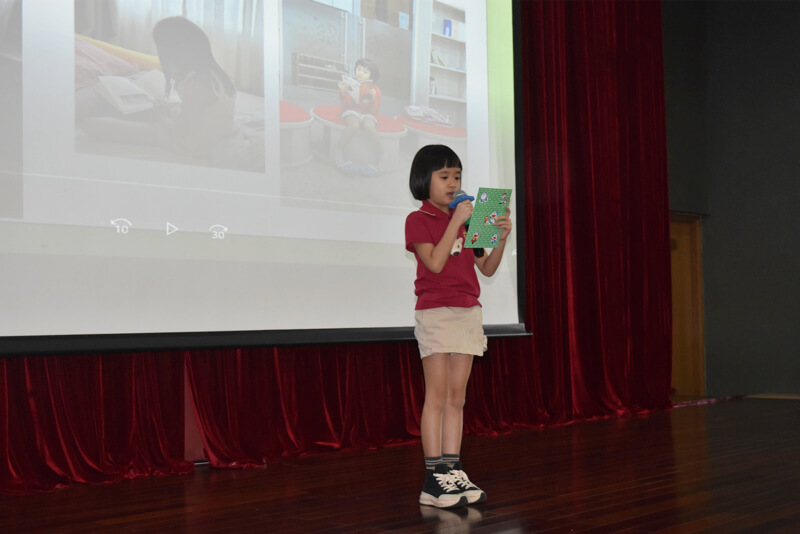
Helping children learn how to listen and behave appropriately is essential
Parents and teachers can use role-play, games, and group activities to give children opportunities to practise these skills. Families and schools should also work together to guide children when inappropriate behaviour occurs, explain why a different response may be more suitable, and help them understand how to behave in specific situations.
2.2. Self-dressing skills for preschool children
Learning to dress themselves can help preschool children develop greater independence and confidence. However, this skill may take time because young children are often active and easily distracted. Parents therefore need to be patient during the early stages.
Parents can guide children through the following five steps:
- Step 1 – Start with undressing: Encourage children to remove their shoes, socks, and clothes when they return home or before taking a bath. Undressing is often easier and helps them become familiar with the process.
- Step 2 – Choose loose, stretchy clothing: Begin with slightly loose T-shirts, trousers, or shorts made from flexible materials so children can put them on more easily.
- Step 3 – Encourage children to sit down: Sitting while putting on trousers or shoes can make the process more comfortable and manageable. Successfully completing these small actions can also help children feel more confident.
- Step 4 – Teach children how to put on shirts: For a T-shirt, show them how to identify the front, put their head through the neck opening, and then place each arm through a sleeve. For a button-up shirt, teach them to identify the correct side, put their arms into the sleeves, and fasten the buttons from top to bottom without misaligning them.
- Step 5 – Teach children to organise their clothes: Show children how to fold clothes and where different items belong. They can also learn which clothes are suitable for different occasions, such as wearing a uniform to school and pyjamas at night.
2.3. Cleaning and organising skills for preschool children
Teaching preschool children to clean and organise their belongings can help them develop positive habits and become more responsible in everyday life.
Parents and teachers can create a clean and organised learning or play environment, then show children how to return toys and personal belongings to the appropriate places. Children should also learn how to care for their belongings so that they are less likely to be damaged or lost.
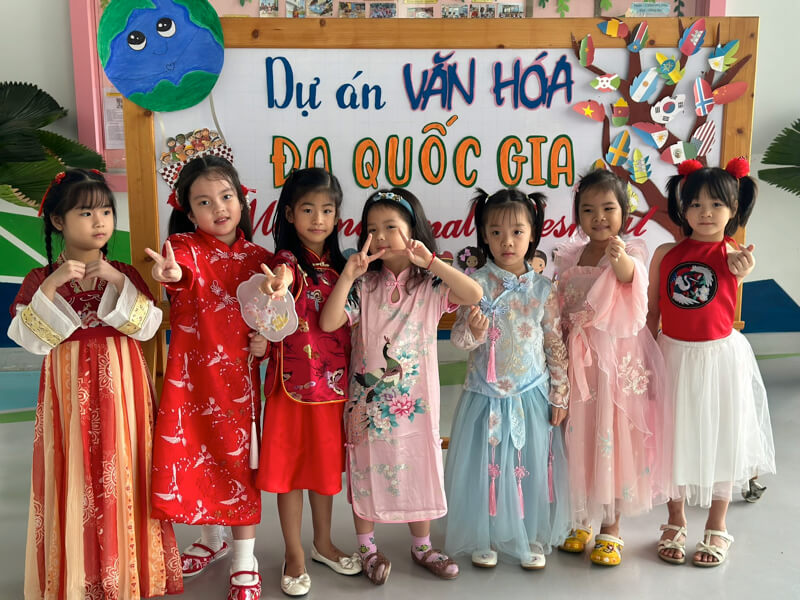
Teaching children to keep things organized helps cultivate self-discipline
Activities such as sorting objects, placing toys into boxes, and cleaning up after play can make this skill easier and more enjoyable to practise.
Learning to clean and organise can help children:
- Save time when looking for their belongings.
- Develop logical thinking through sorting and categorising.
- Become more independent and responsible.
- Build awareness of cleanliness and personal care.
2.4. Self-care skills
Developing self-care skills can support children’s physical and emotional well-being. When children learn to care for themselves, they also practise responsibility, independence, and greater awareness of their own needs, interests, and strengths. Self-care can also help children understand how to show care and consideration towards family members and friends.
Parents can begin with simple activities such as:
- Practising personal hygiene: Teach children how to brush their teeth, wash their face and hands, and comb their hair. Parents should explain why these routines are important and model them consistently.
- Managing personal belongings: Show children how to organise their toys, clothes, books, and other belongings. This can help them develop tidy habits and avoid unnecessary waste.
These skills support positive daily routines, help children protect their health, and provide a useful foundation for future learning and everyday life.
2.5. Helping and sharing skills
Teaching children to help and share with others is an important part of developing their moral awareness and social skills. Parents can introduce these behaviours through simple everyday actions, such as helping a friend find a lost item, sharing food or toys, and taking turns during games.
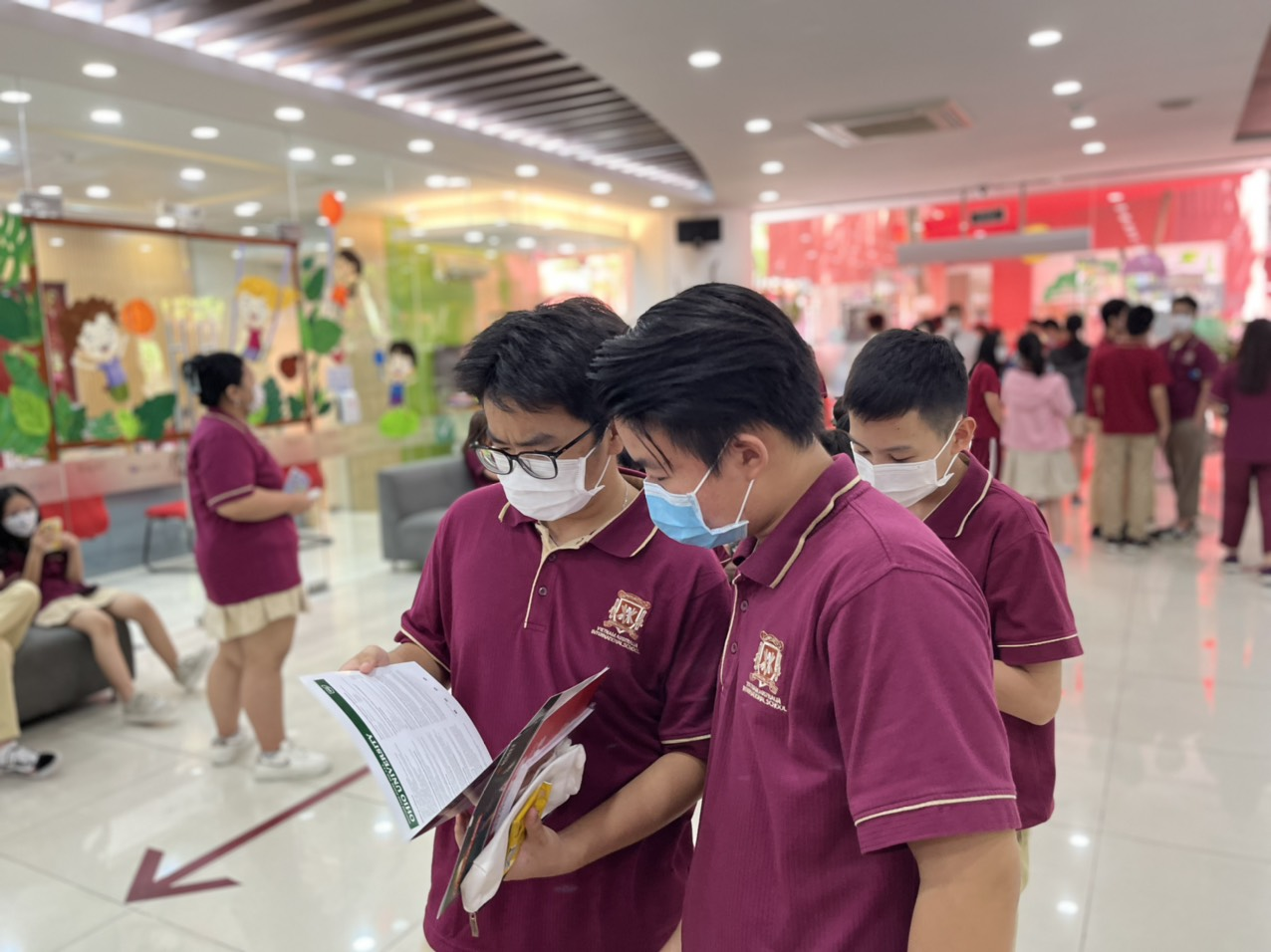
Children build stronger teamwork and camaraderie when they learn to share and help others
As children learn to help and share, they can gradually develop kindness, teamwork, and respect for others. They also begin to understand that happiness can come not only from receiving but also from giving.
Parents and teachers can encourage these behaviours by setting a positive example and giving children opportunities to participate in shared classroom tasks, social activities, or age-appropriate charitable activities.
2.6. Skills for overcoming difficulties
Learning how to overcome difficulties is an important part of preschool children’s development. Parents and teachers can support this skill by encouraging children to try new activities and take on suitable challenges.
When children experience difficulty or failure, adults can help them understand that setbacks are a natural part of learning and can provide opportunities to improve. Instead of solving the problem immediately, parents and teachers can guide children in exploring possible solutions and encourage them to try again.
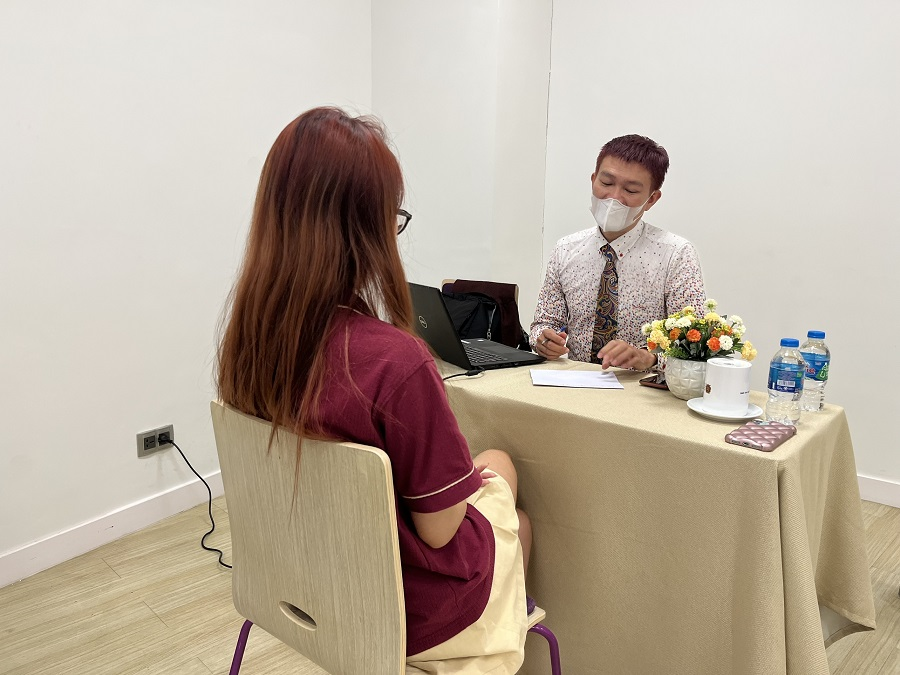
Overcoming obstacles is a social skill that preschoolers should practice early on
It is also important to create a safe environment where children can express emotions such as frustration or fear. Listening, offering emotional support, and encouraging another attempt can help children become more confident when facing future challenges.
2.7. Safety and danger-prevention skills
Preschool children need to learn how to recognise and avoid common dangers in their everyday surroundings. Developing safety awareness before starting preschool can help children respond more confidently to unfamiliar situations.
Parents and teachers can explain potential hazards such as:
- Sharp objects.
- Chemicals.
- Fire and boiling water.
- Ponds, lakes, and other bodies of water.
- Open windows.
- Traffic and moving vehicles.
Once children can recognise these dangers, adults should teach them to stay away and avoid touching or approaching hazardous objects and areas.

Children need to be guided on how to spot dangers
Children should also learn how to respond in an emergency. They need to know how to call for help, find a trusted adult, and report any situation in which they or someone else may be in danger. These skills can improve children’s awareness of their surroundings and support their ability to protect themselves and others.
2.8. Time-management skills
Learning to manage time can help children develop more organised daily routines and gradually build self-management habits. Parents can begin by creating a simple schedule that includes sleeping, eating, playing, and learning. Children can then be guided to understand which activities need to be completed first and how much time should be given to each task.
Parents can also encourage children to complete suitable tasks within an agreed period and help them understand how their choices may affect whether activities are completed on time.
However, the schedule should not be imposed too rigidly. Parents and teachers can discuss it with children and agree on a stable routine together. This can help children feel more comfortable and gradually learn to set simple goals and complete tasks within an appropriate timeframe.
2.9. Self-reliance skills
Self-reliance helps preschool children learn to make decisions, solve simple problems, and become more independent in everyday activities. Parents can support this skill by allowing children to make small choices, such as selecting an outfit, choosing a meal, or deciding when to play. Children should also be encouraged to express their opinions, while adults listen and respond respectfully.
When children encounter difficulties, parents can guide them in finding their own solutions rather than immediately solving the problem for them. Encouraging creative thinking and independent problem-solving can help children become more confident when facing challenges.

Teaching children how to make decisions starting with small things
Parents can also provide suitable opportunities for children to manage simple tasks, such as folding clothes, caring for a plant, or participating in other age-appropriate responsibilities.
2.10. Basic money-management skills
Teaching preschool children how money is used can provide an early foundation for financial awareness and responsible spending habits. Parents can begin by explaining basic ideas about money, including where it comes from, why it has value, and how it is different from other everyday objects. Children can also learn that money is used to purchase goods and complete transactions.
Another important part of this skill is learning how to plan and manage money. Parents can explain that money is limited and that saving can help children buy something they want at a later time. Children can practise through simple activities, such as helping with a small purchase or placing money into a savings box.
3. How VAS helps preschool children develop social skills
Vietnam Australia International School (VAS) integrates social-skill development into its Kindergarten Programme through a range of classroom, extracurricular, and experiential activities.
These activities give children opportunities to communicate with others, practise independence, work in groups, and apply everyday skills in age-appropriate situations.
3.1. Diverse extracurricular activities
VAS organises extracurricular activities across areas such as academics, art, film, and music. School events and competitions have included VAS’s Got Talent, the VAS Painting Contest, and the VAS Olympic. By participating in these activities, children have opportunities to interact with classmates and teachers, make new friends, and practise communication and appropriate social behaviour.
3.2. Experiential learning trips
VAS also organises learning experiences outside the classroom. Previous destinations mentioned in the source include Da Lat, Can Tho, and Snow Town. These activities can broaden children’s experiences while helping them learn how to:
- Participate in group activities.
- Cooperate with others.
- Care for themselves outside the classroom.
- Listen to and follow guidance from teachers.
3.3. After-school activities with professional training partners
VAS works with professional training organisations to provide after-school activities in areas such as swimming, dance, cooking, yoga, climbing, football, basketball. In addition to giving children opportunities to explore their interests, these activities can support the development of communication, independence, and personal-safety skills.
3.4. Practical financial education
VAS has also organised practical activities to help preschool children develop basic financial awareness. For example, during a shopping activity at Lotte Mart, children selected everyday items that were later donated to shelters in need. This experience helped them practise spending decisions while learning about sharing and giving to others. During the “Smart Money Use” activity at Go Mart, children practised balancing a given budget with their needs and personal preferences.
>>> Read more: What do VAS international school tuition fees include?
4. Conclusion
The 10 social skills discussed above can help preschool children develop positive habits, build confidence, and form a foundation for their future personal development.
Supporting social-skill development from an early age is an important part of helping children shape their character and interact more effectively with the people around them. Parents and schools can work together to create suitable opportunities for children to practise these skills in everyday situations.
Parents interested in the international education programmes at VAS can contact the school via the hotline at 0911 26 77 55 or visitwww.vas.edu.vn for further information and guidance.
>>>> Read more: 10 Common mistakes parents make when choosing a preschool for their child