



What Should Parents Consider When Providing Sex Education for Children? Its Importance at Different Ages
Sex education for children is not only about providing information about the body, gender, and sexuality. It also helps children better understand themselves, build self-esteem, and develop healthy relationships. Sex education is an important part of children’s well-rounded development, equipping them with essential skills to cope with challenges in life.
1. What is sex education?
Sex education is a process of helping children and adolescents develop the knowledge, skills, attitudes, and values they need to better understand themselves.
Through sex education, children can learn to build healthy relationships based on mutual respect. It also helps them understand the possible consequences of their personal decisions and learn how to recognize and protect their personal boundaries.

Sex education is an important issue today
Today, sex education for children is mainly provided by parents and primary caregivers. It is also addressed in schools and public health programs to provide age-appropriate information and guidance.
However, many families and communities in Vietnam still feel hesitant or uncomfortable discussing sex education with children. Without open and age-appropriate guidance, children may misunderstand gender and sexuality or turn to unreliable sources for information.
Therefore, providing children with accurate and age-appropriate knowledge about gender and sexuality is necessary for their development and safety.
2. The importance of sex education for children
As children enter puberty, they experience not only noticeable physical changes but also emotional and psychological changes. They may feel confused, curious, and eager to understand what is happening to their bodies.
Providing timely sex education is therefore important. It can help children identify reliable information and reduce their reliance on inaccurate sources online or on social media.When children receive appropriate knowledge and develop sufficient awareness, sex education can provide several important benefits:
2.1. Understanding physical development
Sex education helps children understand the natural changes that occur during puberty, including:
- The development of reproductive organs
- Hormonal changes
- Menstruation in girls
- Wet dreams in boys
When these changes are explained clearly and accurately, children may feel less confused or anxious and feel more prepared for puberty. This can help them feel more confident as they grow and develop.
2.2. Protecting themselves
One of the main goals of sex education is to give children the knowledge and skills needed to protect themselves from sexual abuse.
Children can learn how to:
- Recognize inappropriate behavior
- Understand which parts of their bodies are private
- Say no to inappropriate touch or behavior
- Seek help from trusted adults
These skills can help children recognize unsafe situations and seek help when needed.
2.3. Understanding safe sex
Sex education also helps children understand the possible consequences of unsafe sexual activity and the importance of:
- Using contraception
- Preventing sexually transmitted infections (STIs)
- Protecting reproductive health
As children grow older, sex education can introduce age-appropriate information about sexual health, including:
2.4. Building self-awareness and self-worth
Comprehensive sex education helps children develop self-awareness and self-worth alongside a healthy and accurate understanding of sexuality.
It also teaches them to:
- Build and evaluate healthy relationships
- Recognize inappropriate behavior
- Avoid risky situations and negative influences
- Understand their self-worth
- Respect their bodies
- Become more confident
3. Effective sex education for each stage of a child’s development

Sex education should be introduced in ways that match each stage of a child’s development
Sex education should be provided according to each stage of a child’s development to ensure that the content and approach are age-appropriate and effective. Different age groups require different topics and teaching methods.
3.1. Sex education for preschool children ages 2–5
At this stage, children become increasingly curious about their bodies and the world around them. It is also an appropriate time for parents to introduce basic knowledge about the body, privacy, and personal boundaries.
Educational content
- Identifying body parts: Parents should teach children the correct names for body parts, including private parts such as the penis and vulva, instead of using vague or confusing nicknames. This helps children develop a healthy attitude toward their bodies and feel comfortable naming these parts when necessary.
- Understanding basic body functions: Parents can explain basic body functions in simple and age-appropriate languages such as “hands are for holding,” “feet are for walking,” and “the nose is for breathing.” For private parts, parents should explain that these parts belong to the child and that other people should not touch them without permission.
- Understanding privacy: Children should learn that some parts of the body are private. Parents should also teach them how to say no and tell a trusted adult if someone makes them feel uncomfortable or crosses their personal boundaries.
Approach
- Use simple, easy-to-understand language.
- Use real-life situations or illustrated picture books.
- Maintain a calm and open attitude so children feel safe asking questions.
3.2. Sex education for primary school children ages 6–12
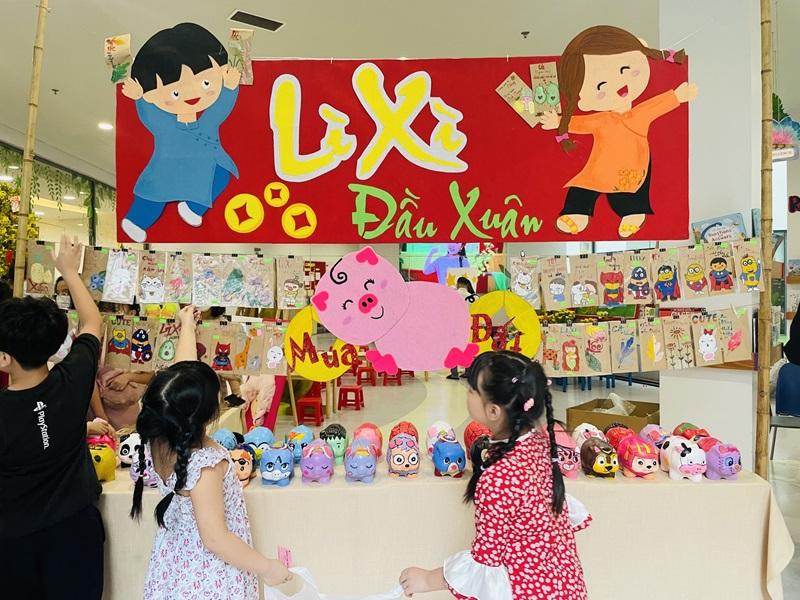
Parents should always be ready to answer children’s questions honestly and clearly
During the primary school years, children interact more with friends and the wider world. This is an important time for parents to explain basic biological differences, puberty-related changes, emotions, and personal boundaries.
Educational content
- Biological and gender differences: Children can learn basic information about the biological differences between boys and girls, as well as gender roles in society.
- Physical changes during puberty: Parents should explain changes such as breast development and menstruation in girls, and voice changes and facial hair growth in boys.
- Emotional and psychological changes: Children should understand that strong emotions and psychological changes can be a normal part of puberty. Parents can also guide them in managing emotions and handling social situations.
- Communication and social skills: Children should learn how to set personal boundaries, refuse inappropriate behavior, and seek help when necessary.
Approach
- Encourage children to ask questions and answer them honestly in an age-appropriate way.
- Use suitable supporting materials, such as videos and sex education books.
- Listen without judging when children share their thoughts or concerns.
3.3. Sex education for secondary school students ages 13–18
During adolescence, teenagers experience significant physical, emotional, and psychological changes. Sex education at this stage should cover more detailed topics, including sexual health, reproductive health, consent, personal responsibility, and healthy relationships.
Educational content
- Safe sex and reproductive health: Teenagers need clear information about contraception, sexually transmitted infections, and the possible consequences of unsafe sexual activity.
- Consent: Teenagers should understand that sexual activity must be based on mutual consent. They should also learn how to recognize and respect other people’s boundaries.
- Healthy relationships: Teenagers need to distinguish between healthy and unhealthy relationships and understand that healthy relationships are based on respect, understanding, and freedom from pressure.
- Personal responsibility: Teenagers should understand that sexual activity involves emotional, physical, and social responsibilities.
Approach
- Discuss sensitive topics openly rather than avoiding them.
- Use clear, scientific, and age-appropriate language.
- Encourage teenagers to participate in school discussions or sex education programs.
4. Things parents should keep in mind when providing sex education for children
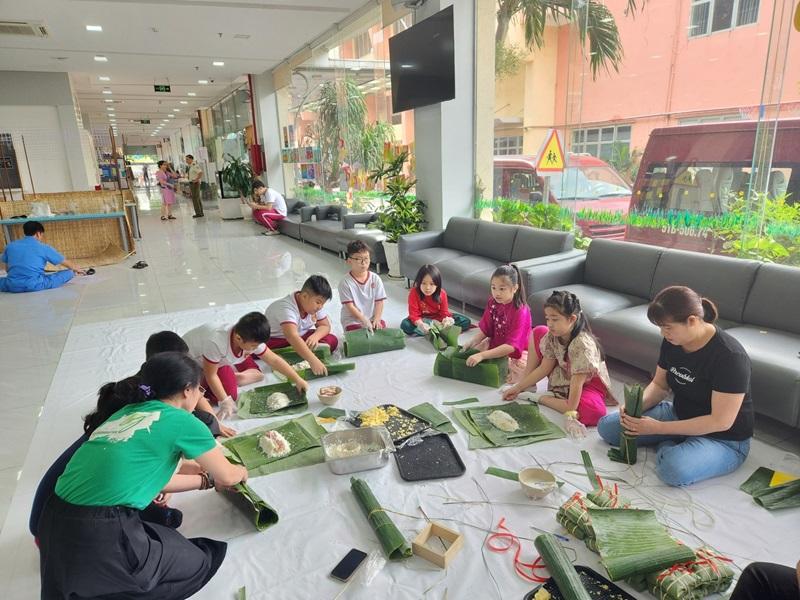
Sex education should be carried out in a natural and comfortable way
Sex education is an ongoing process that should be carried out naturally and comfortably so children feel safe and able to trust their parents. Below are several important points parents should keep in mind.
4.1. Start early and keep the content age-appropriate
Parents should begin sex education early and adjust the content to suit their child’s age. This helps children build a strong foundation of knowledge and makes it easier for them to understand more complex information as they grow. Parents can start with simple concepts and gradually introduce more detailed information at each stage of development.
4.2. Create a safe and comfortable environment
A safe and comfortable environment helps children feel confident when sharing their thoughts and asking questions about gender and sexuality. Parents should encourage children to express their thoughts and feelings without fear of judgment or criticism. This helps children feel heard and respected, making it easier for them to engage with the information being shared.
Parents should also take time to listen and answer their children’s questions honestly and directly. Avoiding or dismissing these questions may make children feel embarrassed or insecure when discussing gender and sexuality.
4.3. Use age-appropriate language
The language used in sex education can significantly affect how children understand the topic. Parents should use simple, clear, and age-appropriate words while avoiding complex or confusing terms. For example, when discussing body parts, parents should use the correct names instead of vague nicknames that may cause misunderstanding.
4.4. Be honest and open
Honesty and openness are important principles when providing sex education for children. Parents should answer children’s questions sincerely and avoid shying away from sensitive topics. This helps children build trust and understand the information more easily.
When parents do not know the answer to a question, they should acknowledge it honestly and look for the answer together with their child.
5. How VAS approaches sex education for children
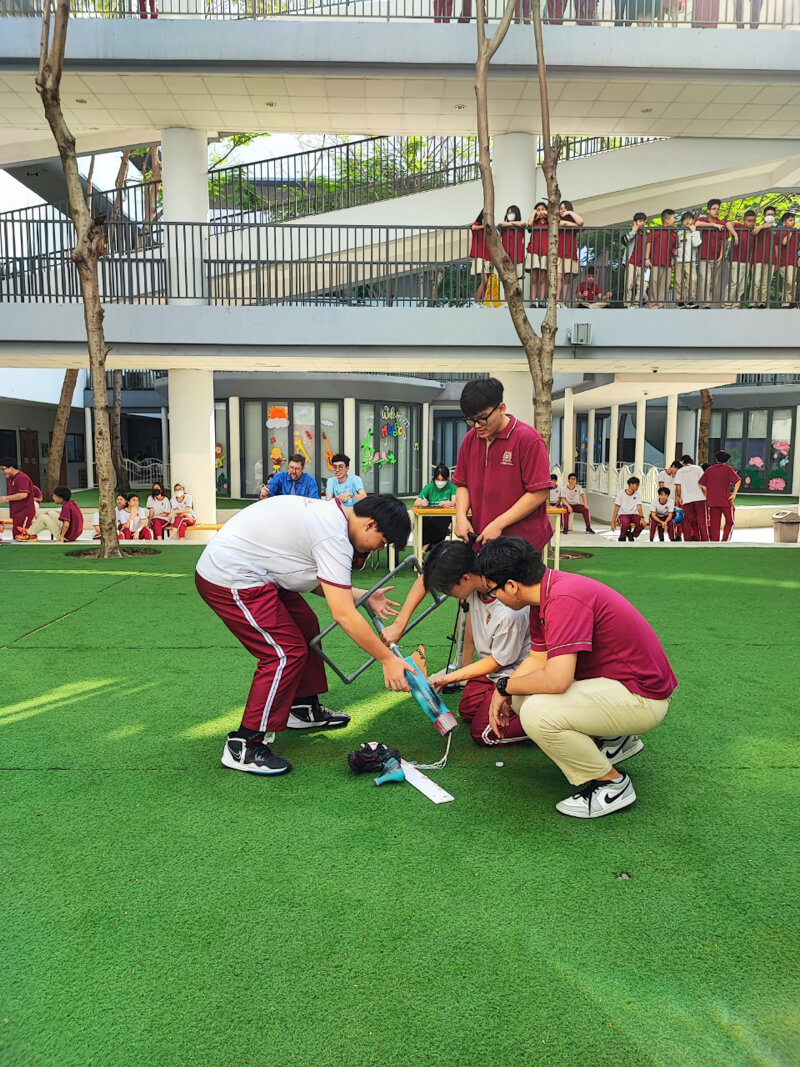
At VAS, sex education is considered an important part of the curriculum
At the Vietnam Australia International School (VAS), sex education is considered an important part of the curriculum. In addition to academic knowledge, VAS equips students with essential life skills that support their well-rounded development. This approach is integrated across VAS education pathways and age-appropriate learning activities. Sex education is designed to be age-appropriate, helping students better understand themselves and learn how to protect themselves.
VAS teachers are ready to listen to students and answer their questions, helping create a safe and trustworthy learning environment. VAS recognizes that sex education is an ongoing process that requires patience from both parents and schools. Its teachers receive specialized training in sex education methods so that lessons can be delivered accurately and appropriately for each age group.
At VAS, sex education goes beyond providing knowledge. It also supports the development of practical skills and healthy attitudes. Students are encouraged to discuss and ask questions about gender and sexuality in a safe and respectful environment. VAS also organizes discussions and extracurricular activities related to sex education, giving students opportunities to apply what they have learned in real-life situations.
>>> Read more: Discover in detail the current tuition fees for VAS bilingual preschool
Conclusion
Sex education for children is a long-term process that requires patience from both parents and schools. With appropriate support and guidance, children can develop the knowledge and skills they need to grow with greater confidence. Parents and schools should work together to provide age-appropriate sex education in a safe, open, and respectful environment.
To learn more about VAS’s educational approach and experience its international learning environment, parents can visit www.vas.edu.vn or contact the hotline at 0911 26 77 55 for further information.
>>>> Read more: Top 5 extracurricular classes that help primary school children develop critical thinking skills