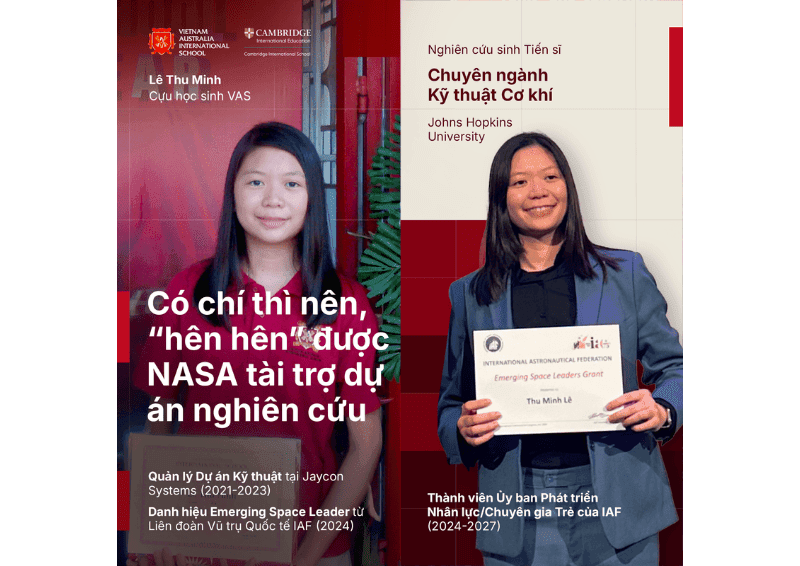



Teaching Life Skills to 2-Year-Olds: A Foundation for Well-Rounded Development
Teaching life skills to 2-year-olds is an important first step toward their well-rounded development. At this age, children begin to develop basic skills that lay the foundation for greater independence and confidence in the future.
In this article, VAS explores why life skills are important, which skills 2-year-olds can begin to develop, and practical ways parents can support them.
1. Why should parents start teaching life skills at age 2?
Teaching life skills to 2-year-olds is important because children develop rapidly at this age, particularly in their emotional, physical, and language abilities. Understanding the broader preschool development journey can also help parents choose age-appropriate ways to support these early skills.
Introducing basic life skills early not only supports children’s overall development but also helps them gradually become more independent and confident. These skills provide a foundation for well-rounded development, helping children adapt more easily to their surroundings and build positive habits and character traits from an early age.
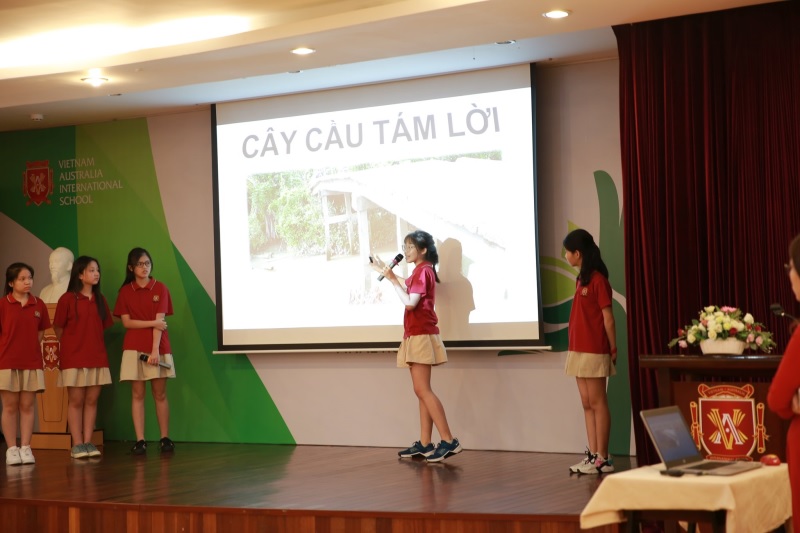
Teaching life skills to 2-year-olds is very important
Two-year-olds are also at an important stage of brain development. At this age, the brain develops rapidly and forms millions of new connections every day. Children also begin to explore the world around them more actively.
Teaching life skills from an early age helps children develop essential habits and abilities, creating a strong foundation for their future development.
2. Essential life skills for 2-year-olds
2.1. Self-care skills
Self-care skills are among the key skills children can begin developing at this age. They help children become more independent and confident in their daily routines.
Teaching children to dress themselves is a good starting point. Parents can begin with simple clothing, such as T-shirts and pants, to help children develop dexterity and independence.
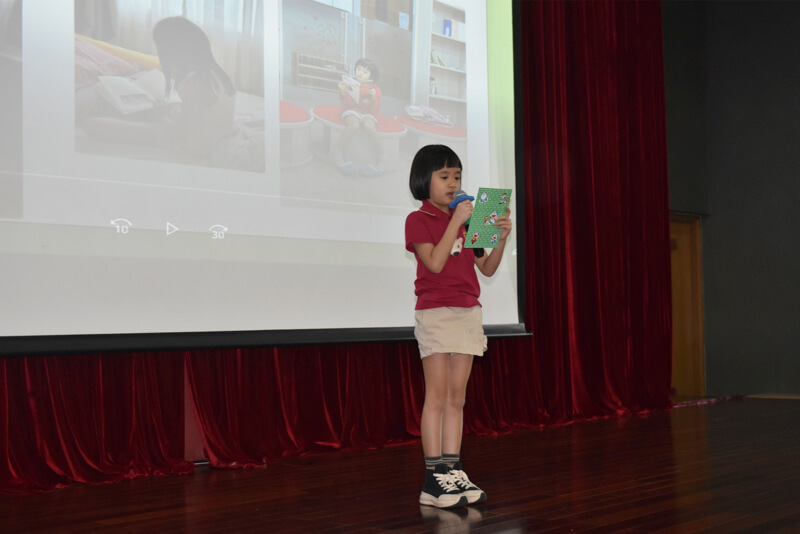
Two-year-olds should be guided to learn important age-appropriate skills
Parents can also teach children how to wash their hands, brush their teeth, and begin bathing themselves. These activities help children develop personal hygiene and self-care habits from an early age.
Encouraging children to put away their toys after playing also teaches them to stay organized and take responsibility for their belongings.
2.2. Communication skills
Communication skills are an important part of children’s development. At this age, children begin learning how to express their emotions, speak, listen, and respect others.
Parents can encourage children to communicate by talking with them regularly. This helps children expand their vocabulary and improve their communication abilities.
Parents should also listen to and respond to their children’s questions, helping them feel cared for and respected. Teaching children to express emotions through words, gestures, or actions is another important part of life-skills development.
Children should gradually learn how to understand their own emotions and empathize with the feelings of others. Parents can also teach them to respect others by greeting and checking in on people and saying “sorry” or “thank you” when appropriate.
2.3. Physical and motor skills
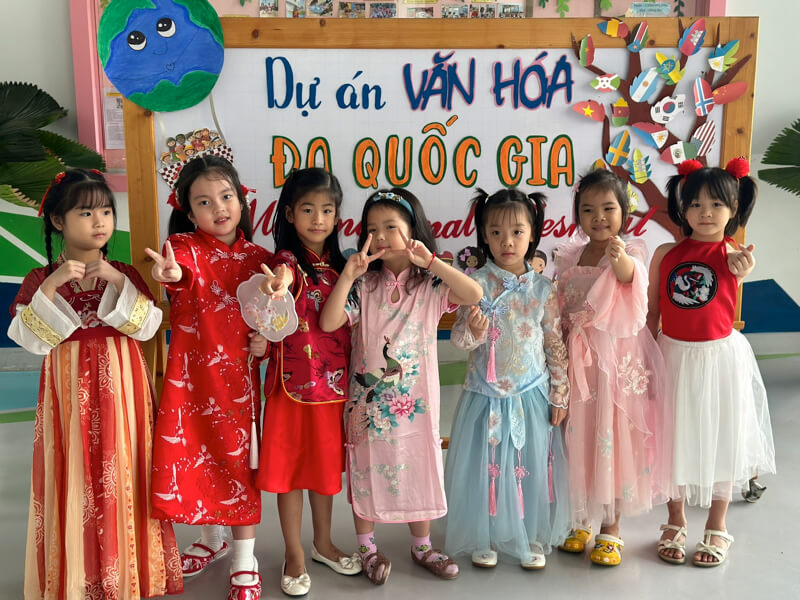
Two-year-olds should be encouraged to develop physical and motor skills
Two-year-olds should be encouraged to develop their motor skills through activities such as exercise, playing with friends, and completing simple tasks.
At this stage, children begin to run, jump, climb, and play with balls. Activities such as running races, jumping over obstacles, and throwing or catching a ball can support their physical development while improving balance, muscle strength, and interaction skills.
2.4. Cognitive skills
Cognitive skills include thinking, problem-solving, and understanding the world around them. Two-year-olds can learn to recognize colors, shapes, and numbers through games and everyday activities.
Puzzles, pretend cooking, and drawing are effective play-based learning activities for developing cognitive skills. These activities not only support children’s thinking abilities but also help them practise patience and concentration.
3. Methods for teaching life skills to 2-year-olds
3.1. Teach life skills through games and daily activities
Parents can use play-based activities such as puzzles, pretend cooking, and drawing to teach children essential life skills.
Children learn best when they take part in fun games and activities
Games and everyday activities not only help children develop new skills but also make the learning process more enjoyable and engaging. Through play, children can naturally learn how to care for themselves, communicate, develop motor skills, and understand the world around them.
3.2. Model and guide each skill
Two-year-olds often learn by observing and imitating adults. Parents should first demonstrate simple actions, such as getting dressed, washing hands, or putting away toys, and then guide children to follow.
Modelling helps children understand how to perform each skill before practising it themselves. Parents should remain patient, guide children step by step, and praise their efforts throughout the learning process.
3.3. Create regular opportunities to practise
Children need regular opportunities to practise before they can become more confident with these skills. Parents should patiently encourage children to complete simple everyday activities on their own. This helps them gradually become more confident and capable.
Whenever children complete a task independently, parents should praise and encourage them so they remain interested and motivated to continue learning.
3.4. Praise and encourage children
Parents should recognize children’s efforts and achievements, even when they are small. Praise and encouragement provide emotional support and motivate children to overcome difficulties while learning new life skills. Positive encouragement can help children feel confident and willing to try new things.
4. Vietnam Australia International School: Supporting children’s life skills development
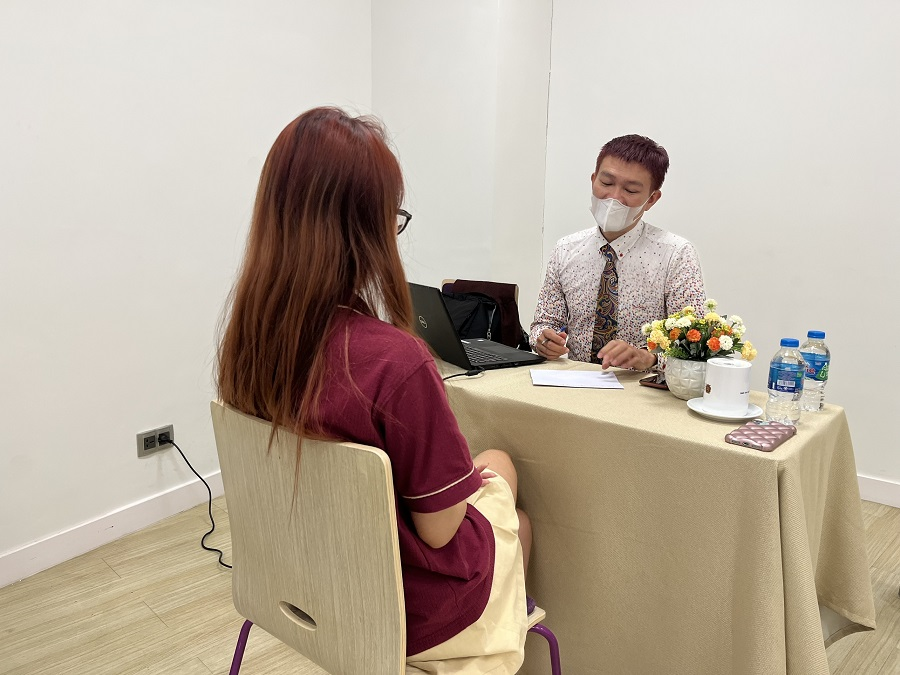
Vietnam Australia International School (VAS) focuses on developing life skills for 2-year-olds
At Vietnam Australia International School (VAS), teaching life skills to 2-year-olds is considered an important part of a well-rounded preschool education.
VAS combines the Vietnamese National Education Programme with Cambridge international education. The program not only provides children with an academic foundation but also focuses on developing essential life skills.
In a safe learning environment that encourages independence and initiative, children practise skills such as self-reliance, communication, and creative thinking from an early age. These activities reflect VAS’s broader approach to developing essential life skills across different age groups.
VAS teachers receive professional training to support children’s well-rounded development in both academic learning and life skills.
Through its educational approach and close cooperation with parents, VAS supports children in becoming more confident, independent, and better prepared for future challenges.
>>> Read more: Detailed updates on the current VAS international school tuition fee schedule
Conclusion
Teaching life skills to 2-year-olds is an important first step toward their well-rounded development. The information and methods discussed above can help parents better support their children’s growth.
Schools and parents can work together to create a supportive environment for children’s learning and development. This collaboration can help children make progress while gradually building confidence, independence, and positive everyday habits.
To learn more about the curriculum and life-skills development approaches at VAS, please contact the hotline at 0911 26 77 55 or visit www.vas.edu.vn for further information.
>>> Read more: Teaching life skills to 5-year-olds: Top 16 essential skills for children