


The Latest Preschool Education Program: What Parents and Teachers Should Know in 2026
- How does the latest preschool education program differ from the traditional program?
- What can parents do to support children in the latest preschool education program?
- What do teachers need to implement the new program effectively?
- International-standard preschool education program at VAS
-
Frequently asked questions about the new preschool education program
- 5.1 Does the new preschool education program put pressure on children?
- 5.2 Can parents participate in their child’s learning process?
- 5.3 Do teachers receive training on the new program?
- 5.4 What do children need to prepare before starting the new program?
- 5.5 Does the program teach life skills and social-emotional skills?
- Conclusion
In recent years, early childhood education in Vietnam has undergone significant changes to keep pace with modern education trends and international collaboration.
In 2026, the Ministry of Education and Training continues to implement the current preschool education program, with a stronger focus on developing children’s skills, creative thinking, and social-emotional abilities rather than focusing primarily on foundational knowledge.
This article explores the key differences of the new program, how parents can effectively support their children’s learning, and what teachers should keep in mind when implementing it.
1. How does the latest preschool education program differ from the traditional program?
To help parents and teachers understand the program, let’s first look at its key changes. These changes aim to support children’s cognitive development and essential life skills.
Key changes in the current preschool education program
- More learning through play: Children gain knowledge through hands-on and experiential activities instead of passive learning.
- Greater focus on social-emotional skills: Children practice communication, cooperation, sharing, and conflict resolution.
- More diverse educational approaches: The program incorporates international models such as Reggio Emilia, Montessori, and EYFS.
- Greater emphasis on bilingual exposure: Children are introduced to English early through games, music, and communication activities.
- Technology integration: Some learning activities use digital tools to help children become familiar with technology from an early age.
Quick comparison table:
|
Criteria |
Traditional program |
New 2026 program |
|
Teaching method |
Mainly follows fixed patterns and memorization |
Learning through play and real-life experiences |
|
Goal |
Foundational knowledge |
Well-rounded cognitive, emotional, and skill development |
|
Teacher’s role |
Knowledge provider |
Facilitator and learning guide |
|
Language |
Mainly Vietnamese |
Vietnamese-English bilingual exposure from preschool age |
|
Technology |
Limited use |
Digital tools begin to support learning |
|
Life skills |
Given limited attention |
Integrated into daily activities |
2. What can parents do to support children in the latest preschool education program?
The new program changes the role of teachers and requires close cooperation from parents. Providing the right support can help children adapt more quickly and learn more effectively.
2.1. Understand the current preschool education approach
Parents can learn more about the program’s educational philosophy, methods, and implementation.
This helps parents avoid unrealistic expectations and work more effectively with teachers to develop children’s habits and skills.
2.2. Create an experiential learning environment at home
In addition to learning at school, parents can create simple learning experiences at home, such as:
- Cooking together
- Taking care of plants
- Playing role-play games
These activities allow children to learn through play while developing creative and problem-solving skills.
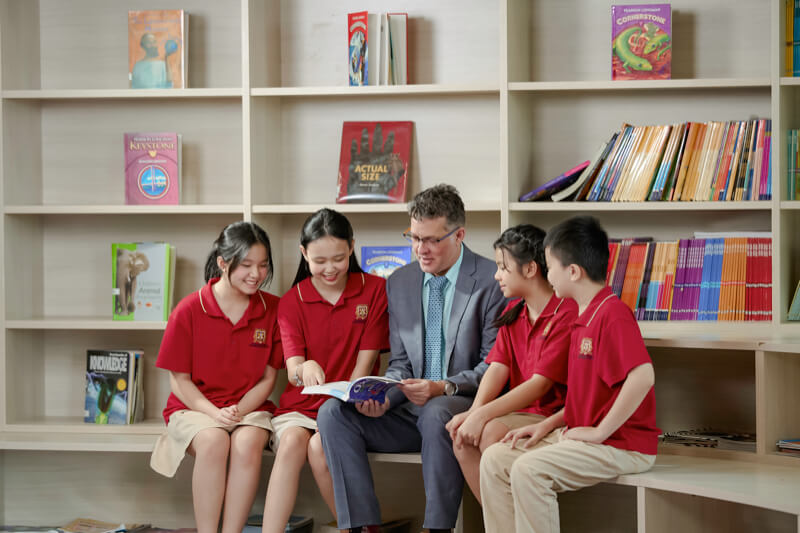
Parents can turn every corner of the house into a creative learning space for their children
2.3. Communicate regularly with your child and their teachers
Listening to and talking with children every day helps parents better understand their emotions, interests, and difficulties.
Parents should also communicate regularly with teachers so that parents and teachers can make timely adjustments to support the child’s learning and development.
3. What do teachers need to implement the new program effectively?
While parents support children at home, teachers are responsible for guiding them and implementing the program at school.
Under the new 2026 preschool education program, teachers’ roles have become broader and more flexible. This requires teachers to keep their knowledge up to date and become proficient in modern teaching methods.
3.1. Update teaching methods
Teachers should regularly attend training sessions and seminars to stay informed about new educational trends.
Understanding and applying approaches such as Montessori, Reggio Emilia, and EYFS appropriately can make lessons more engaging and help each child develop their abilities.
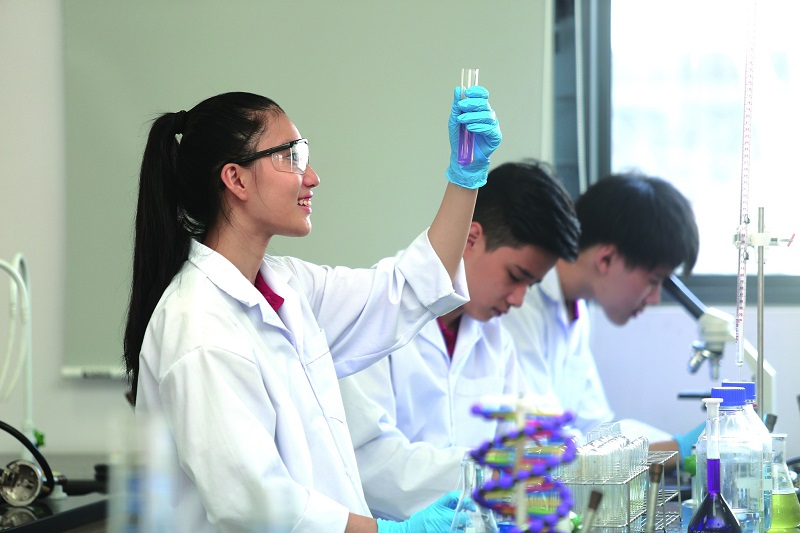
Teachers should update their teaching methods to create lively lessons that help children develop their abilities
3.2. Develop a flexible teaching plan
Unlike previous programs that mainly followed a fixed framework, the new program encourages teachers to design activities based on each child’s needs, interests, and abilities.
This can increase children’s engagement while giving teachers greater flexibility to adapt activities to their classroom context.3.3. Strengthen communication with parents
Teachers should regularly communicate with parents about each child’s progress, strengths, and difficulties.
Strong communication between families and schools helps create a consistent educational environment and supports children’s balanced development.
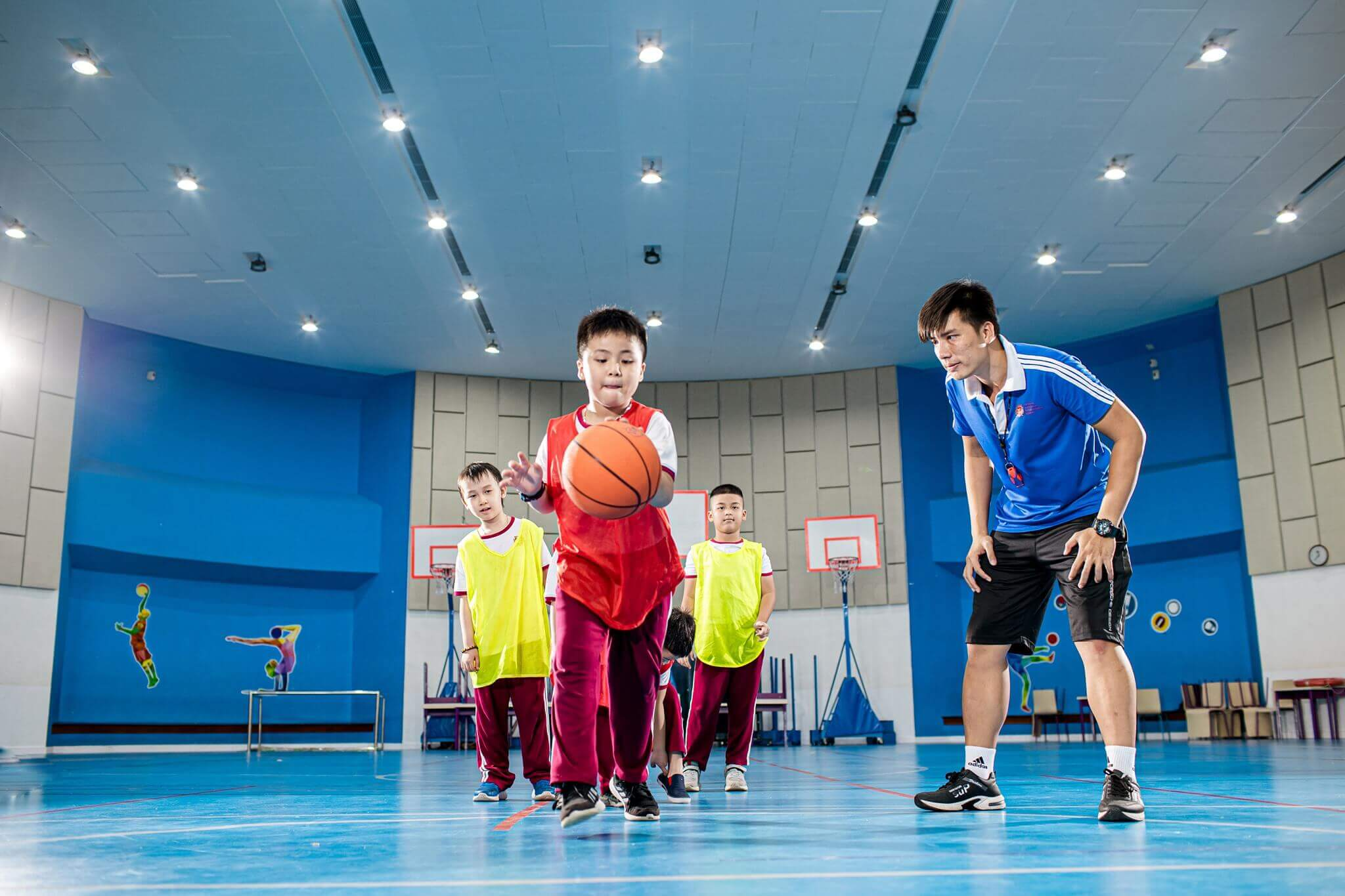
Regular communication between teachers and parents helps strengthen the connection between family and school
4. International-standard preschool education program at VAS
In addition to improved domestic education programs, many international schools in Vietnam, including the Vietnam Australia International School (VAS) system, offer preschool programs based on international standards.
These programs attract the interest of many parents because they combine a global educational outlook with a strong focus on each child’s individual development.
4.1. Children from 18 months old learn through play, interaction, and daily bilingual exposure
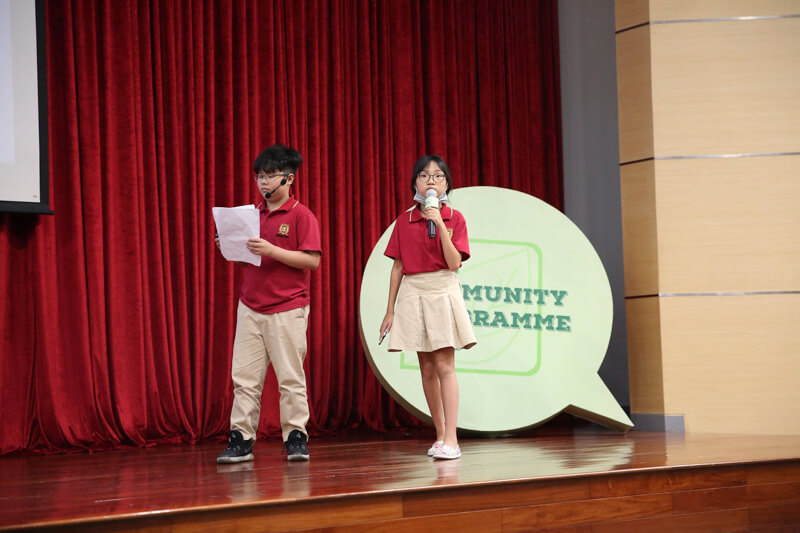
At VAS, children learn through play, group interaction, and daily bilingual exposure
From the age of 18 months, children at VAS learn through play, interaction, and hands-on experiences. They are encouraged to learn through play, participate in group activities, and use both Vietnamese and English in daily learning experiences.
4.2. Combining international approaches: Reggio Emilia, EYFS, and Cambridge Early Years
VAS applies an integrated model that draws on several internationally recognized educational approaches:
- Reggio Emilia: Encourages children’s creativity and freedom to explore.
- EYFS from the UK: Emphasizes personal, social, and emotional development.
- Cambridge Early Years: Builds a strong academic foundation and supports progression to later stages of education.
This combination helps balance the development of soft skills, social-emotional abilities, and academic knowledge.
4.3. Teachers receive in-depth training and regular program updates
VAS provides its teachers with regular professional development courses to help them understand international teaching methods.
Ongoing training helps teachers apply these methods more confidently in the classroom and provide students with a high-quality learning experience.
>>> Read more: VAS Tuition Fees for the 2026–2027 Academic Year
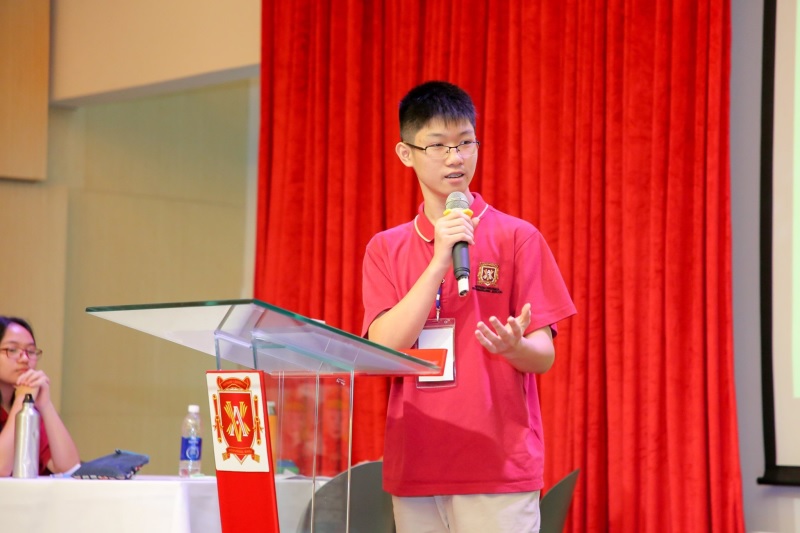
VAS teachers receive in-depth training and regular updates on international teaching methods
5. Frequently asked questions about the new preschool education program
When a new education program is introduced, parents may have questions about its effectiveness, suitability, and whether it creates pressure for children. Below are some common questions and answers.
5.1. Does the new preschool education program put pressure on children?
No. One of the key features of the new program is its focus on reducing pressure and creating a natural learning environment.
Children learn through play and hands-on experiences instead of passive instruction. Activities are designed to suit their age, helping them learn in an age-appropriate and engaging way.
5.2. Can parents participate in their child’s learning process?
Yes. The new program encourages close cooperation between schools and parents.
Parents can attend class meetings, participate in experiential activities with their children, or help them practise skills at home based on guidance from teachers.
5.3. Do teachers receive training on the new program?
Yes. The Ministry of Education and Training and international schools regularly organize training sessions to help teachers understand the program’s philosophy, methods, and implementation.
This helps teachers apply creative and effective teaching activities with greater confidence.
5.4. What do children need to prepare before starting the new program?
Children do not need to learn academic knowledge in advance. Instead, they can gradually develop several basic skills, including:
- Independence in daily routines
- Simple communication skills
- Curiosity
- An willingness to learn
These skills provide a foundation that helps children adapt more easily to the new learning environment.
5.5. Does the program teach life skills and social-emotional skills?
Yes. This is one of the program’s key focuses.
Children learn how to manage their emotions, work in groups, share with friends, and resolve conflicts. These skills support their long-term development.
Conclusion
The current preschool education program in 2026 introduces several positive changes aimed at supporting children’s well-rounded cognitive, emotional, and life-skill development. Through experiential learning, bilingual exposure, and strong collaboration between families and schools, children have more opportunities to develop their potential during the early years.
For the program to be effective, parents need to support their children, teachers need to continue improving their methods, and schools need to provide a modern learning environment with an international outlook. When these three elements work together, children can build a strong foundation for the future.
Parents interested in the international education programs at VAS can contact the hotline at 0911 26 77 55 or visit www.vas.edu.vn for further information.
>>> Read more:
Top 13 high-quality international preschools in Ho Chi Minh City